How to Care for Your Gums at Home
Keeping your gums clean is one of the most reliable ways to protect your oral health. Healthy gums support the bone and tissue that hold your teeth in place and help maintain balance in the mouth's natural environment, an important part of overall well-being.

Why Gum Cleaning Matters
Your gums act as a protective barrier, sealing out bacteria and supporting the bone and tissue that keep your teeth stable. When plaque collects along the gumline, that barrier becomes irritated, leading to redness, swelling, or bleeding — early signs that inflammation is beginning.
Regular gum cleaning removes plaque before it matures and hardens into tartar, keeping the gums firm and healthy. However, if buildup extends below the surface, your dental professional may recommend a deeper cleaning to restore balance and allow the tissue to heal.
Preventive care is what keeps that healing process from becoming necessary in the first place. Consistent, thorough cleaning — especially below the gumline and between the teeth — stops bacterial growth before it can cause irritation or damage. Daily attention to these areas is the most reliable way to protect your gums and maintain long-term oral health. The next section outlines how to build these practices into your everyday oral care routine.
Read our complete guide to deep cleaning teeth to learn how professional and at-home care work together to keep gums healthy.
Daily Gum Cleaning Habits
Healthy gums stay that way through steady, gentle care. With the right tools and technique, these small daily steps become an easy routine that protects gum health over time.
Cleaning between the teeth
To reach the areas a toothbrush can't, add interdental cleaning to your routine at least once a day. Move the tool gently between teeth without forcing it, cleaning each space with a few smooth in-and-out motions.
Recommended tools:
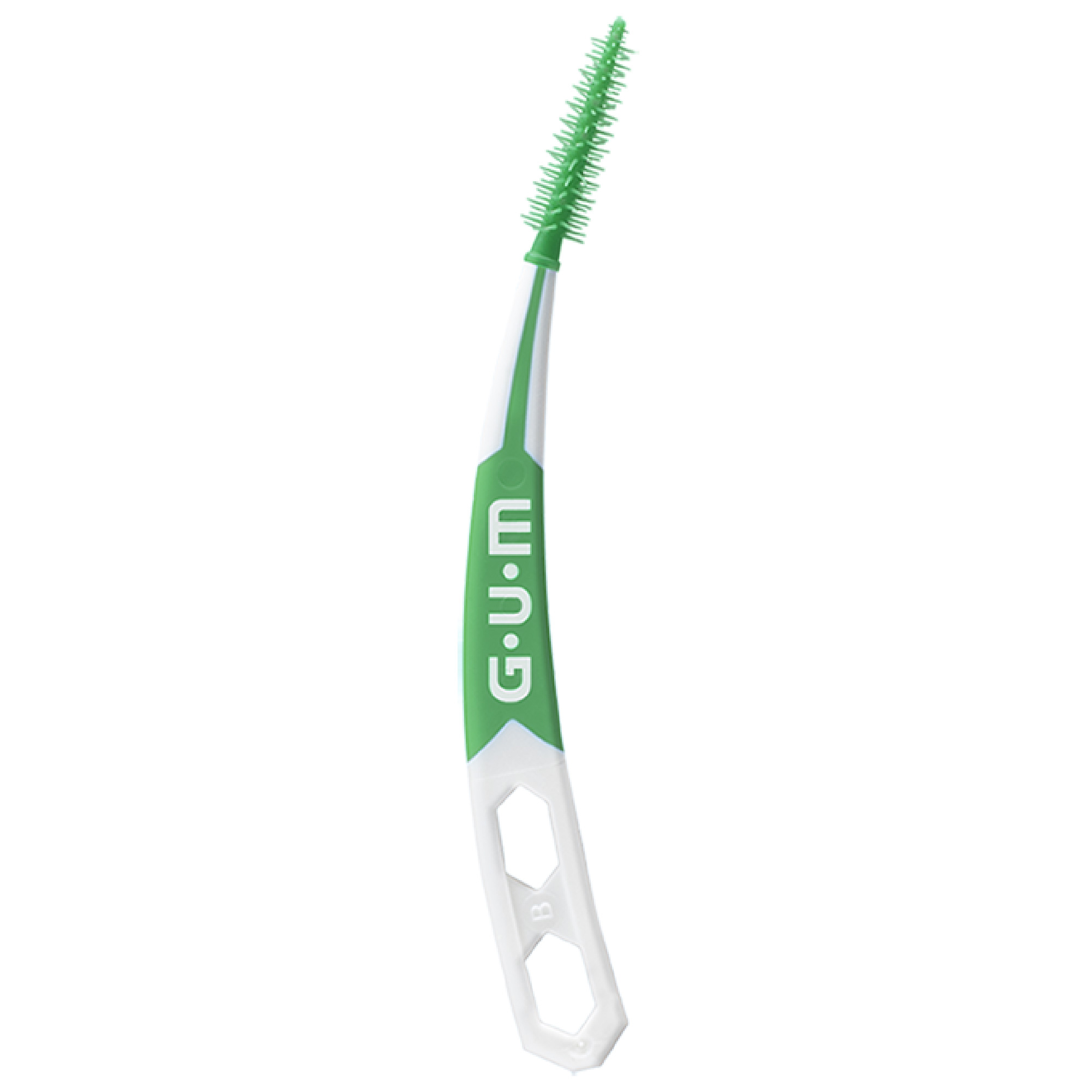
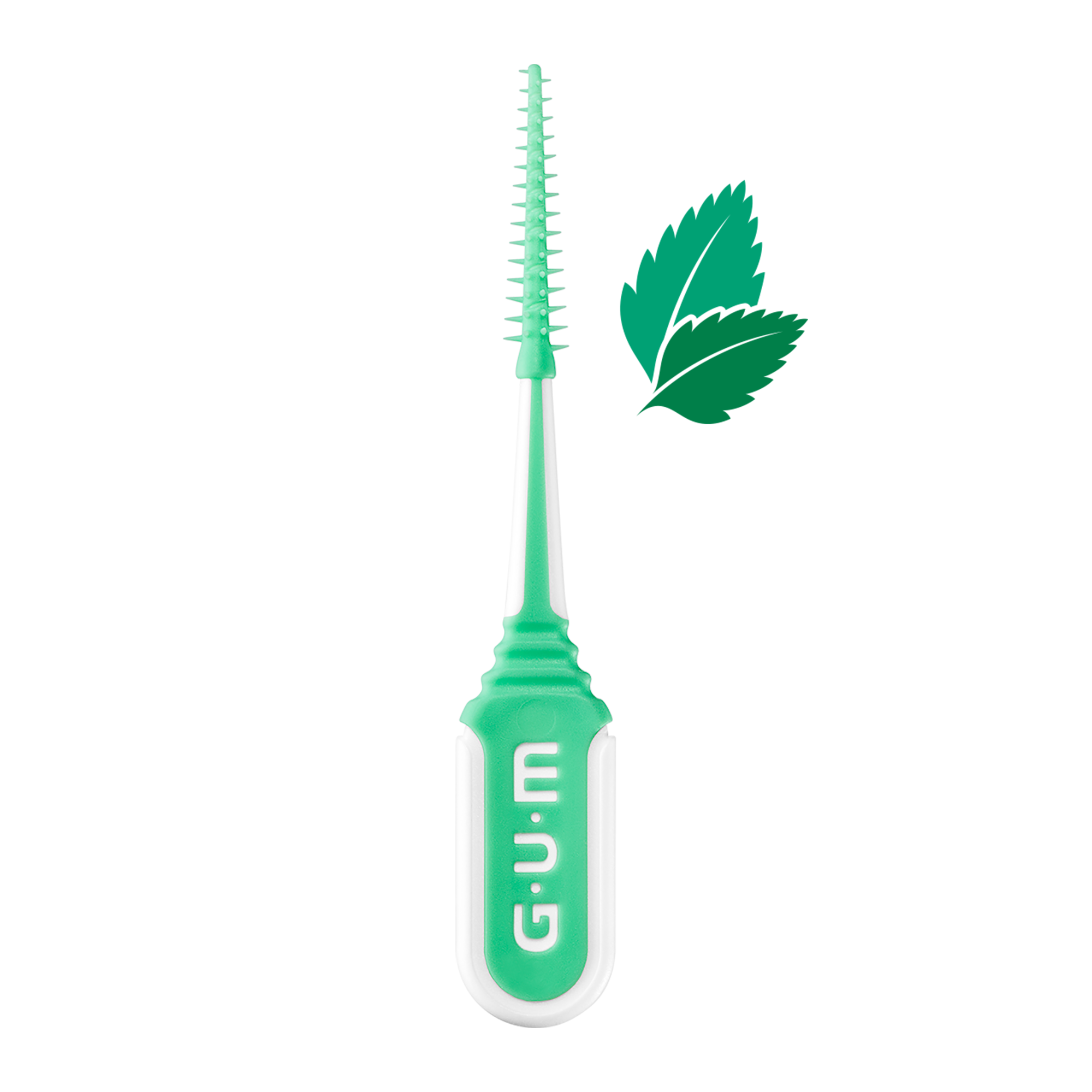
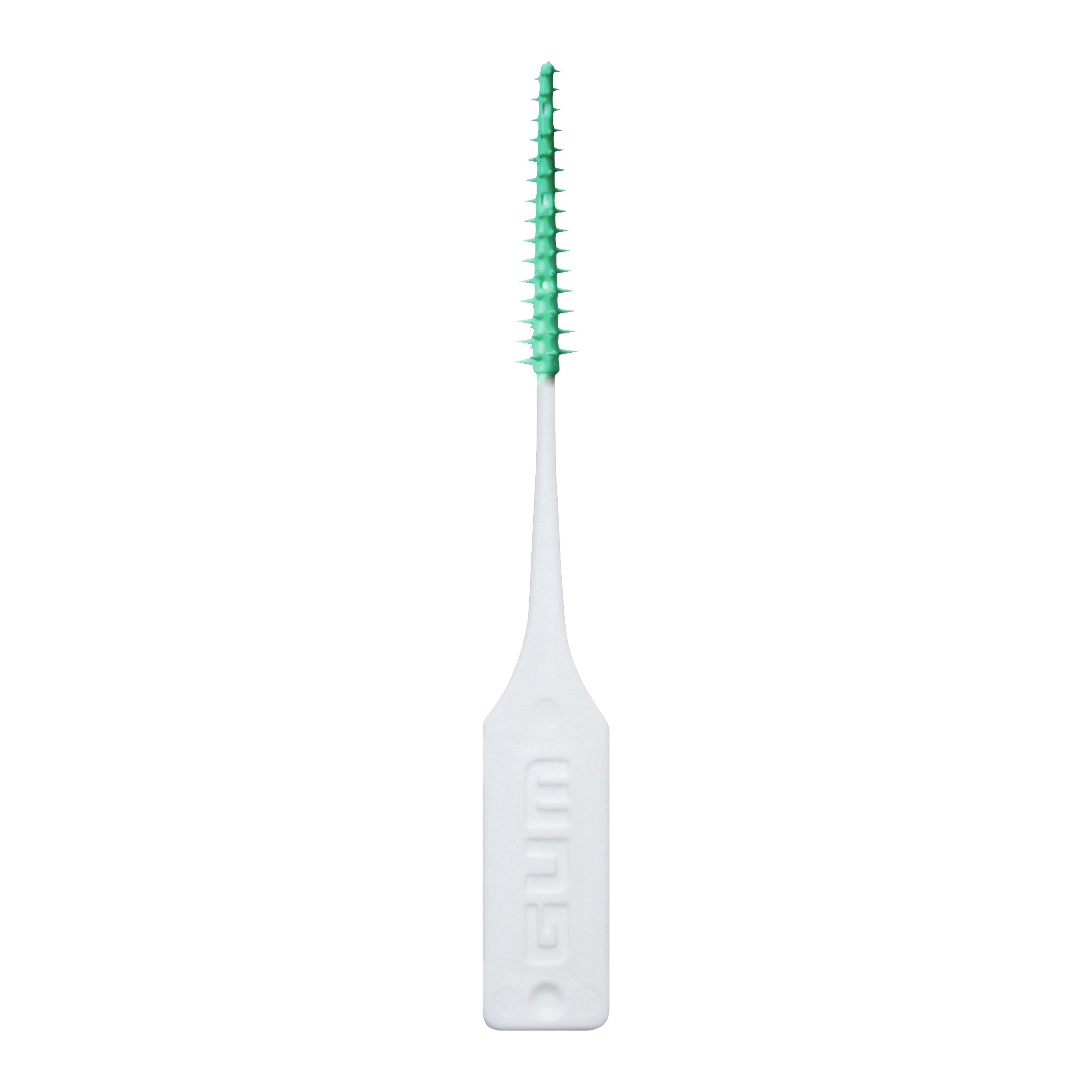
- GUM® Rubber Picks — Flexible tips for gentle daily cleaning.
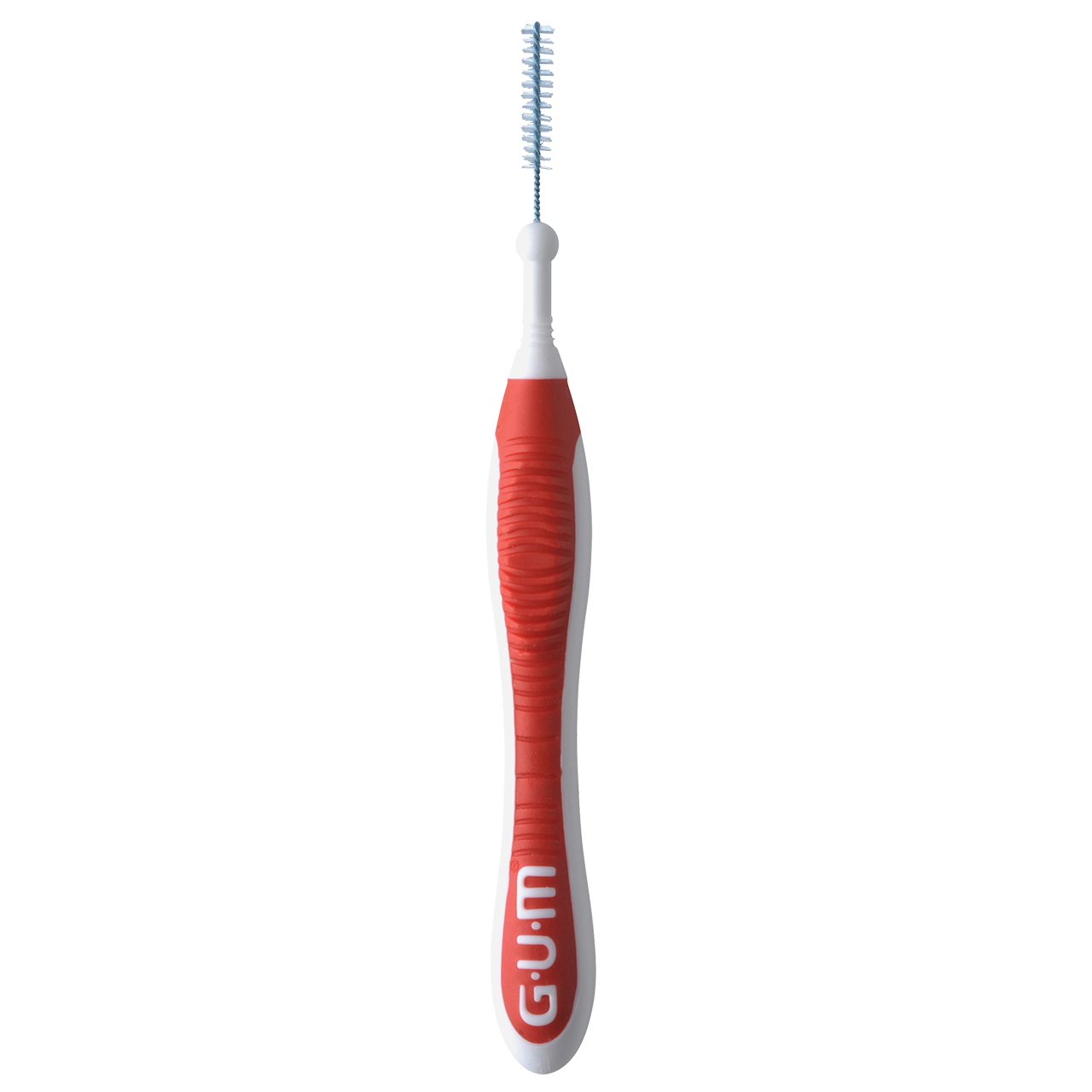
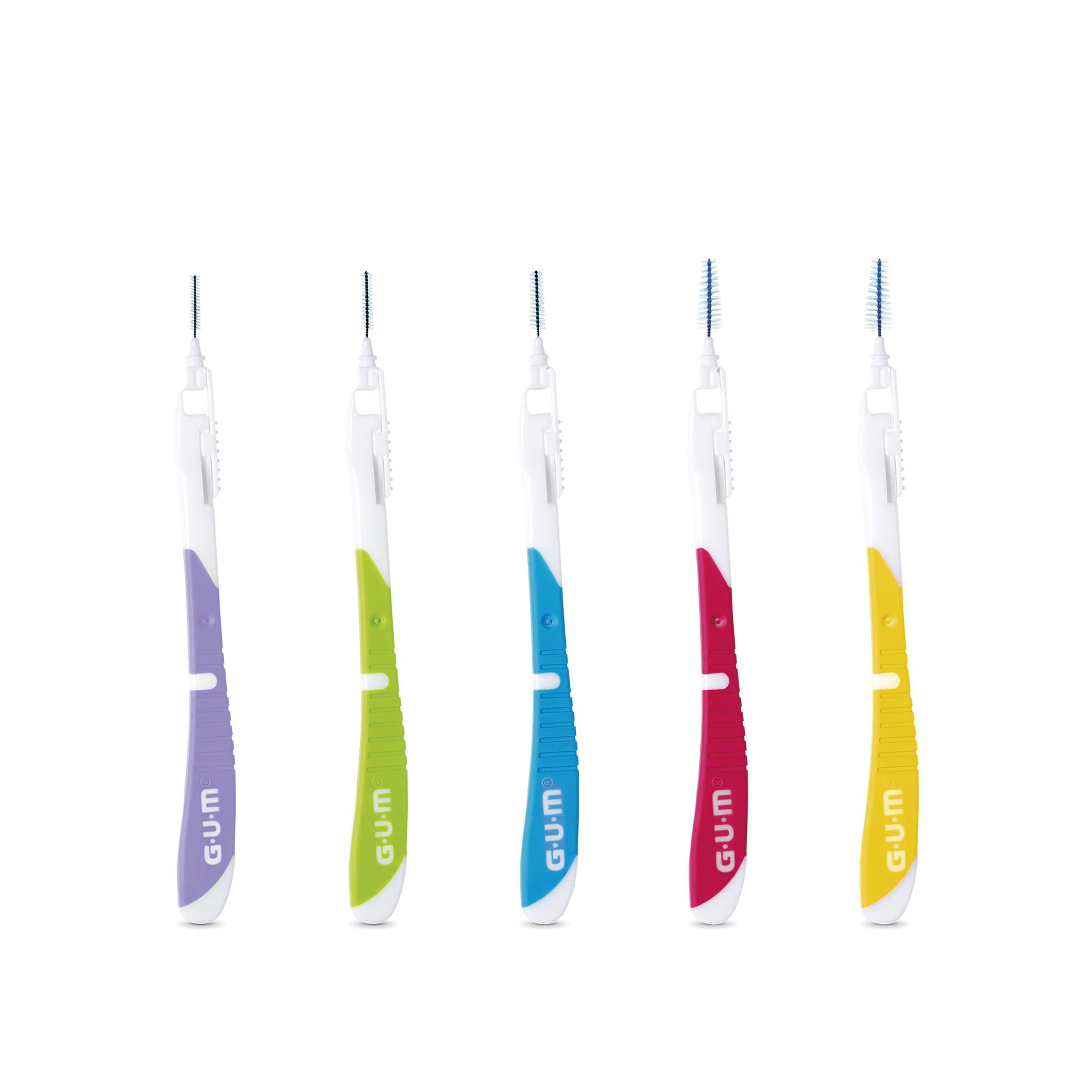
- GUM Interdental Brushes — Ideal for wider gaps or orthodontic appliances.
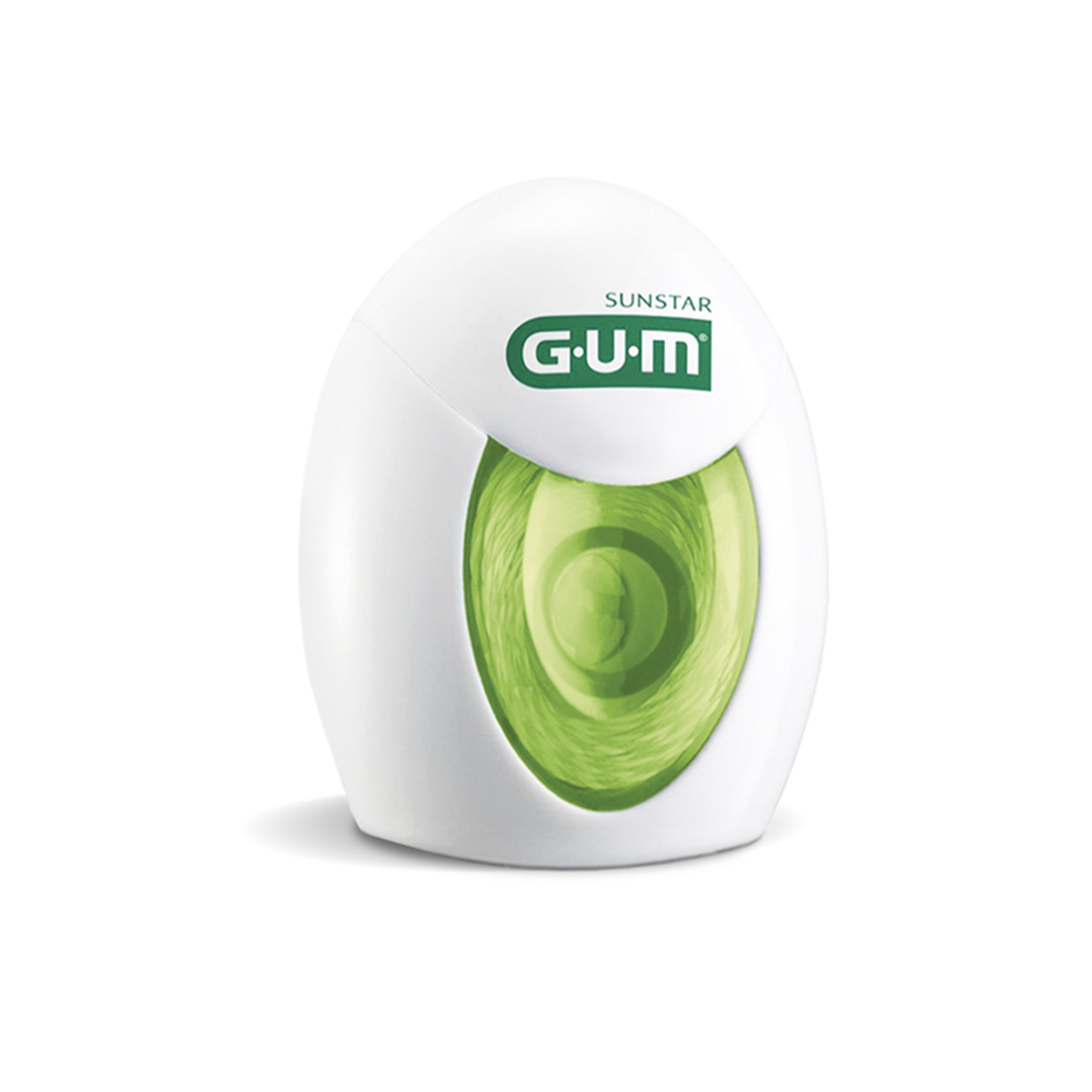
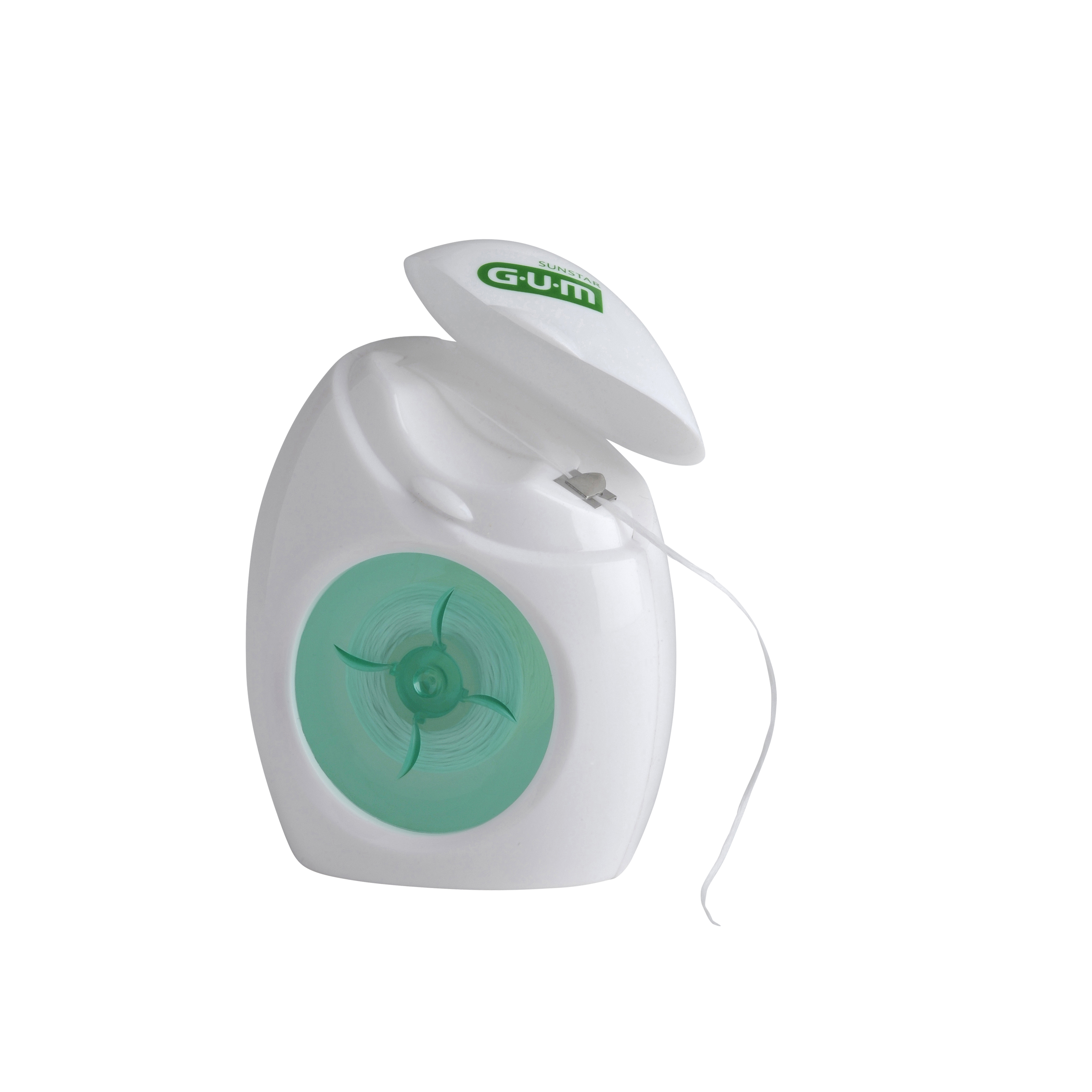
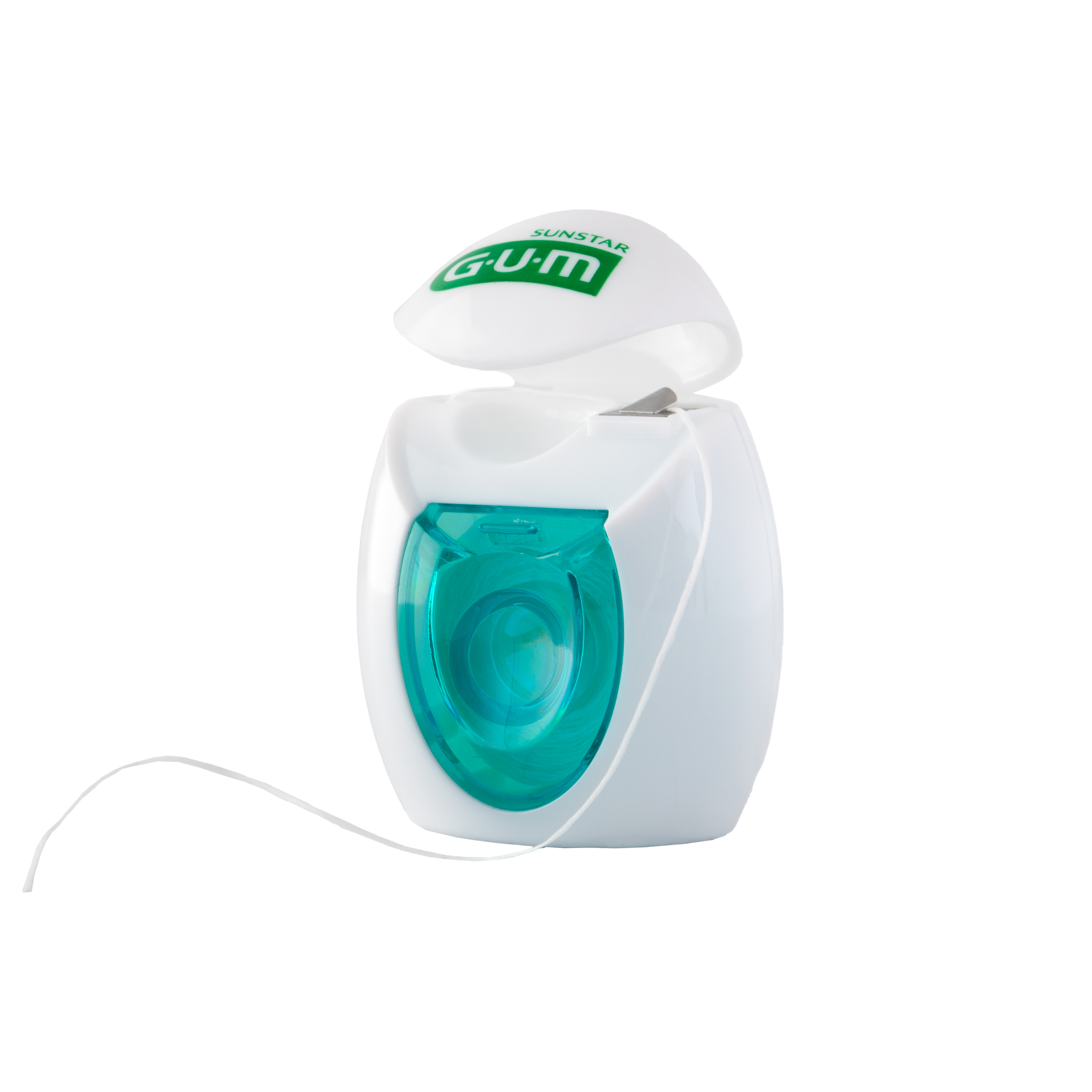
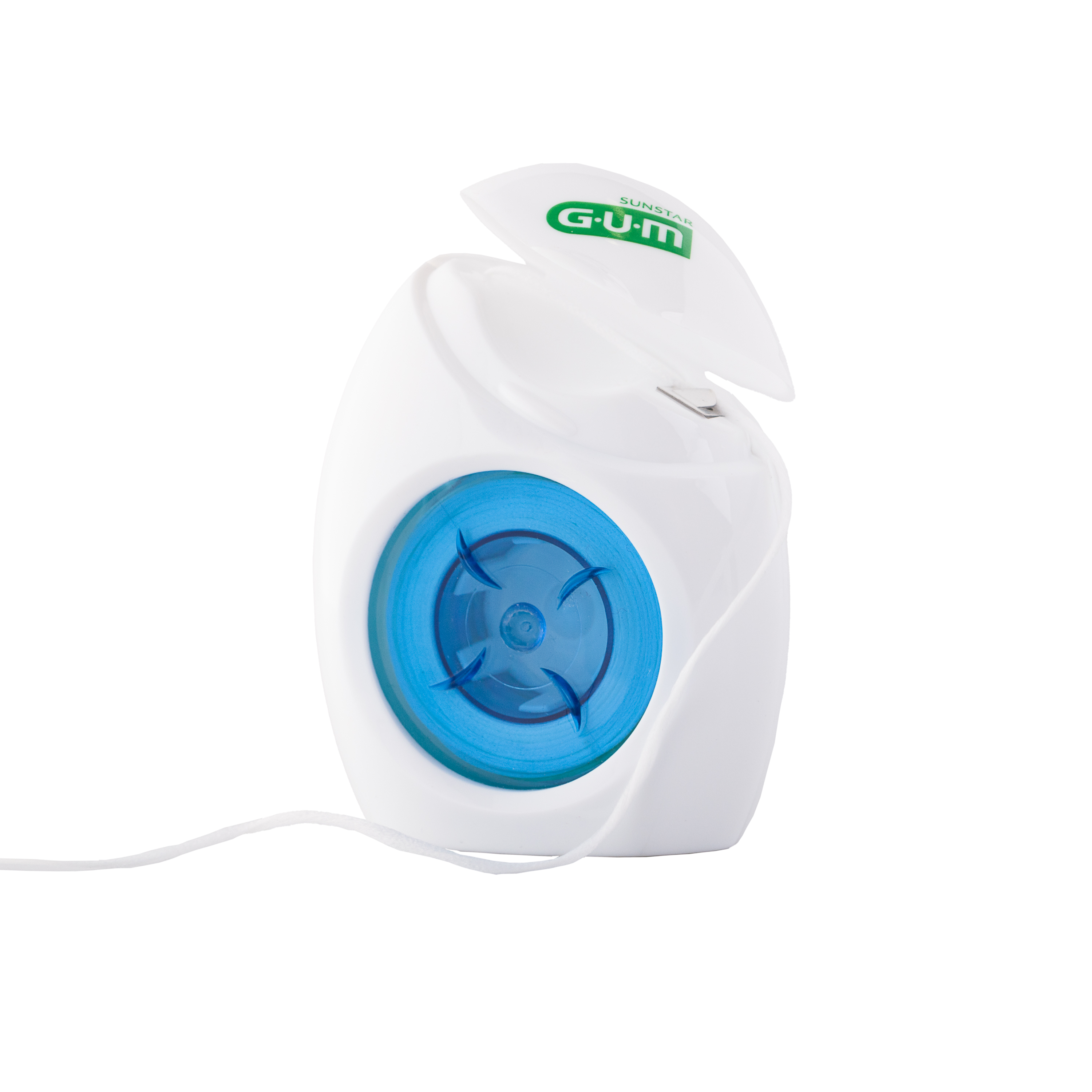
- GUM Flossers — Effective for tighter spaces or quick cleaning on the go.
Learn more about why and how should I clean between my teeth, or watch the video below.
Brushing along the gumline
Hold your toothbrush at a 45-degree angle toward the gumline and use light, circular motions. This position lets the bristles sweep just beneath the gum edge, where bacteria collect most easily. Brush for at least two minutes, twice daily, ensuring you brush all sides of each tooth.
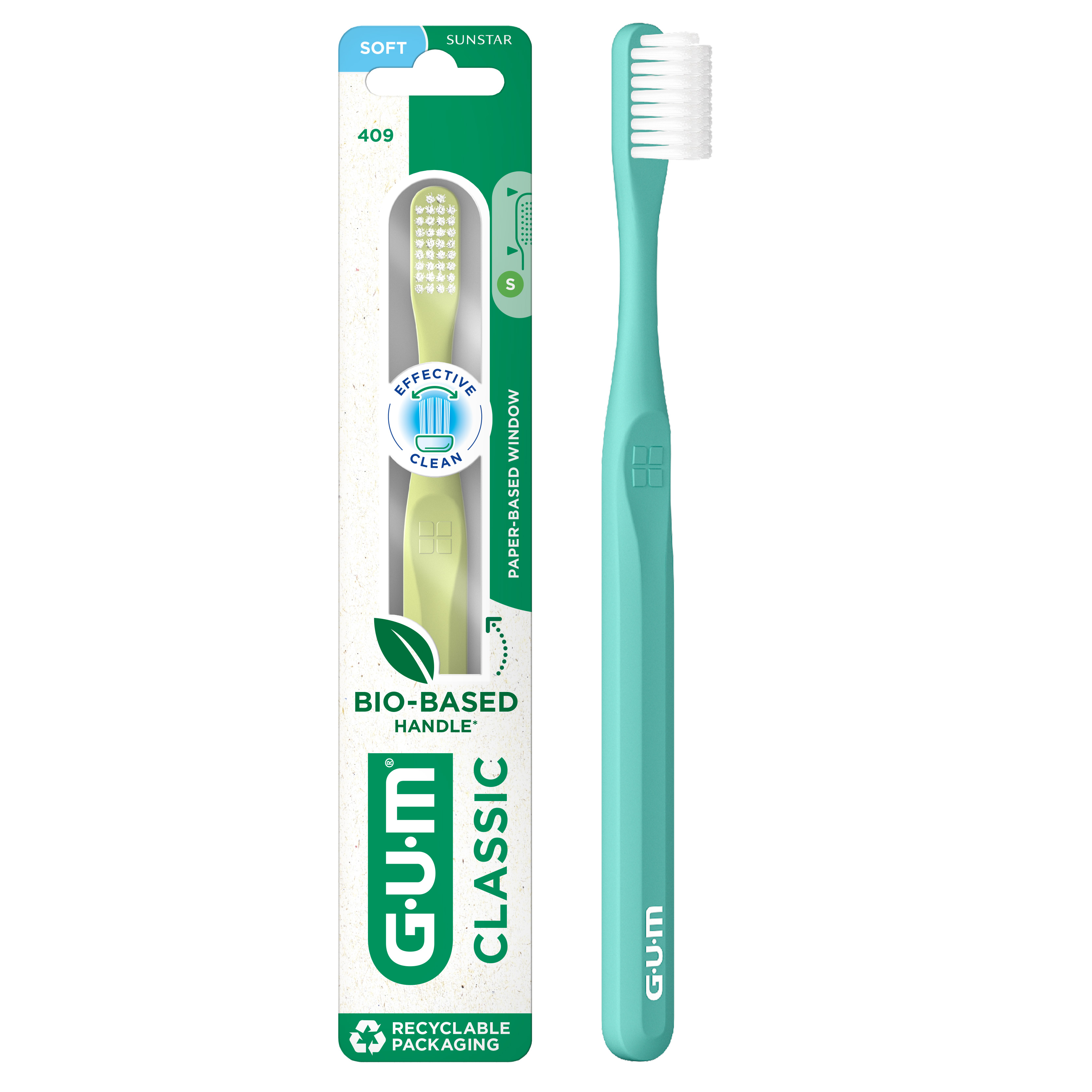
Soft, flexible bristles are important for sweeping debris and clearing plaque at the gumline. They adapt to the shape of your teeth and gums, helping you clean thoroughly without irritation or abrasion.
Recommended tools:
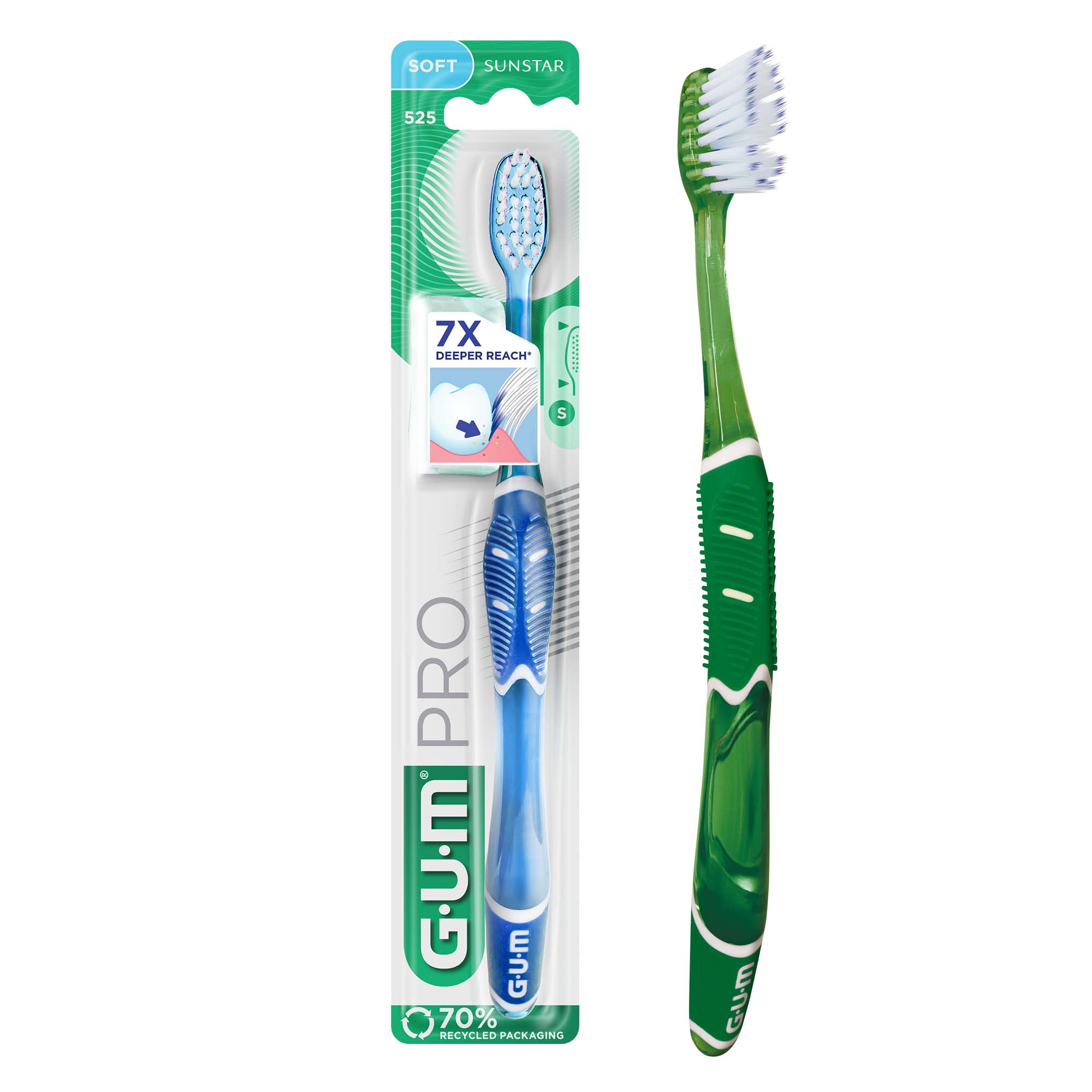
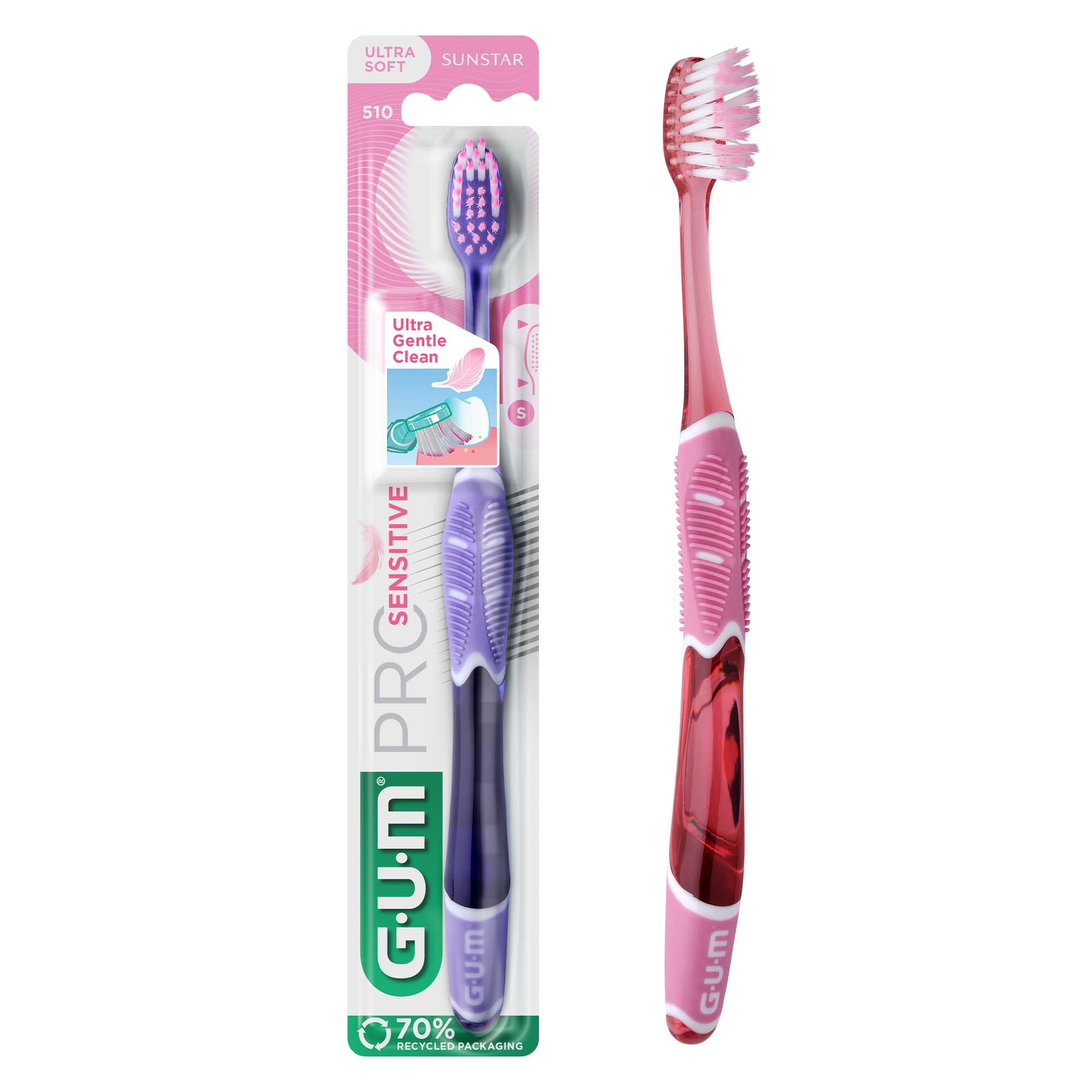
- GUM PRO Toothbrush — Soft, tapered bristles designed to reach below the gumline.
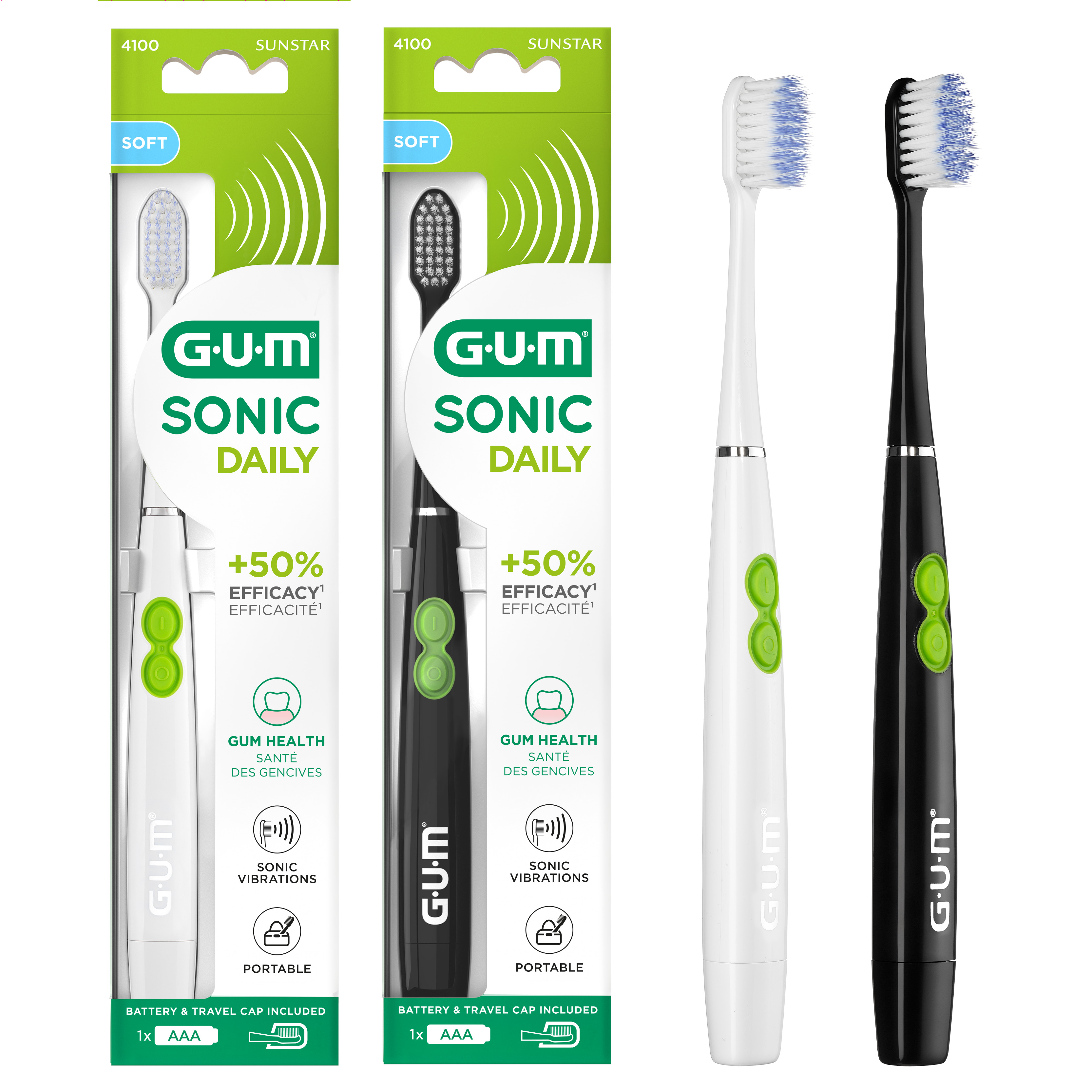
- GUM SONIC DAILY Electric Toothbrush — Designed for comfort and precise control during daily use.
Learn more about different brushing techniques & the right toothbrush for each or watch the video below.
Supporting habits for healthy gums
Consistent gum cleaning works best when supported by healthy daily habits:
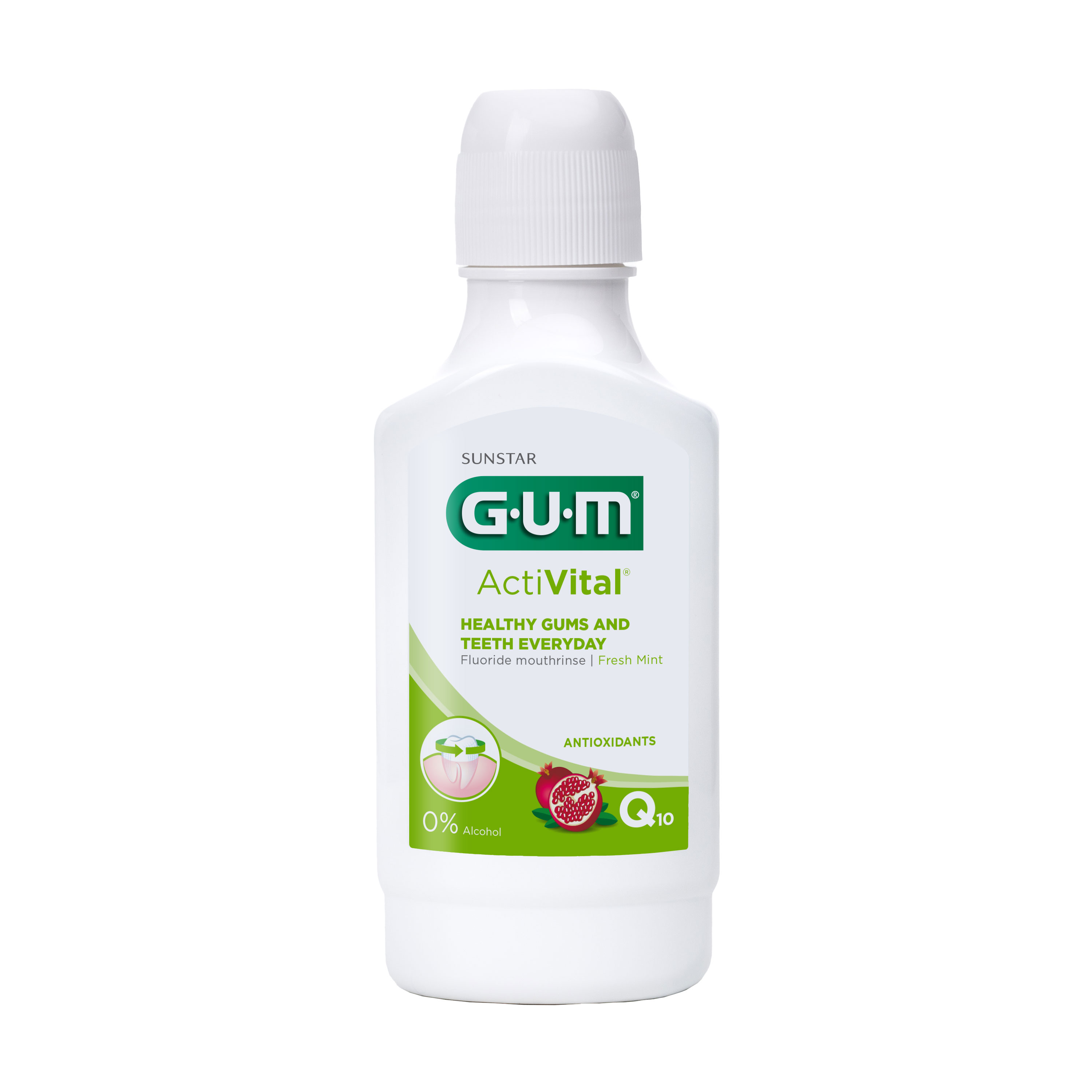
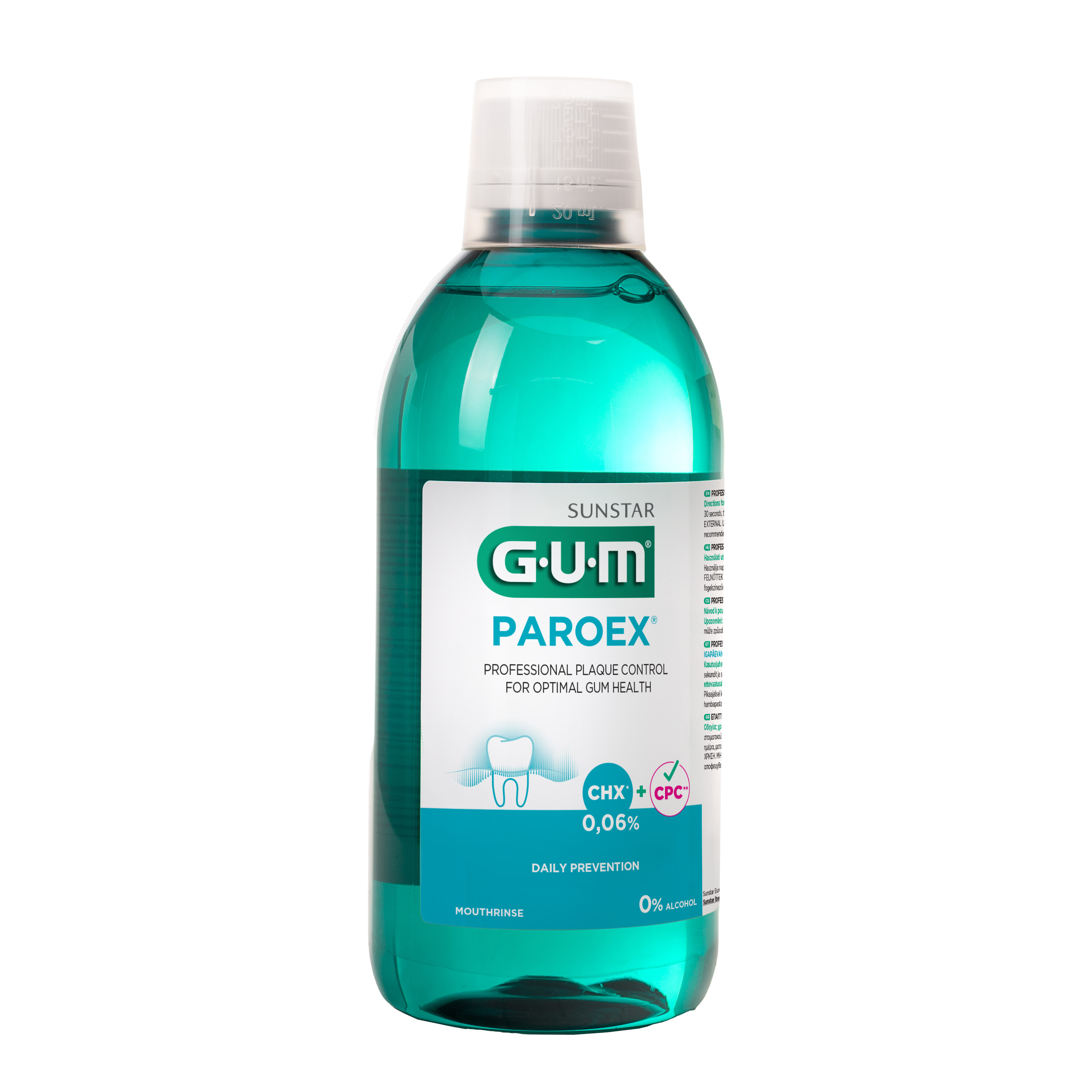
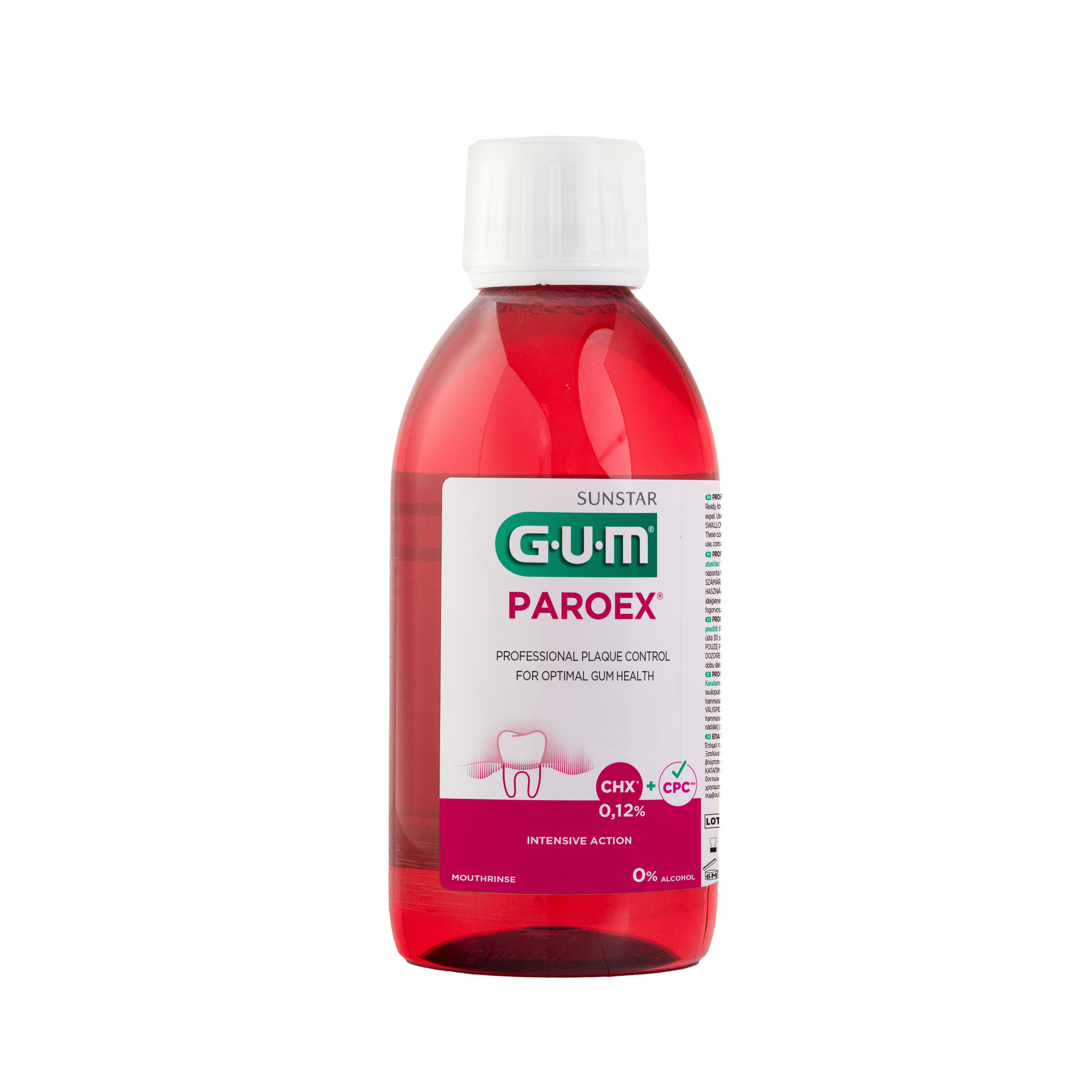
- Rinse: Use a fluoride rinse after cleaning to help control bacteria. It is recommended to rinse at a different time than right after your brushing routine, as otherwise the rinse washes away the fluoride from the toothpaste, diminishing its protective effect. Antimicrobial mouthwash can also support healthy gums, but they are usually only recommended for a short period of time, under the supervision of a dental professional.
- Stay hydrated: Saliva protects gums naturally. Drink water throughout the day to avoid drying out.
- Eat for oral health: Nutrients like vitamins C and D and antioxidants strengthen gum tissue.
- Avoid tobacco and manage stress: Both can slow healing and increase inflammation.
Small, repeatable habits like these help keep gums resilient and reduce the likelihood of needing professional treatment later on.
Step-by-step daily cleaning routine
Gum health depends on consistency. Putting the above advice into practice is easier when you have a standard routine to follow. The following simple sequence can help you turn daily cleaning into an easy, repeatable habit that protects your gums long term.
1. Interdental cleaning first
Start by using your preferred interdental tool to remove plaque and debris that your toothbrush cannot reach. This helps prepare the surfaces between the teeth for more effective brushing.
2. Brush your teeth
Brush for two full minutes, using a fluoridated toothpaste, paying special attention to where your teeth meet your gums. This step helps remove plaque and leaves a protective layer of fluoride on the teeth.
3. Finish with rinsing
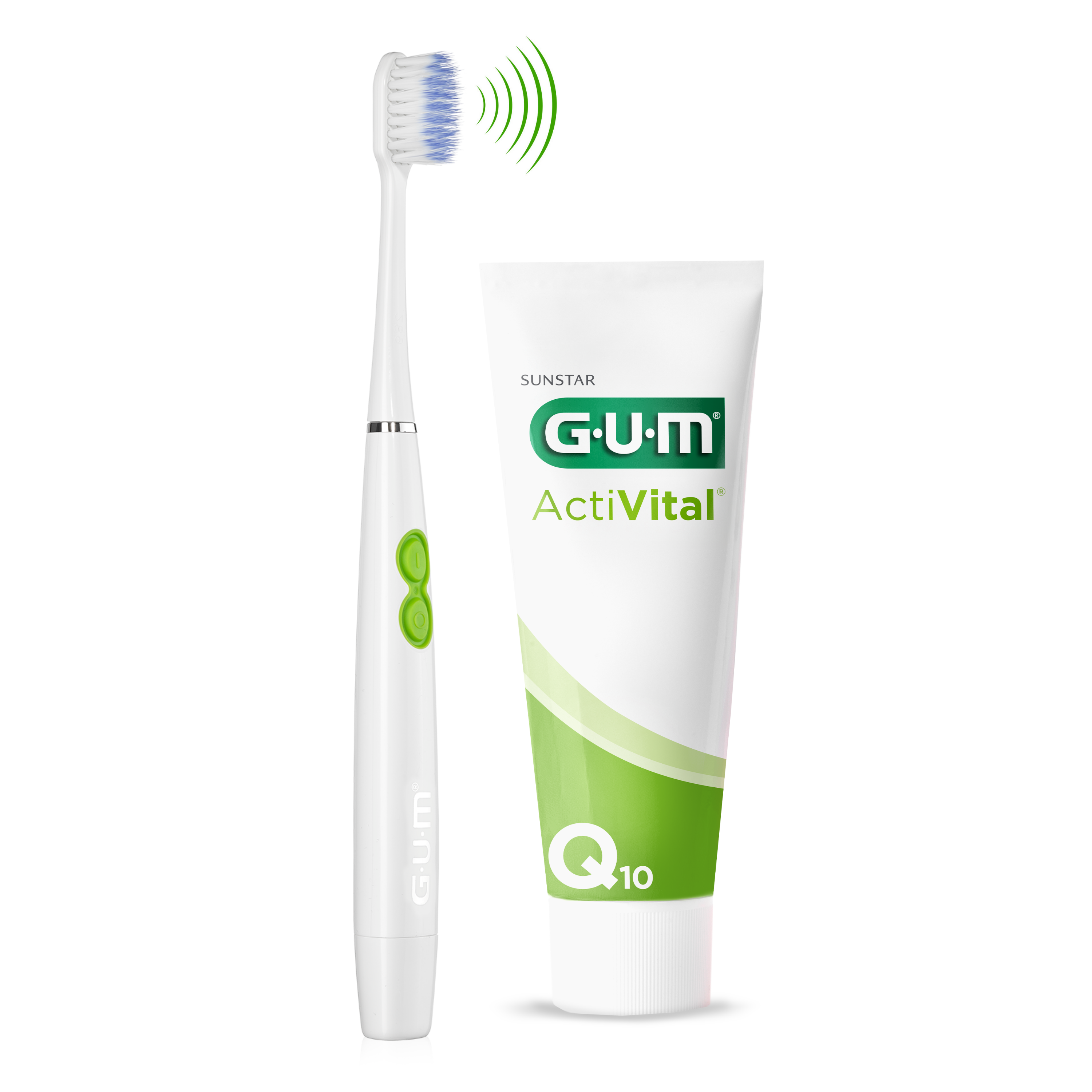
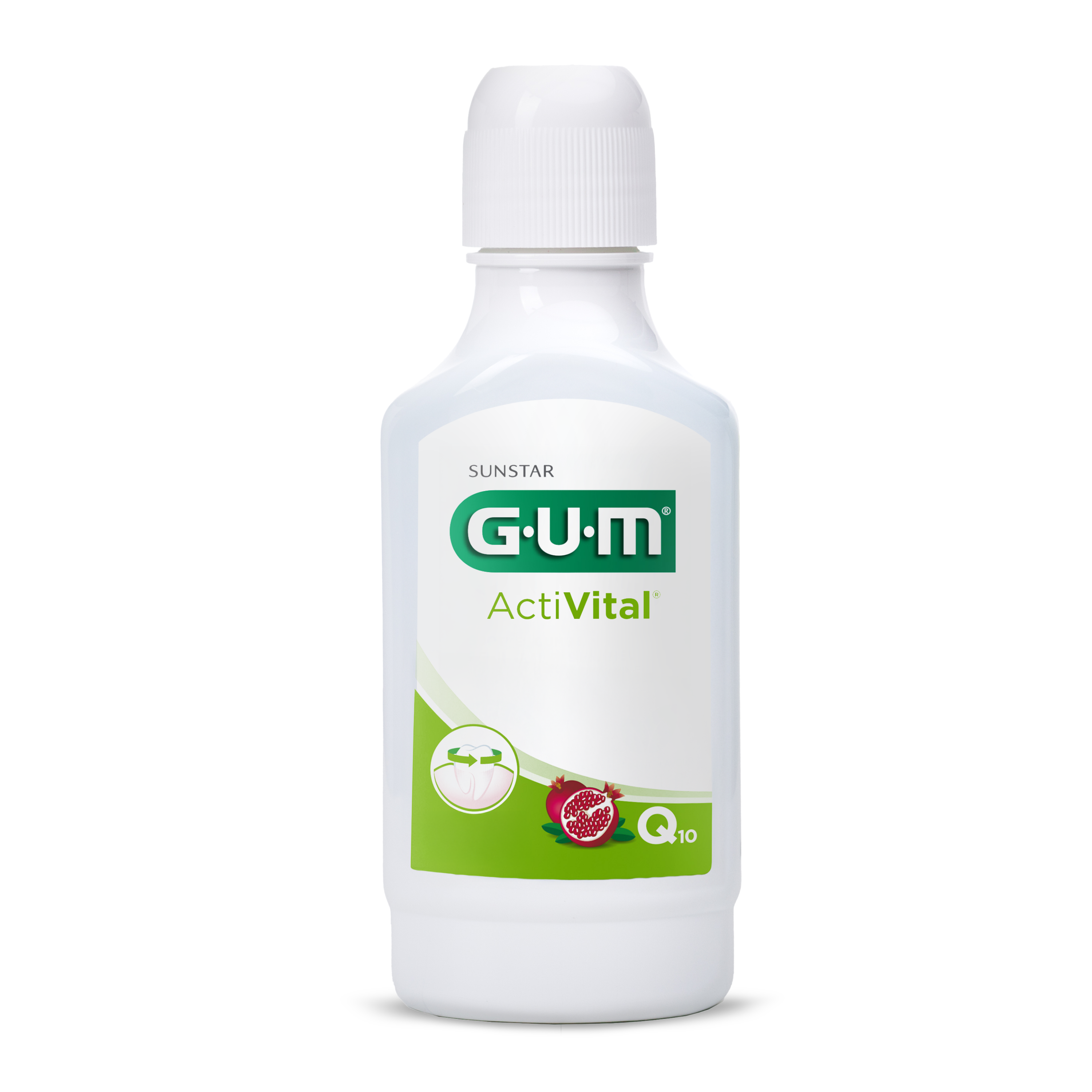
If you use a mouthwash, it can help refresh the mouth and reduce bacteria. However, fluoride mouthwash should not be used immediately after brushing, as rinsing straight away can wash away the fluoride from the toothpaste, reducing its protective effect on the teeth. For this reason, fluoride mouthwash is best used at a different time of day. Antimicrobial mouthwash can also support gum health, but it is generally recommended only for short-term use and under the supervision of a dental professional.

4. Check in with your gums
Notice how your gums look and feel. Healthy gums should appear pink and feel firm, without bleeding during cleaning.
Repeat this routine every day. Most gum issues begin when daily care slips, so keeping a steady rhythm is your best prevention. And remember: Even with great home care, professional cleanings and exams are essential. They help remove any buildup you can't reach at home and catch early signs of inflammation.
Prevention Begins at Home
Healthy gums start with daily care. Consistent cleaning at and between the gumline helps stop inflammation before it begins and keeps the tissue that supports your teeth strong.
If you notice bleeding, swelling, or bad breath that doesn't improve with regular care, your dental professional can evaluate whether buildup has formed below the surface. Professional treatment helps restore balance and works best when paired with steady, thorough cleaning at home.
Gum cleaning is a simple, mindful habit that supports not only your oral health but your overall well-being. With the right tools, it becomes an easy part of your routine.
Explore the GUM range of toothbrushes, interdental brushes, and flossers designed to make gum cleaning simple and effective every day.