

May 06, 2026
- minute readminutes read
The Complete Guide to Deep Cleaning Teeth
Oral health plays a vital role in overall well-being.
The mouth is home to a diverse microbiome that influences the body's cardiovascular, metabolic, and immune systems.

When bacteria and plaque accumulate below the gumline, that balance can shift-leading to inflammation that affects both oral and systemic health.
"Deep cleaning" describes how dental professionals remove buildup below the gums, but it also points to a broader goal: keeping the mouth's natural ecosystem in balance through daily care.
This guide explains what deep cleaning involves, when it's needed, and how consistent at-home cleaning supports gum and systemic health. You'll also learn how professional treatment differs from home care and which tools can help protect your gums long term.
Why Gum Health Matters
Gum tissue forms a protective barrier between the mouth and the rest of the body. It shields underlying bone and connective tissue from bacterial invasion while helping maintain balance within the oral microbiome. When that barrier becomes inflamed or weakened, bacteria and their byproducts can enter the bloodstream and influence immune and metabolic responses throughout the body.
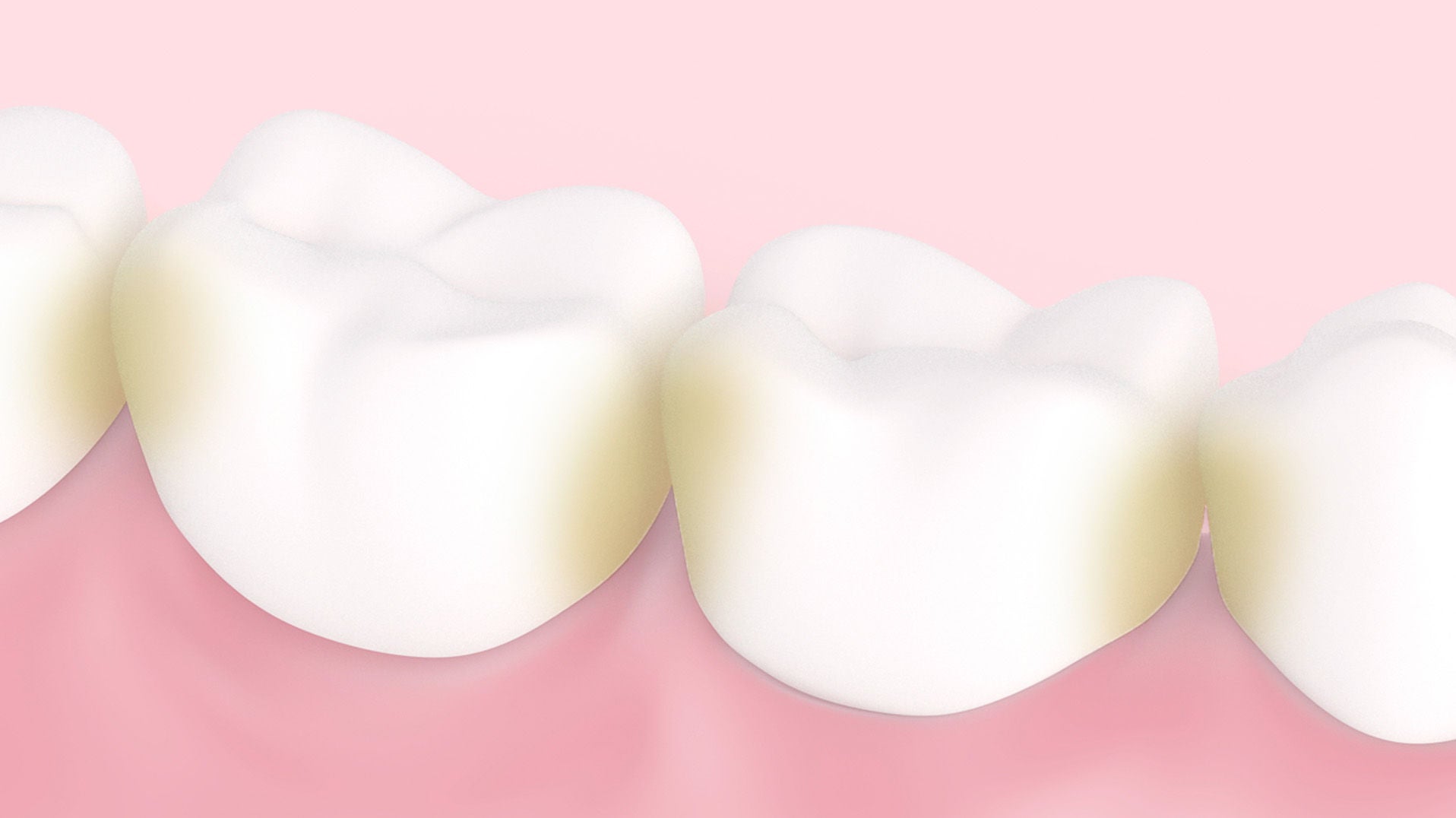
The health of this barrier depends on daily disruption of bacterial buildup, known as plaque. Plaque forms naturally and constantly, creating a thin biofilm on teeth and along the gumline. If it isn't removed through regular brushing and interdental cleaning, that biofilm begins to change in composition, favoring bacteria that drive inflammation and disease.
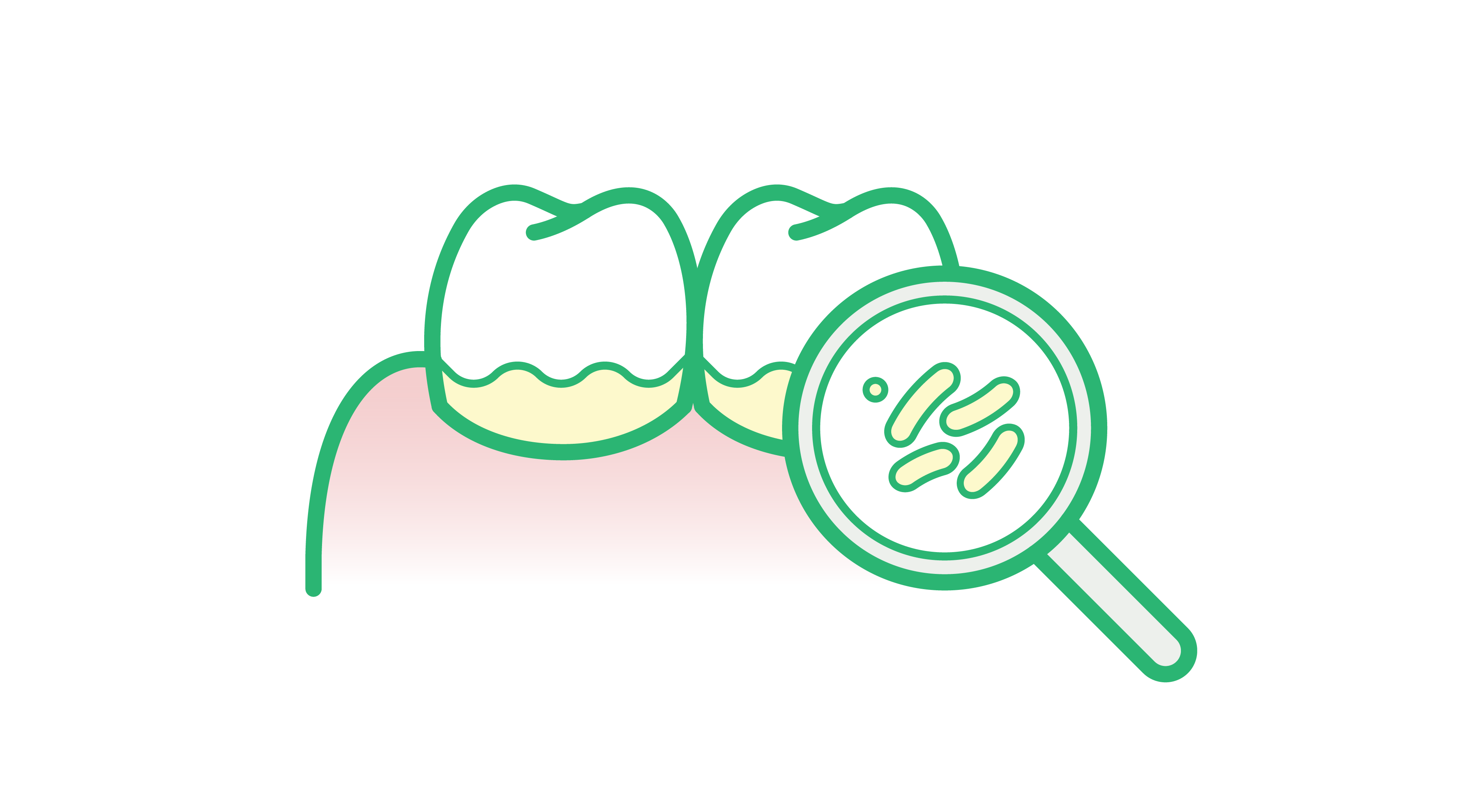
How buildup below the gumline leads to disease
When plaque isn't fully removed, minerals in saliva cause it to harden into tartar. This rough, porous surface provides a reservoir for bacteria to attach and multiply, especially below the gumline and in between teeth, where toothbrush bristles have limited reach.
As bacteria release toxins, the surrounding tissue becomes inflamed. Gums may bleed during brushing or appear swollen - early signs of gingivitis. If the inflammation continues, the tissue begins to pull away from the tooth, forming pockets where even more bacteria can accumulate. This stage, known as periodontitis, damages the bone and connective tissue that support the teeth
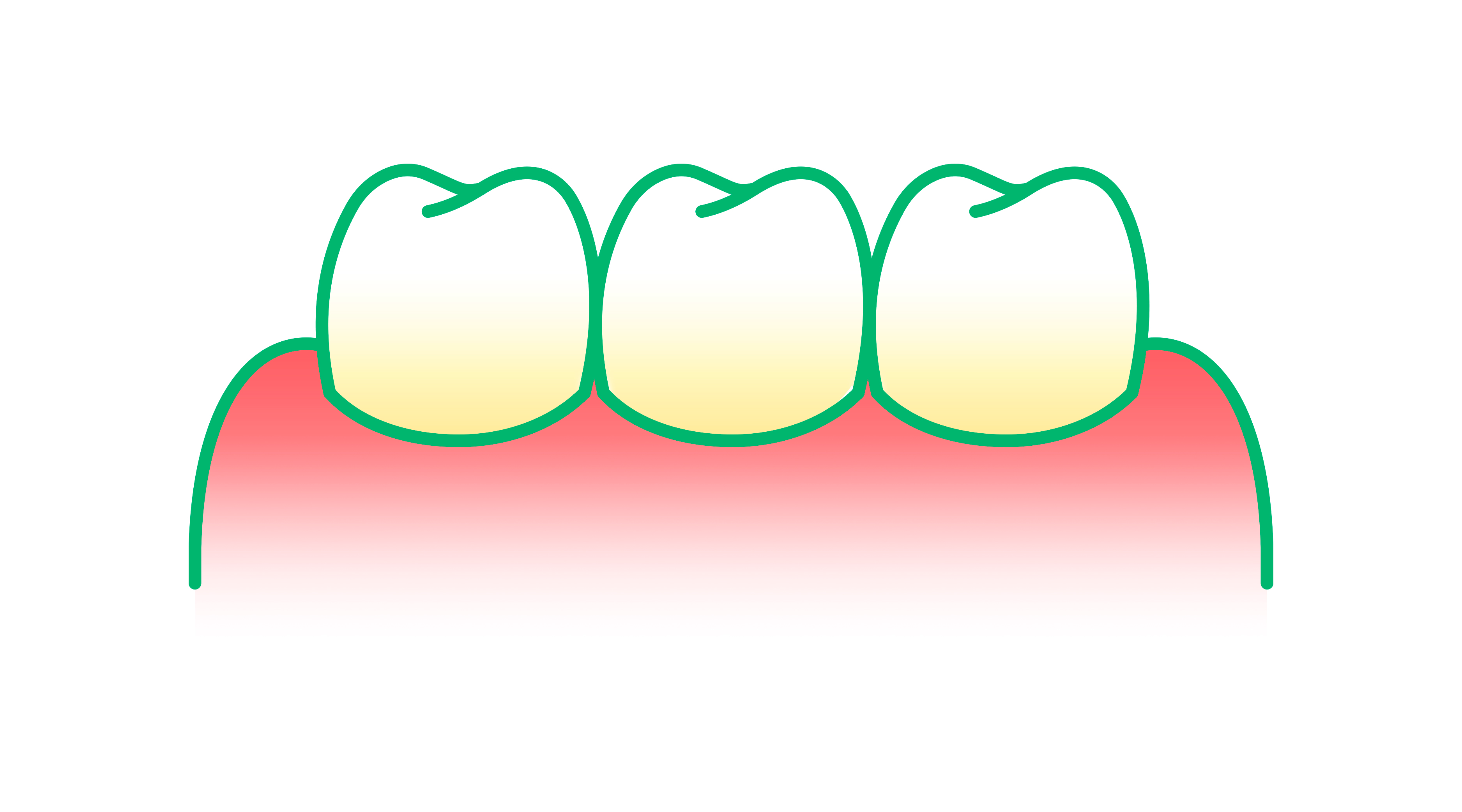
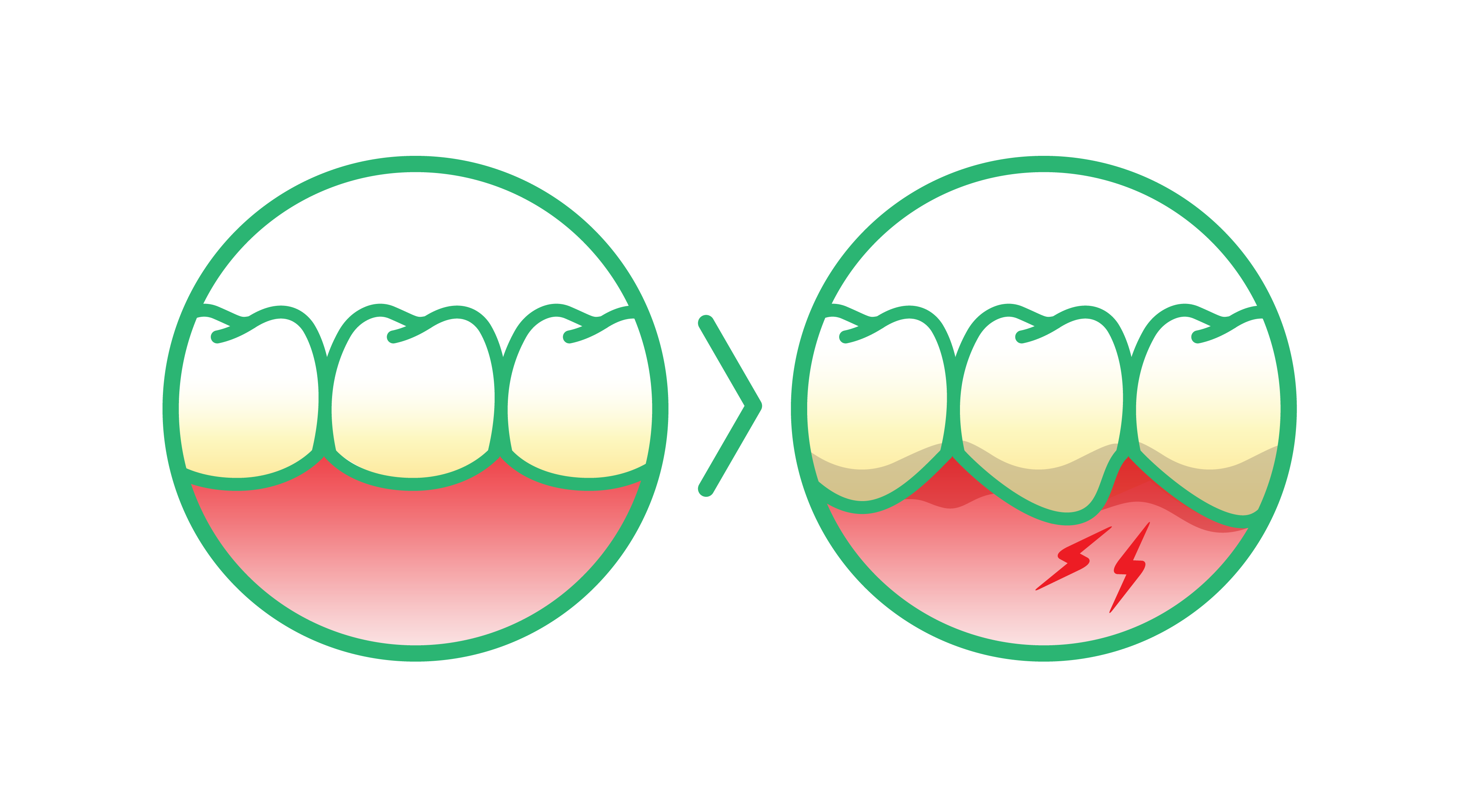
Consistent mechanical cleaning such as brushing at the gumline, cleaning between teeth, and maintaining regular dental visits helps prevent this cycle. These habits remove biofilm before it matures and hardens, keeping the gums stable and supporting the body's overall inflammatory balance.
What "Deep Cleaning Teeth" Really Means
When gum inflammation progresses beyond the reach of everyday care, dental professionals may recommend a deep cleaning, also known as scaling and root planing. This clinical procedure is designed to remove bacterial buildup below the gumline and create conditions that allow the gums to heal and reattach to the teeth.
A professional deep cleaning treats active gum disease. Today, dentists and dental hygienists use advanced instruments and techniques designed to make the procedure as comfortable and often painless as possible.
Using specialized instruments, dental professionals carefully remove hardened deposits of plaque and tartar that have formed beneath the gumline - areas that daily brushing and interdental cleaning can't reach once buildup has hardened.
An at-home deep cleaning, by contrast, focuses on prevention. Through consistent daily care that reaches along and below the gumline, it helps maintain microbial balance and protect gum tissue from inflammation. Tools such as soft-bristled toothbrushes, interdental brushes, and floss play a critical role in disrupting plaque before it mineralizes into tartar.
Both types of cleaning share the same goal: restoring and preserving a healthy oral environment. Regular home care reduces the need for professional intervention, while professional cleanings address the deeper issues that daily habits alone can't resolve.
A closer look at professional scaling and root planing
During a professional deep cleaning, the dental team focuses on two key steps-scaling and root planing-to restore gum health and reduce bacterial activity below the gumline.
- Scaling: Using ultrasonic or manual instruments, the clinician removes hardened plaque (tartar) and bacterial biofilm from tooth surfaces above and below the gums. This process disrupts bacterial colonies and helps reduce inflammation.
- Root planing: The clinician then smooths the root surfaces of the teeth. A smoother surface makes it harder for bacteria to reattach and provides a better foundation for gum tissue to heal and reattach naturally.
Scaling and root planing are typically prescribed when gum pockets form - spaces between the teeth and gums where bacteria thrive - or when inflammation persists despite regular care. Restoring gum attachment not only improves oral health but may also help reduce systemic inflammation linked to periodontal disease.
Signs you may need professional deep cleaning
Certain symptoms indicate that bacterial buildup below the gumline has advanced beyond what daily cleaning can manage:
- Persistent bleeding or swelling of the gums
- Gum recession or sensitivity along the roots of teeth
- Chronic bad breath or unpleasant taste
- Visible tartar or dark deposits near the gumline
Dentists assess gum health by measuring pocket depth - the depth of the space between the tooth and surrounding tissue. When those pockets deepen, they create conditions where bacteria can multiply and cause further damage. Early evaluation and treatment prevent this cycle from progressing and protect both oral and systemic health.
Post-care best practices
If professional treatment was required, healing continues long after the appointment. The days and weeks that follow are an important opportunity to help the gums reattach and stabilize. Gentle, consistent cleaning supports that process and prevents harmful bacteria from returning to the treated areas.
Use a soft-bristled toothbrush to clean your teeth twice daily, and continue daily interdental cleaning, taking care to avoid irritation while the tissue heals. Your dental professional may recommend specific rinses or follow-up visits to monitor progress.
Long-term gum maintenance prevents reinfection and protects the gains achieved during treatment. By combining regular professional checkups with steady at-home care, you help ensure lasting results and contribute to overall health through better control of oral inflammation.
Deep cleaning at home
In most cases, gum disease can be avoided through consistent mechanical cleaning that reaches below the gumline and between teeth. These daily habits help keep the oral microbiome balanced, protect gum tissue from inflammation, and reduce the need for future clinical intervention.
Brushing along the gumline
Effective brushing is about technique, not force. The goal is to disrupt plaque where it begins to form at the gumline. Hold the toothbrush at a 45° angle toward the gums and use small, gentle circular motions. Focus on brushing for at least two minutes, twice a day, reaching all tooth surfaces and the gum margins.
Soft bristles are key. They allow the brush to flex below the gumline without damaging tissue, and to sweep away biofilm before it hardens into tartar. Overly firm bristles or aggressive brushing can irritate the gums and create recession, leaving sensitive roots exposed.
GUM offers toothbrushes, like the GUM PRO Manual Toothbrush, specifically designed for below-the-gumline care, combining soft, tapered bristles and ergonomic handles to make effective brushing more comfortable and precise.
Cleaning between teeth
Even the most thorough brushing misses the spaces between teeth, areas where up to 40% of plaque can accumulate. These interdental spaces are also where the balance of the oral microbiome is most easily disrupted.
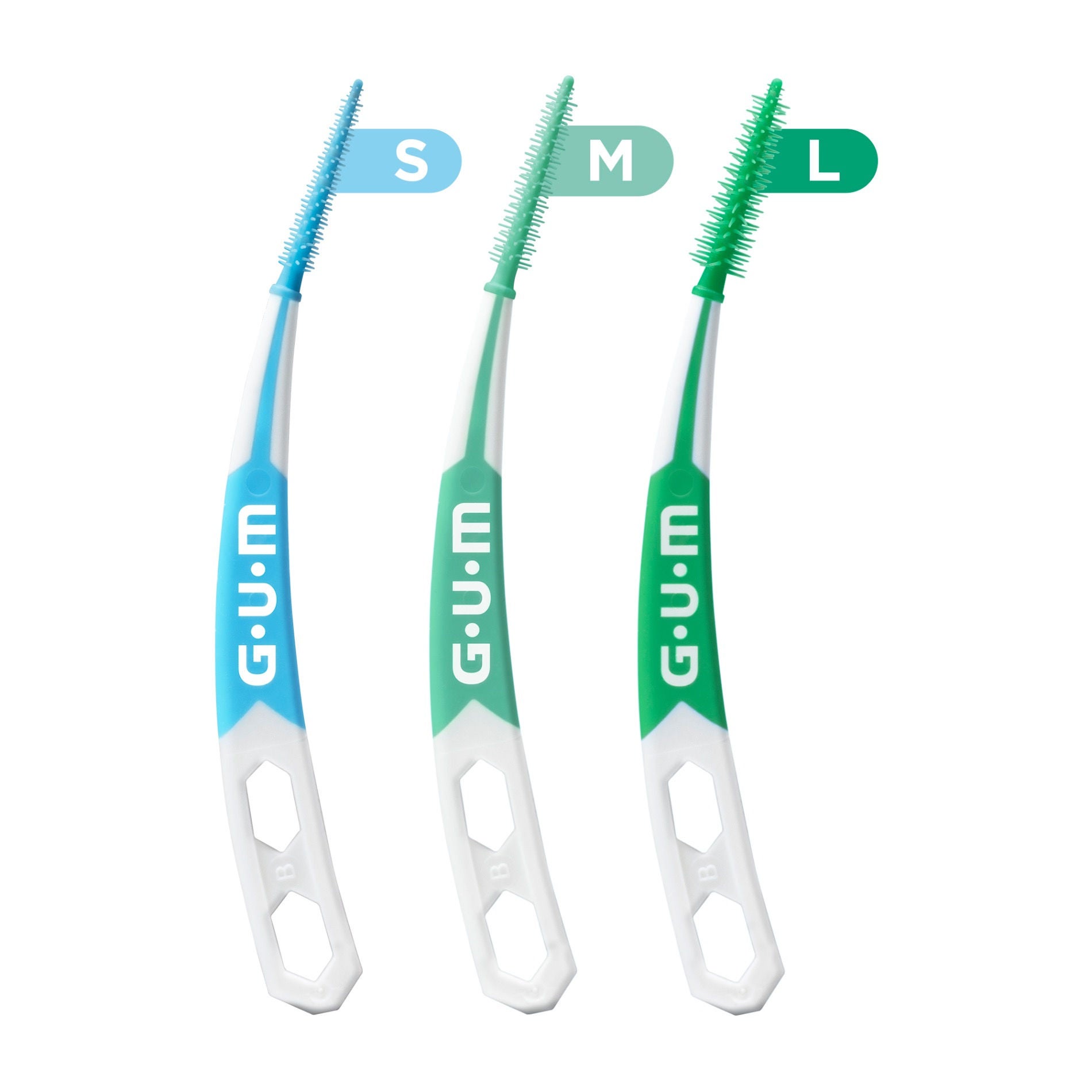
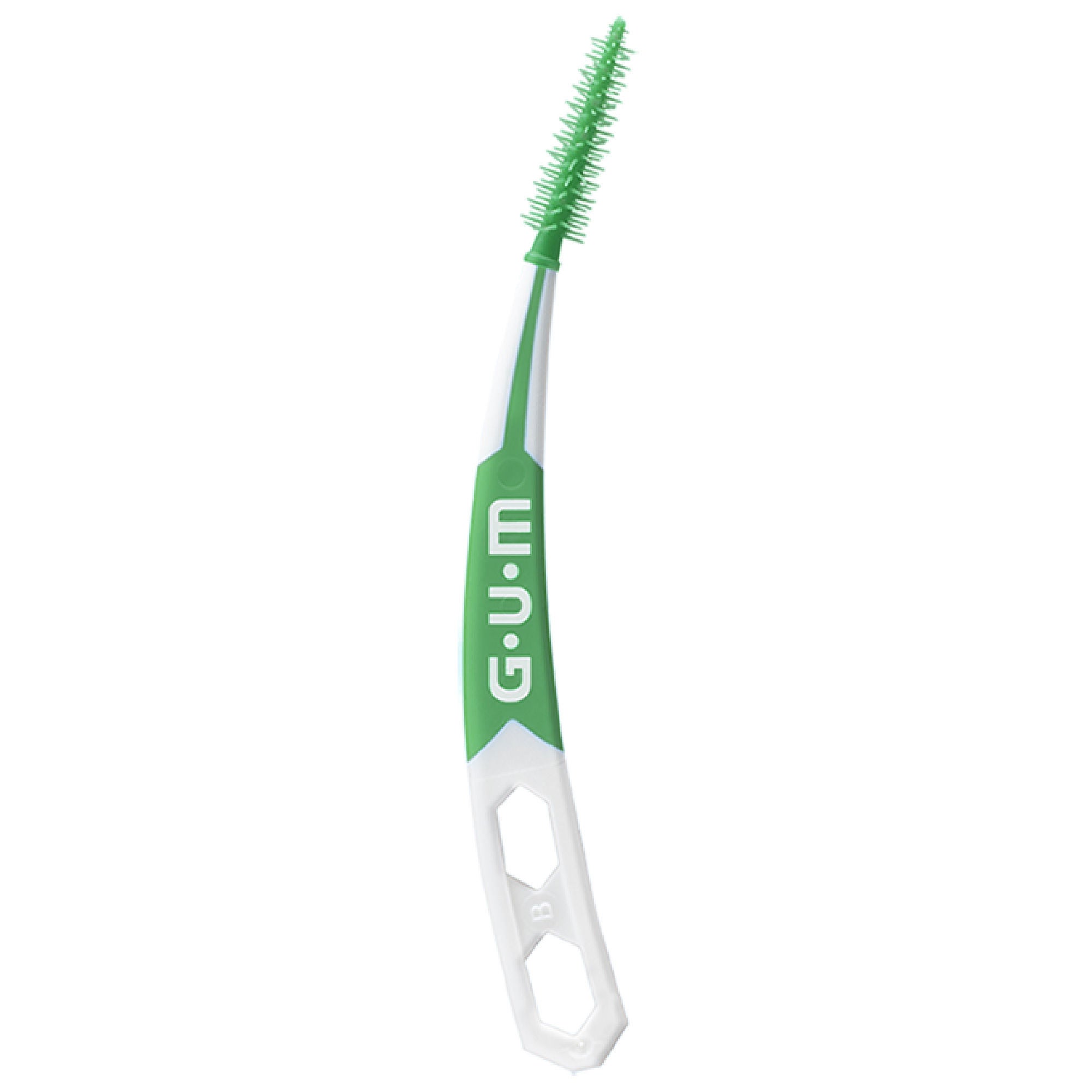
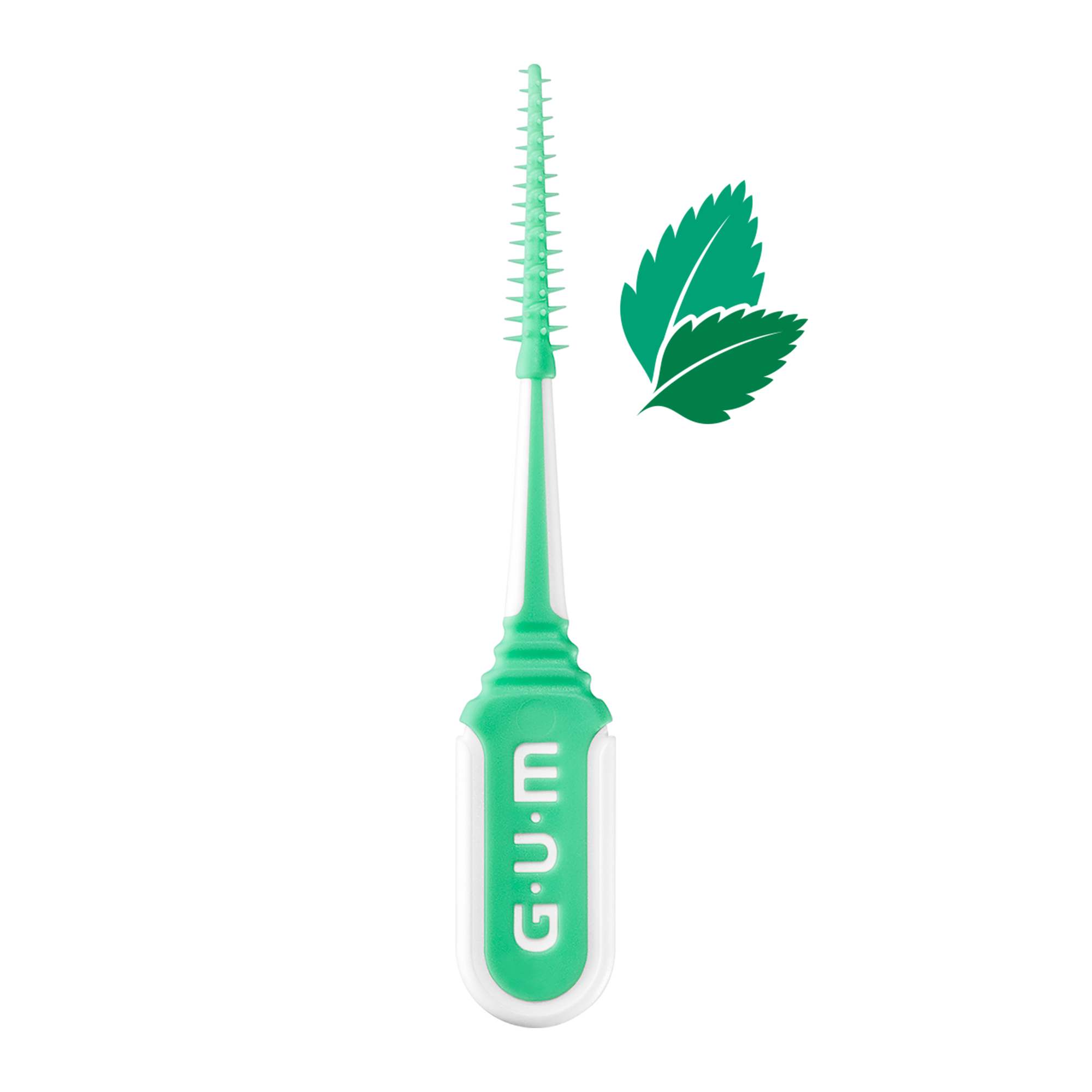
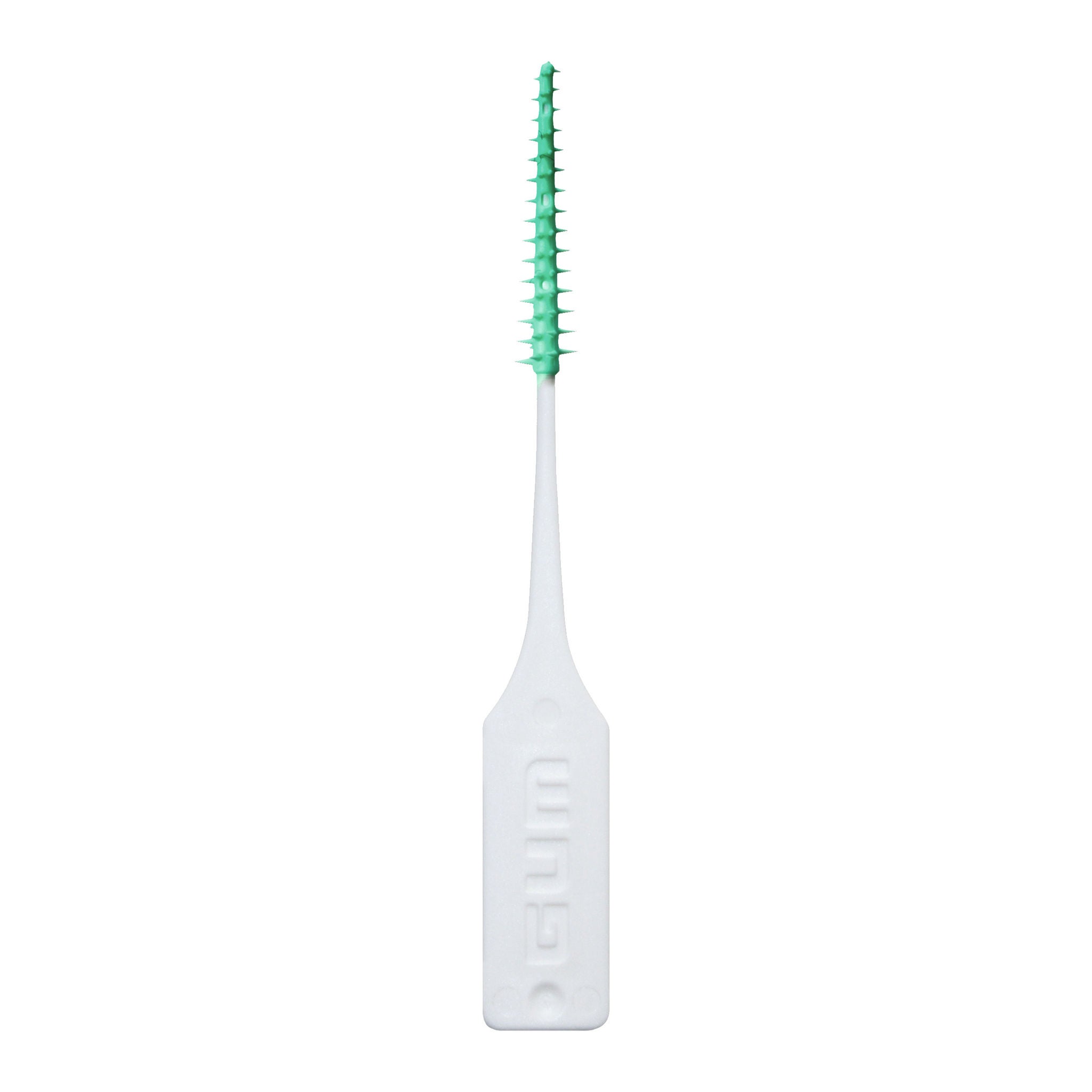
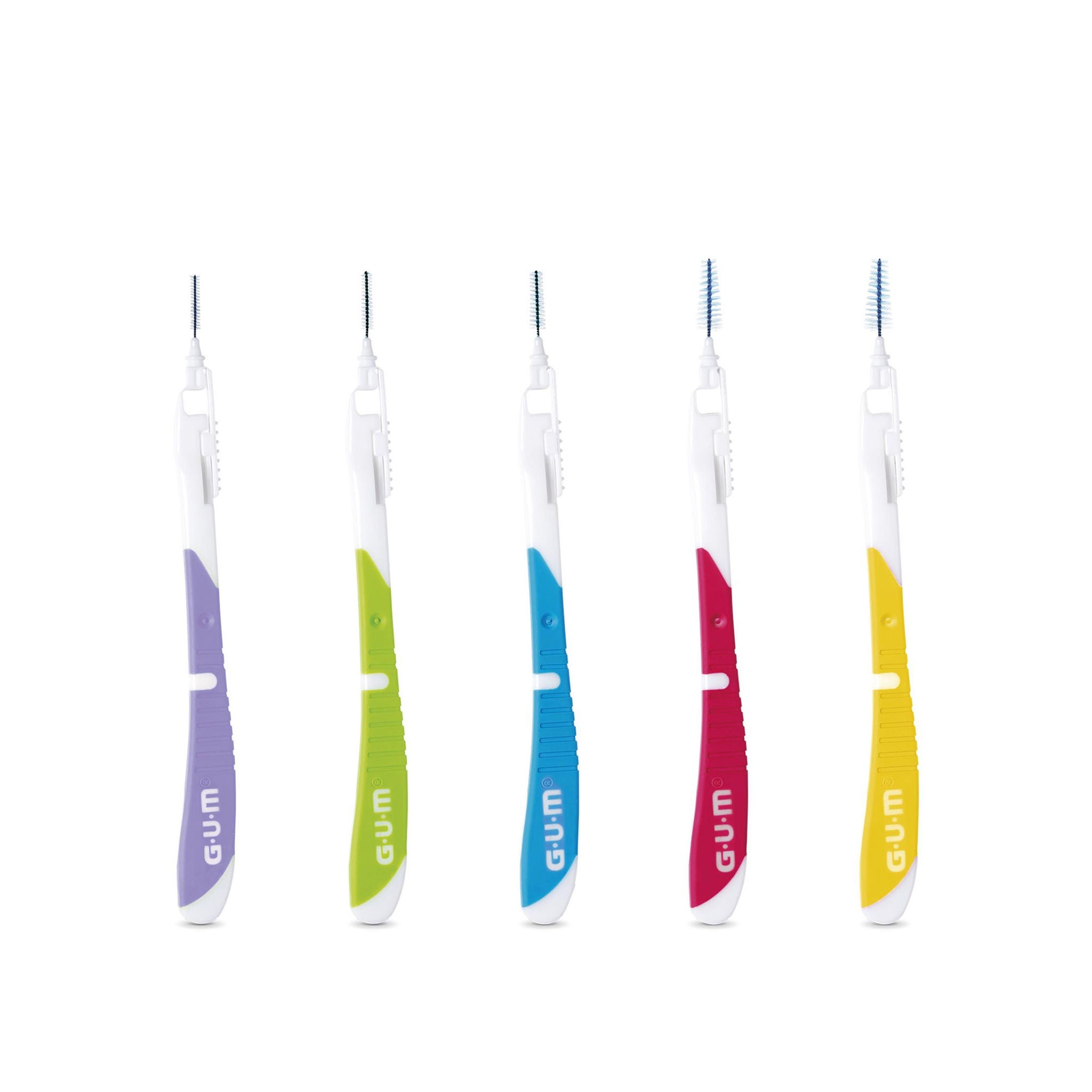
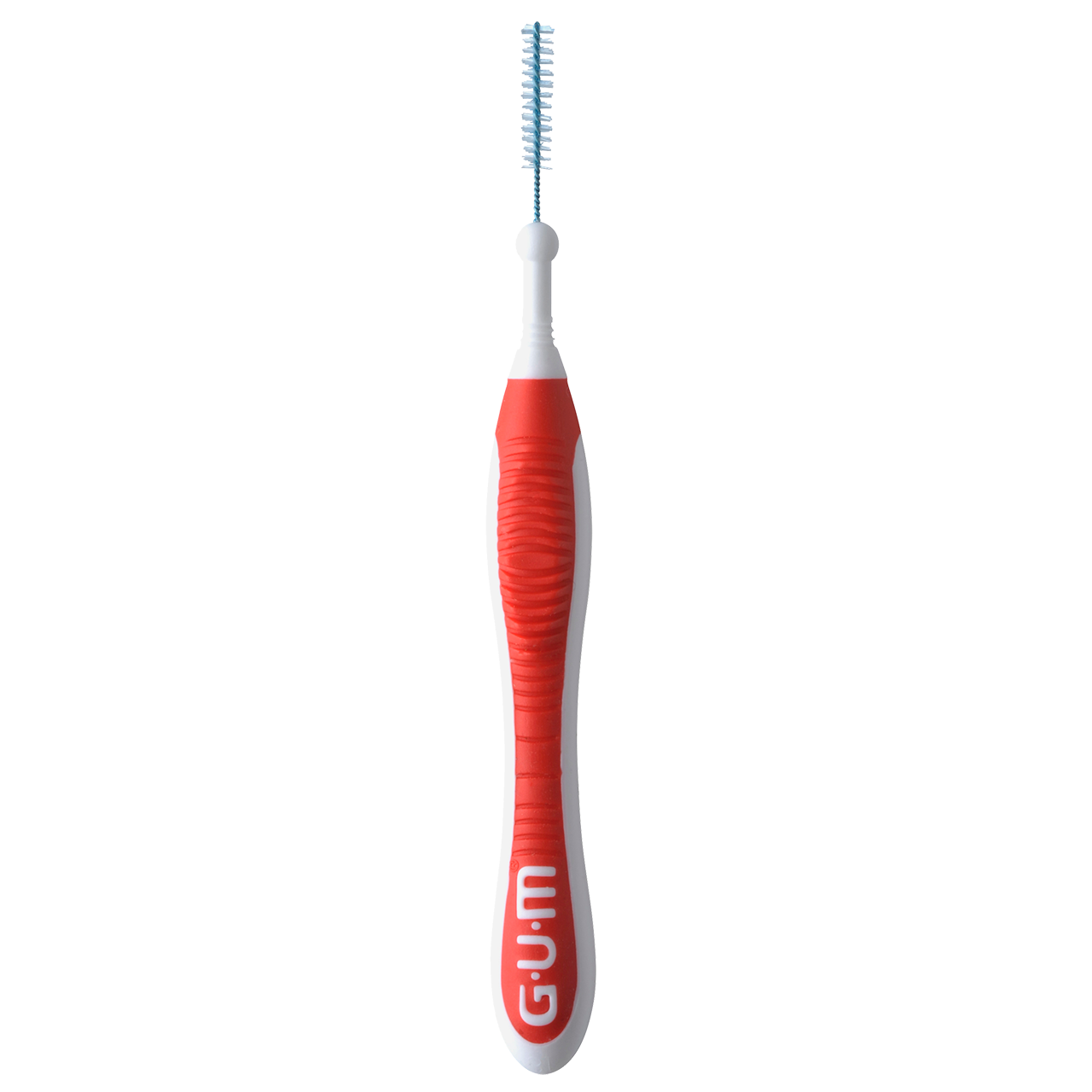
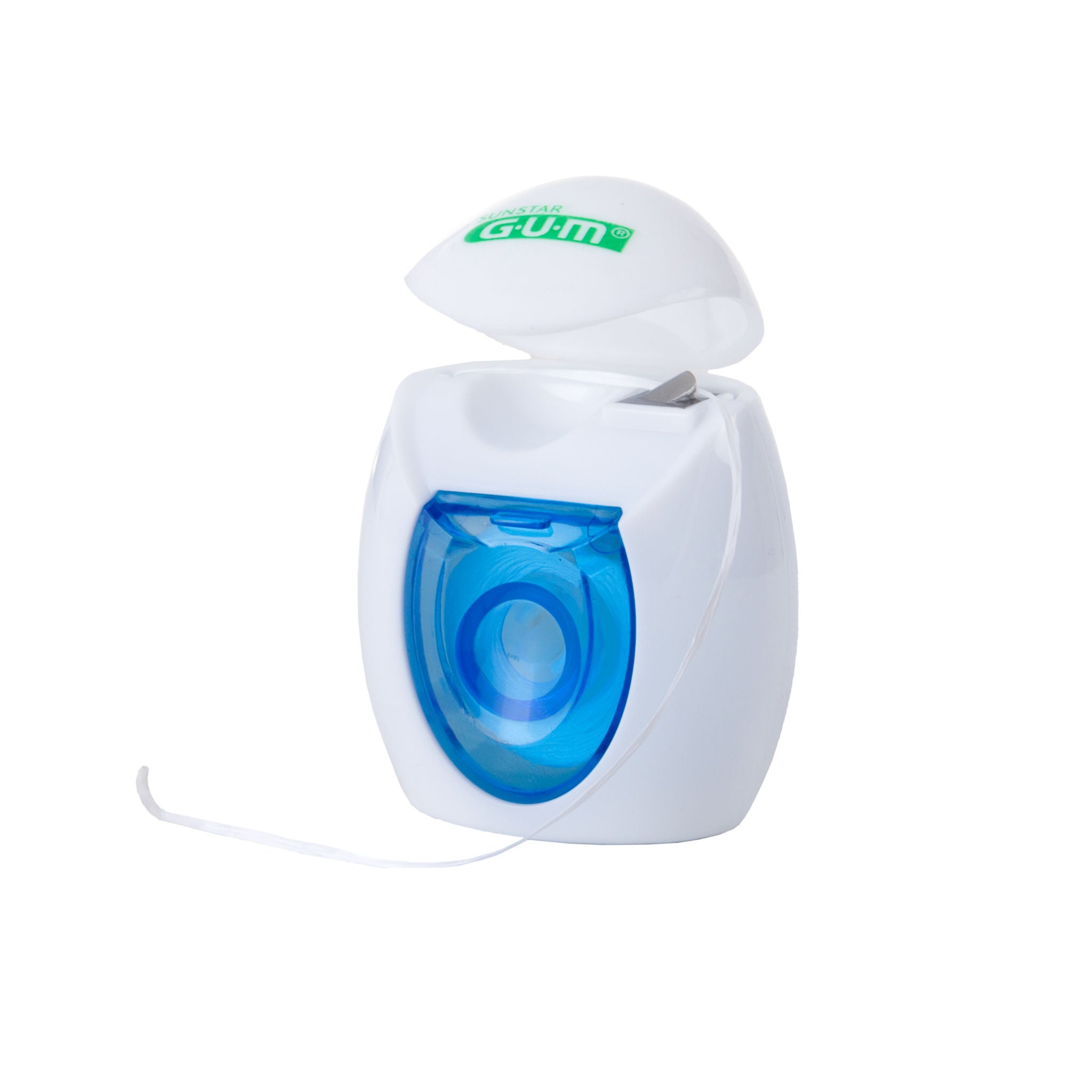
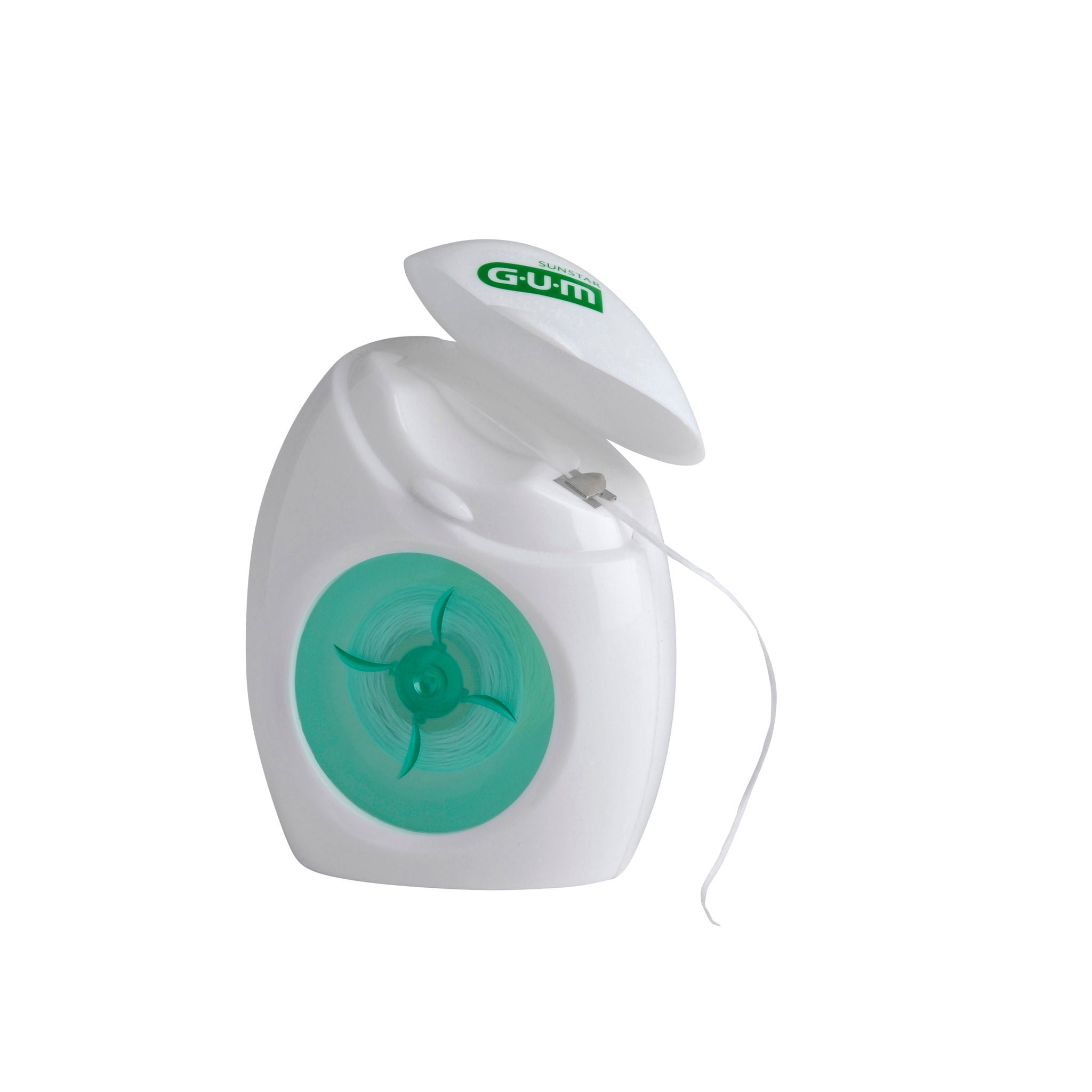
Daily interdental cleaning removes debris and bacterial film that brushing can't reach. Interdental brushes are particularly effective for this purpose, especially for people with wider gaps, bridges, or orthodontic appliances. Choose a brush size that fits snugly but moves smoothly between teeth without force. For tighter spaces, floss or dental tape can provide similar benefits.
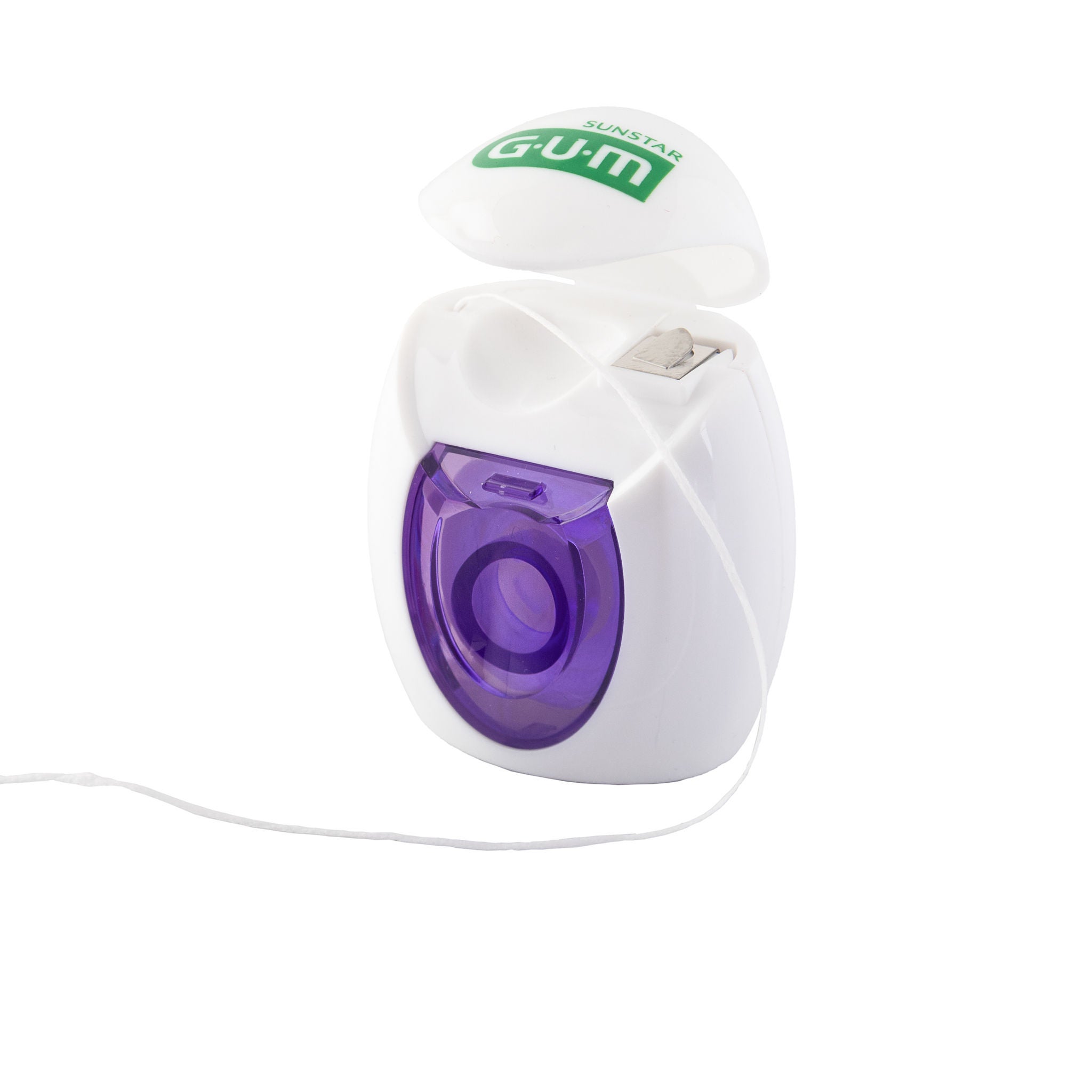
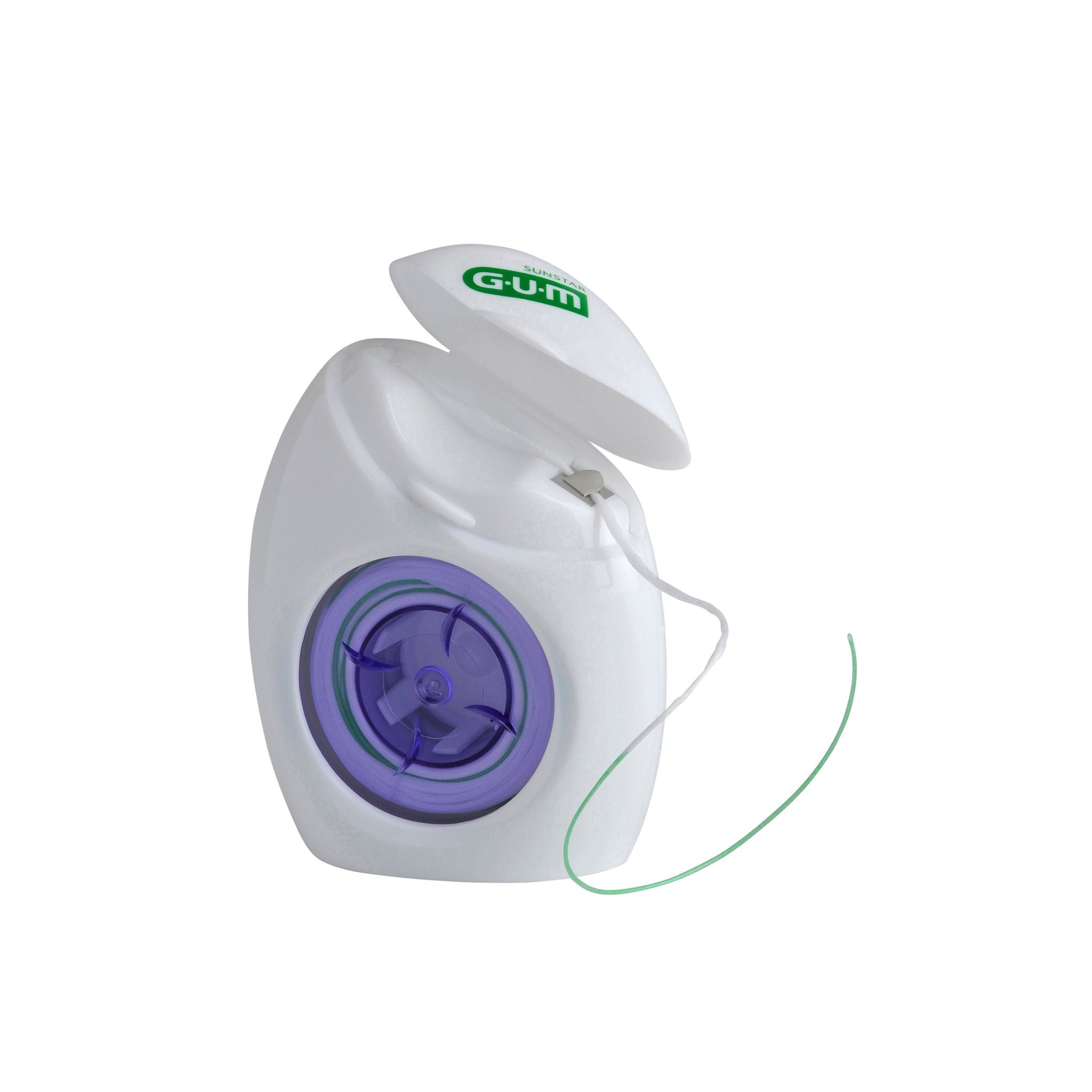
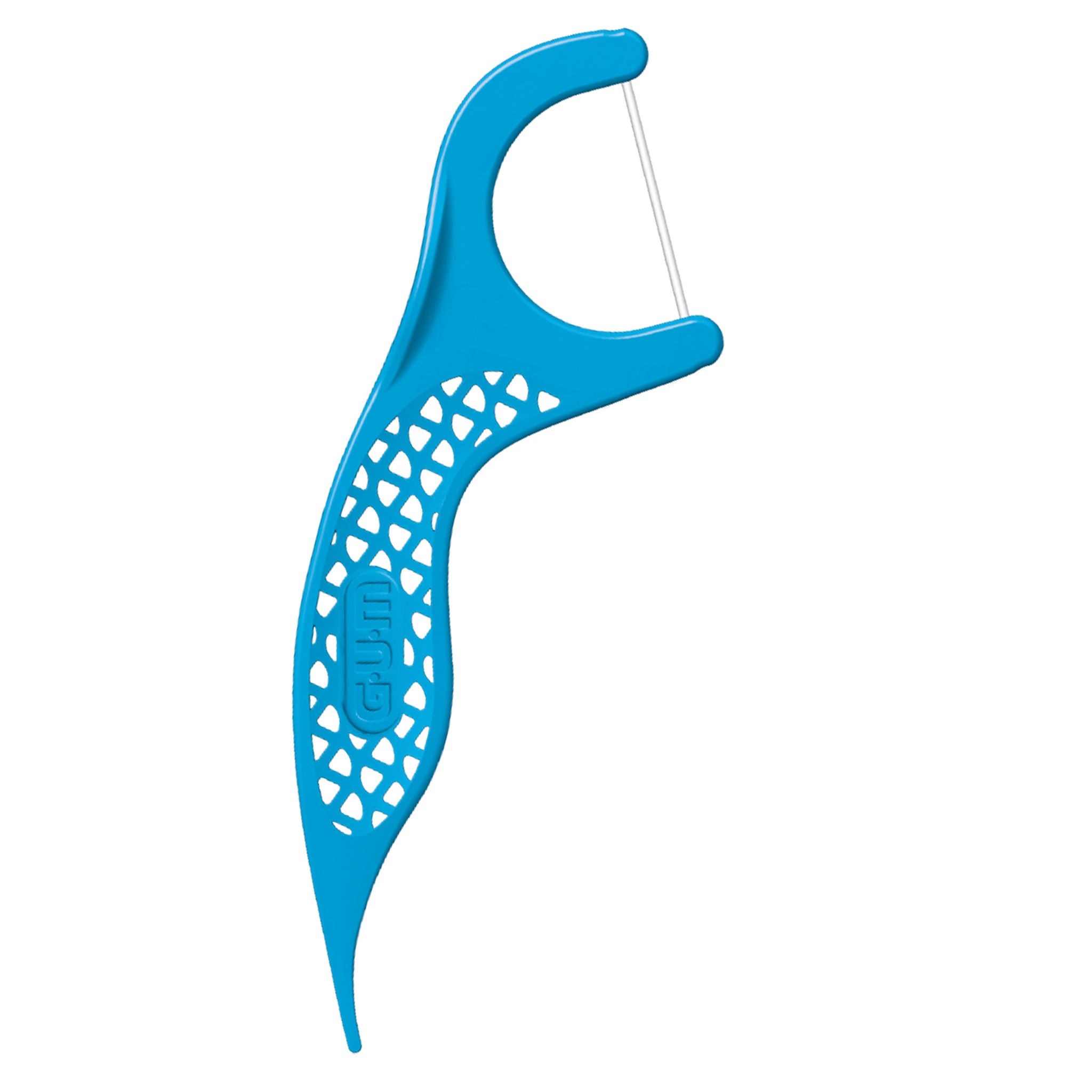
GUM's interdental brushes and flossing tools are designed for comfort, precision, and gum safety, helping make daily interdental cleaning an easy and sustainable habit
Explore Our Interdental Brushes, Rubber Picks and Floss
Habits that support gum health
Mechanical cleaning is the foundation of gum health, but supportive habits help sustain results:
- Rinsing: An antimicrobial or fluoride mouthwash can help reduce bacteria, but it should be used tactically, under the supervision of a dental professional, and complement-certainly not replace-brushing and interdental cleaning.
- Stay hydrated: Saliva naturally helps neutralize acids and wash away bacteria; adequate water intake supports this process.
- Eat for oral health: A balanced diet rich in vitamins C and D, antioxidants, and minerals supports gum integrity and immune function.
- Avoid tobacco: Smoking and other forms of tobacco use impair blood flow to the gums and hinder healing.
Prevention begins below the gumline
Deep cleaning does more than restore oral health; it helps maintain balance within the mouth and supports whole-body wellness. Consistent care below the gumline is the foundation of prevention. With the right tools and daily habits, you can protect your gums, sustain healing, and support long-term well-being.
Explore the full GUM range of products to make daily prevention simple and effective.
Related Articles
-
How to Care for Your Gums at Home Learn how to care for your gums effectively at home with daily brushing, interdental tools, and healthy habits that help prevent gum disease.
-
At-Home Care for Gum Disease Explore care methods for gum disease. Understand periodontitis stages, learn essential at-home care strategies, and recognize when to seek professional help.