

May 04, 2026
- minute readminutes read
High Blood Pressure and Gum Health
According to the World Health Organization (WHO), an estimated 1.28 billion adults worldwide aged 30–79 years have hypertension. This often goes undetected and can lead to the development of several serious conditions if left untreated.

While genetics and age play a role in developing hypertension, several factors are well within your control to reduce your risk of developing high blood pressure.
Let’s take a look at what hypertension is, why it’s a condition that should be taken seriously, and how improving your oral health can support overall cardiovascular health.
What is hypertension (high blood pressure)?
Hypertension, also known as high blood pressure, is a medical condition characterised by elevated blood pressure levels in the arteries. Blood pressure is the force exerted by the blood on the walls of the arteries as it flows through them.
How blood pressure is measured
Medical professionals use a blood pressure cuff (called a sphygmomanometer) to measure the force of blood on the walls of the arteries as it flows through them in millimeters of mercury (mmHg).
This measurement consists of two numbers – systolic pressure (the top number) and diastolic pressure (the bottom number).
Systolic pressure is the measurement of pressure in blood vessels when the heart contracts or beats, while diastolic pressure is the measurement of pressure in the vessels when the heart rests between beats.
What blood pressure numbers are considered high?
Blood pressure is considered normal when the systolic pressure is less than 120 mmHg and the diastolic pressure is less than 80 mmHg. Between 120 and 130 mmHg is considered elevated blood pressure. Hypertension is diagnosed when the systolic pressure is consistently at or above 130 mmHg and/or the diastolic pressure is consistently at or above 80 mmHg.
Why high blood pressure increases health risk
High blood pressure puts increased strain on the blood vessels and organs throughout the body. Over time, this can cause damage to the blood vessels, which can increase the risk of several serious health problems, including cardiovascular disease, kidney disease, eye damage, and even cognitive decline.
In addition to these serious health problems, hypertension can also lead to other complications such as aneurysms, peripheral artery disease, strokes, and heart attacks.

How gum disease may be linked to high blood pressure
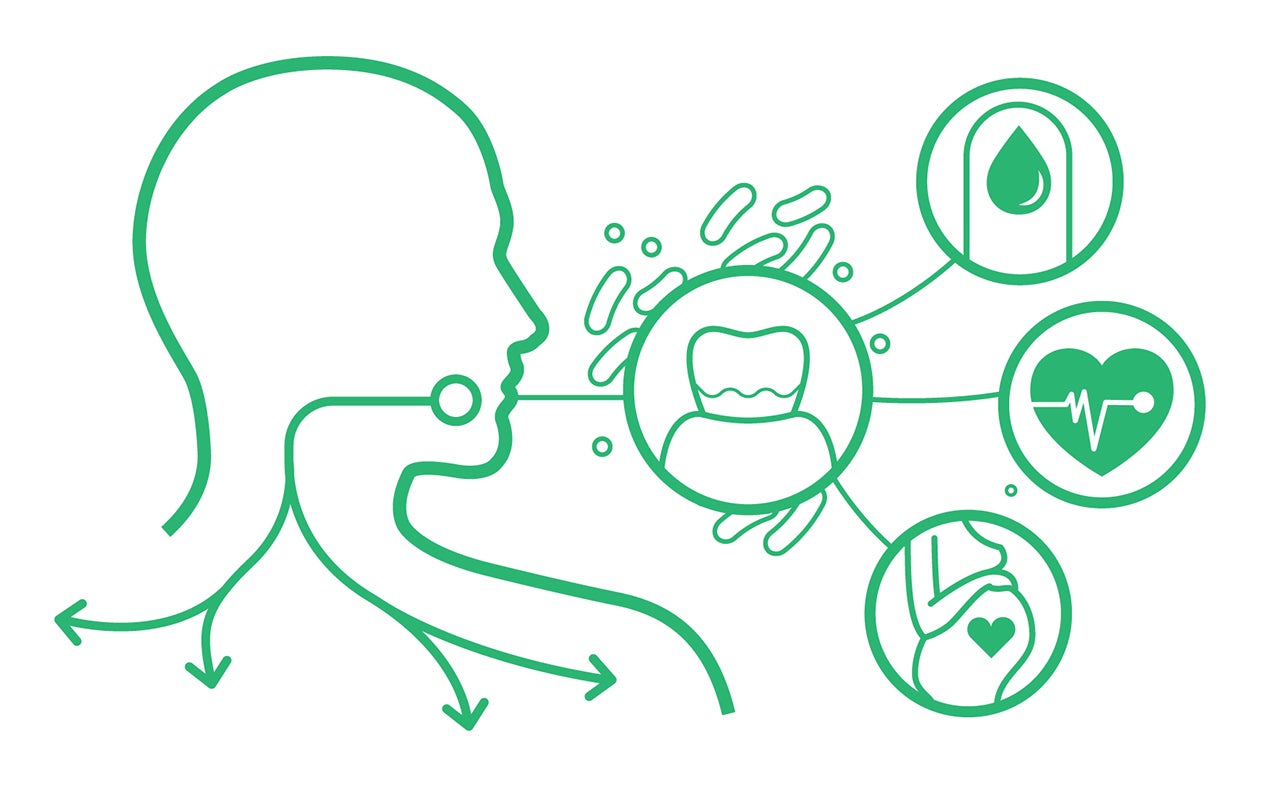
Research suggests there may be an association between gum disease and elevated blood pressure. A study conducted by University College London found that adults with periodontitis were more likely to have higher blood pressure compared to those with healthy gums.
One proposed explanation involves inflammation. Periodontitis is a chronic inflammatory condition caused by bacterial infection of the gums. When this inflammation persists, inflammatory markers can enter the bloodstream and contribute to systemic inflammation. Over time, this ongoing inflammatory burden may affect the lining of the blood vessels — known as the endothelium — which plays an important role in regulating blood pressure.
Some researchers have suggested that periodontal bacteria and the body’s immune response to them may influence vascular function well before a diagnosis of hypertension is made. While oral health is only one factor among many that contribute to blood pressure levels, maintaining healthy gums may support overall cardiovascular health as part of a broader prevention strategy.
Additional risk factors for developing high blood pressure
As noted earlier, hypertension can be passed down genetically, and older individuals have an increased risk of developing high blood pressure.
There are, however, additional – manageable – risk factors:
- Being overweight or obese: Excess body weight puts added strain on the heart and blood vessels, leading to increased blood pressure. In addition, excess body fat can cause hormonal changes that contribute to hypertension.
- Not being physically active: Regular physical activity helps to keep the heart and blood vessels healthy, and can also help to maintain a healthy weight.
- High-salt diet: Consuming too much salt in the diet can lead to water retention and increased blood volume, which can cause an increase in blood pressure.
- Drinking too much alcohol: Excessive alcohol consumption can damage the heart and blood vessels, leading to an increase in blood pressure. In addition, alcohol can interfere with the effectiveness of blood pressure medications.
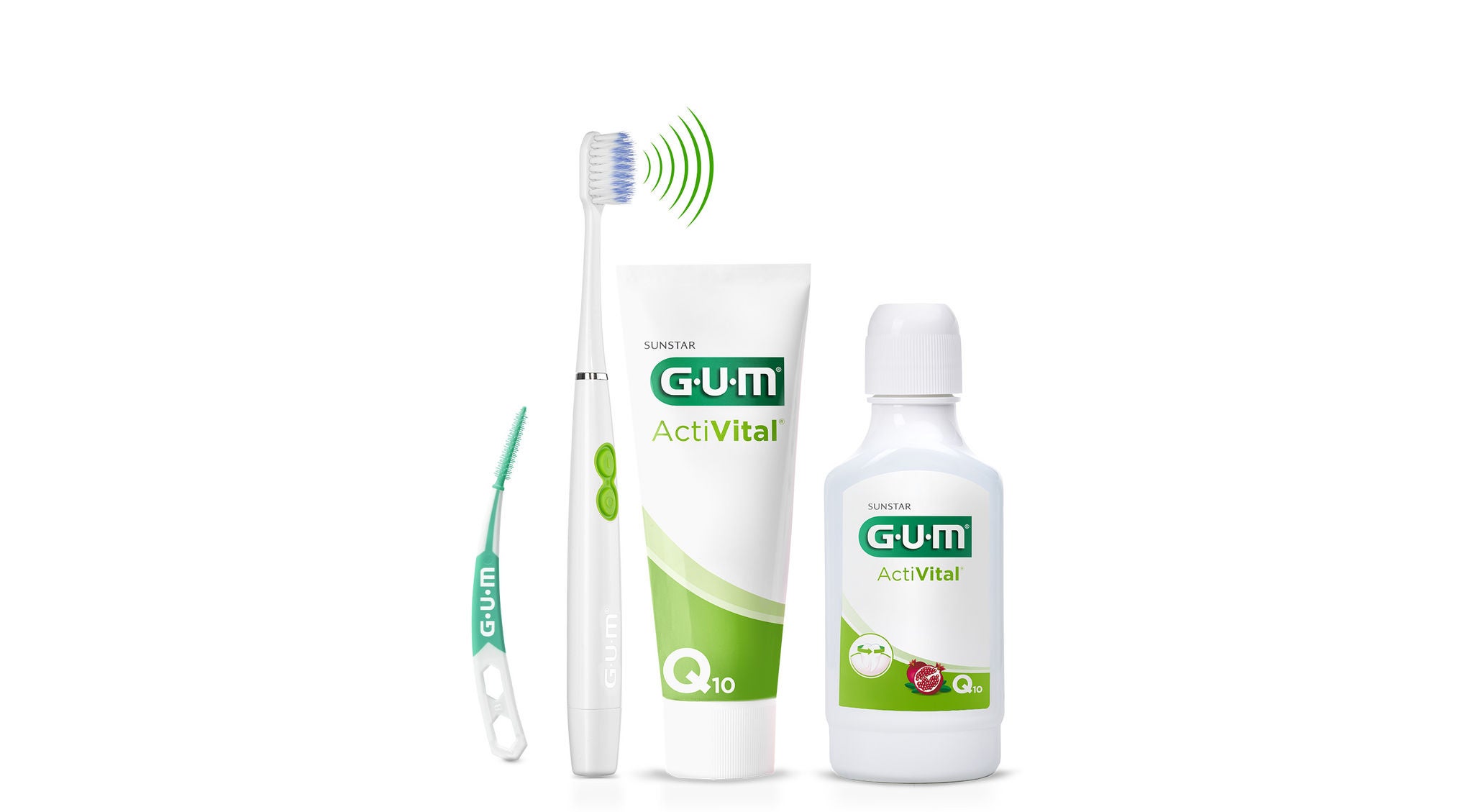
In addition, regular dental check-ups and cleanings will enable your dentist to recognize early warning signs of gum disease and help you develop a plan to counter its progress.
Finally, medical professionals recommend maintaining a balanced diet and a healthy lifestyle with regular exercise to ensure you are doing your part to maintain healthy blood pressure.
Related Articles
-
Alcohol and Your Mouth: A Dangerous Relationship Alcohol consumption increases your risk of tooth decay, gum disease, and oral cancer. Learn about the risk factors and how you can moderate your risk.
-
The Link Between Cancer and Oral Health Discover the connection between oral health and cancer. Learn how adopting healthy oral care habits can reduce your risk of developing this serious disease.

-
Oral Health and the Immune System: Partners in Wellness Explore how oral health impacts your immune system. From daily habits to long-term benefits, find out why a healthy mouth is key to strong immunity.

-
Achieving Optimal Oral Health with Holistic Dental Care Learn about holistic dental care and the link between oral health and whole-body health.

-
Nutrition and Oral Health Research shows a strong link between what we eat and our oral health. Know more about this connection and how to adapt the diet to care for your teeth and gums.

-
What is Diabetes, How Does It Affect Oral Health? Diabetics are at risk for many health conditions, including periodontitis. Here’s what you should know about how diabetes and oral health are connected.

-
What Is the Oral Microbiome? Learn what the oral microbiome is, how it affects gum and overall health, and how daily oral care supports a healthy microbial balance.

-
Diabetes and Oral Health There's a connection between oral health and diabetes. Find out about how diabetes affects oral health and read our tips for your oral care routine.

-
Is Your Oral Health Affecting Your Overall Health? Your oral health and overall health are closely tied together, as these examples show.

-
How Does Smoking Affect Your Teeth and Gums? The effects of smoking on teeth and oral health, including increased risk of periodontal disease, tooth loss, and oral cancer.

-
How Does Plaque Form & Why You Should Care About It Bad breath, cavities, tooth decay and gum disease are just some of the consequences of plaque. A complete oral care routine helps you protect your oral health.

-
Gum Disease Definition and Causes Prevent gum disease and gum infection with our oral care products and rituals. Learn about the signs, causes, and prevention of periodontal disease

-
Obesity and Oral Health Obesity has negative effects on overall health, including an increased risk of developing gum disease. Discover how being overweight can affect oral health.

-
How Long Does Gingivitis Last & Is It Healing Worried you might have gingivitis but don’t know how to tell? Learn about the causes, indications, treatments, and how to tell if gingivitis is healing.

-
Oral Health Empowers Diabetes Management Oral health and diabetes are connected by a bidirectional link. Maintaining healthy gums and teeth will help you live healthier, with your diabetes.

-
Pregnancy and Oral Care Learn about the oral health concerns that can arise during pregnancy and discover tips to help you take care of your teeth during this special time.