

May 11, 2026
- minute readminutes read
Why Do My Gums Bleed When Cleaning My Teeth?
A tinge of pink on your floss or spot of blood after brushing is one of the first signs that something's happening below the gumline. While this early warning shouldn't cause alarm, it also shouldn't be ignored. Bleeding is your gums' way of signaling that the balance in your mouth needs attention.
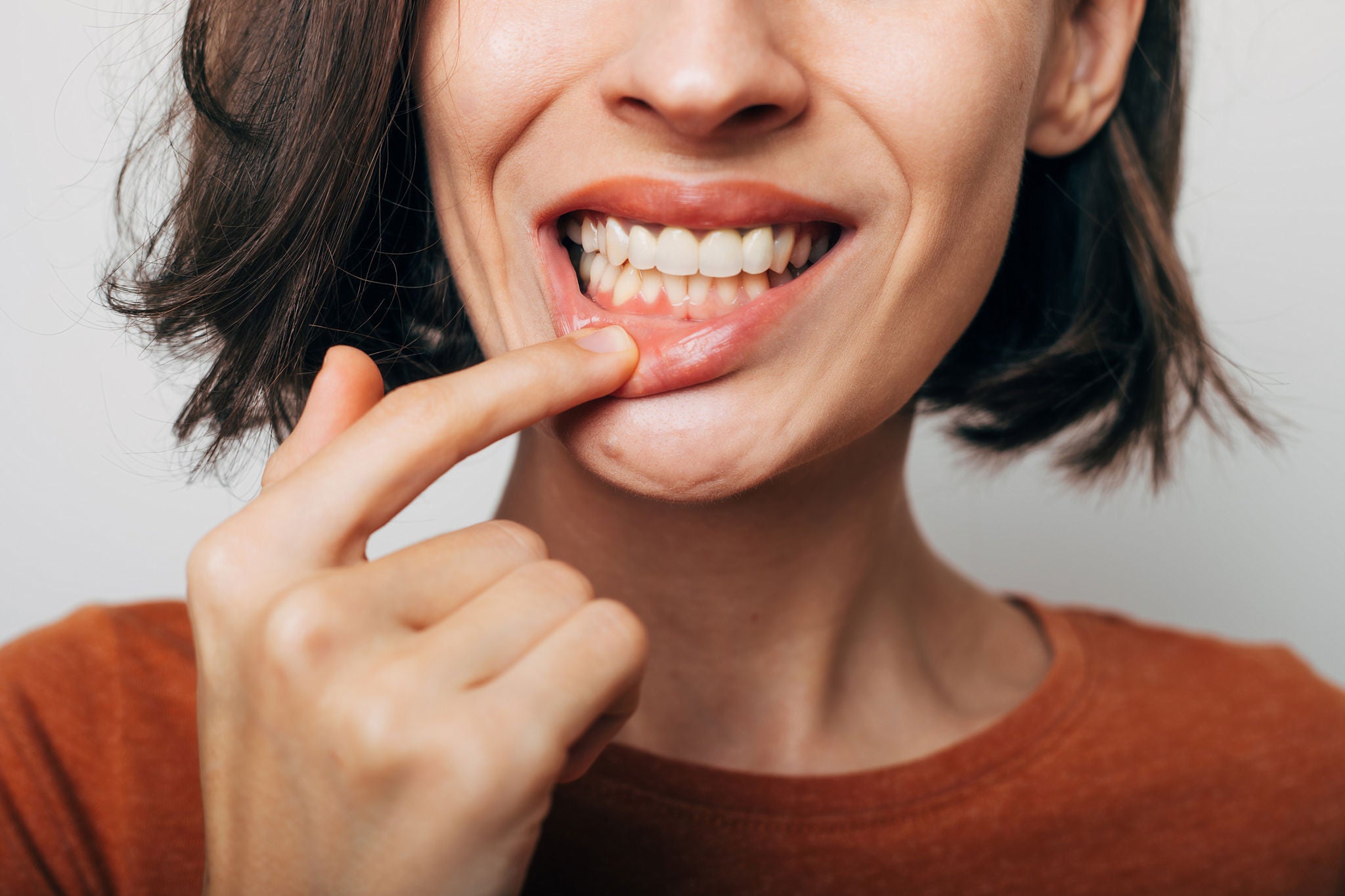
Understanding why your gums bleed is the first step toward restoring that balance. With the right cleaning habits and gentle daily care, most cases of bleeding can be managed at home-supporting both gum health and the body's natural defenses beneath the gumline.
Why Gums Bleed During Cleaning
Gums can bleed for many reasons, but the most common is irritation along the gumline.
Plaque buildup
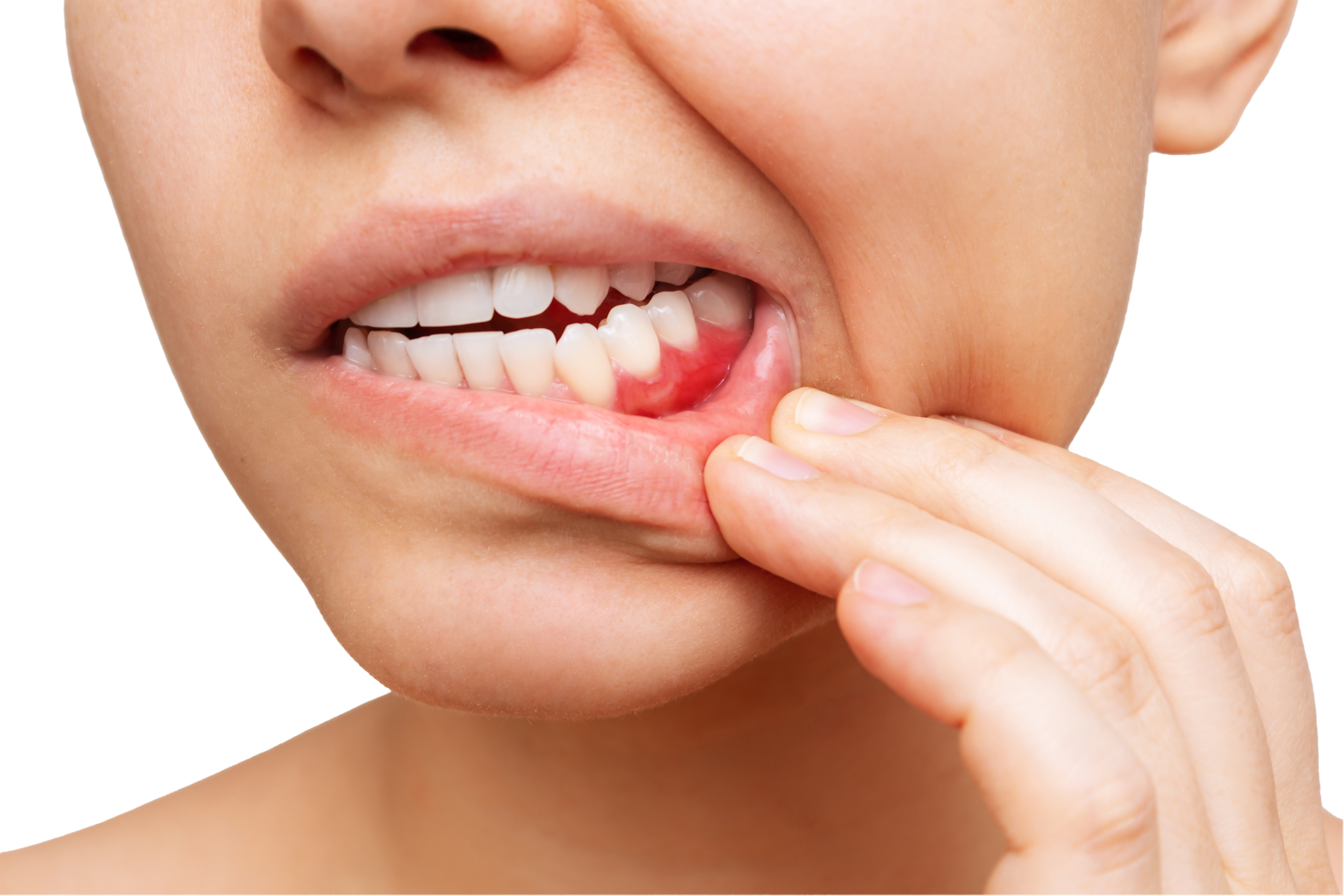
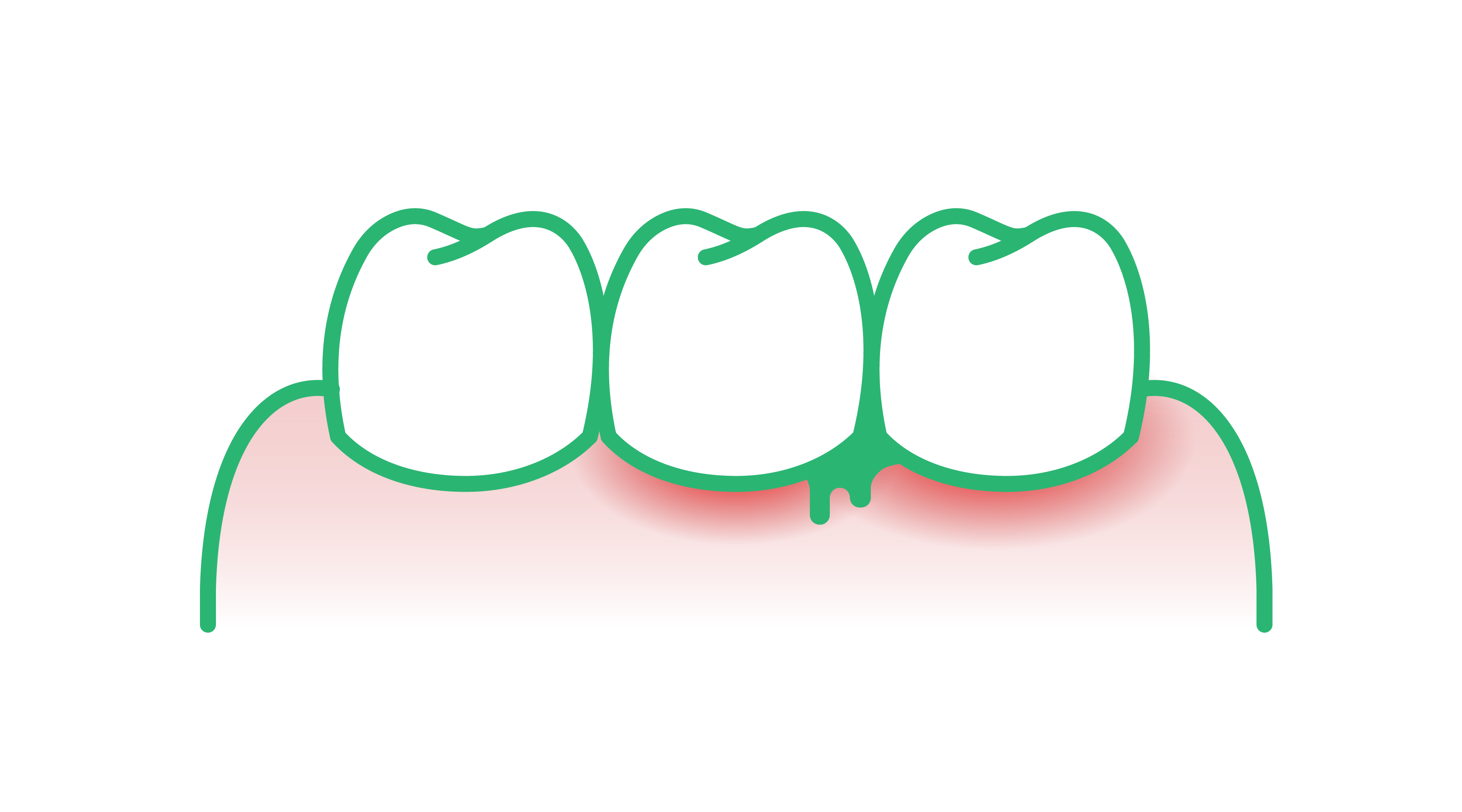
When plaque, a sticky film of bacteria, accumulates where the teeth meet the gums, it triggers inflammation. In the earliest stage, known as gingivitis, the blood vessels in gum tissue become more fragile, making them prone to bleeding during brushing or flossing.
At this point, bleeding is a sign that your gums are reacting to the presence of bacteria, not that you should stop cleaning.
Adjusting to a new routine
If you've recently resumed cleaning more carefully after a break, or begun a new interdental cleaning routine, a little bleeding for a few days is common. As plaque levels decrease and the tissue recovers, that bleeding should subside.
Cleaning technique
Technique can also play a role. Brushing too hard, using a stiff-bristled brush, or flossing too hard can create small abrasions that cause bleeding, even in otherwise healthy gums. The goal of cleaning is to remove plaque gently and thoroughly, not to scrub the gums into submission.
Other short-term factors
Hormonal changes, certain medications, or irritation from hard foods or recent dental work, can also make gums more sensitive. In these cases, the bleeding usually stops once the gums adapt or the underlying cause resolves. Persistent bleeding, however, may signal that deeper inflammation is taking hold, and that's when extra care and professional attention become essential.

When Bleeding During Cleaning Signals a Problem
Healthy gums rarely bleed. When they do, it's an opportunity to reset your routine and get support before small issues become chronic ones. If bleeding persists despite gentle brushing and interdental cleaning, or if you notice gum recession, sensitivity, bad breath, or changes in gum color, schedule an evaluation with your dentist.
They can determine whether the cause is local, such as plaque buildup, or connected to systemic factors like medications or hormonal shifts. Professional cleanings are even more beneficial at this stage. Even with consistent home care, hardened plaque (tartar) can form where toothbrush bristles and interdental tools can't reach. A dental hygienist can remove these deposits safely, giving the gums a chance to heal and reattach.
With regular dental visits and the right tools for gentle, thorough cleaning at home, your gums can regain their natural resilience.
Safe Daily Cleaning for Tender Gums
When gums feel sore or bleed easily, it's tempting to back off from cleaning, but gentle consistency is what helps them heal. Each small act of care supports the gum tissue's natural ability to strengthen and reattach, restoring balance below the gumline.
Clean between teeth every day
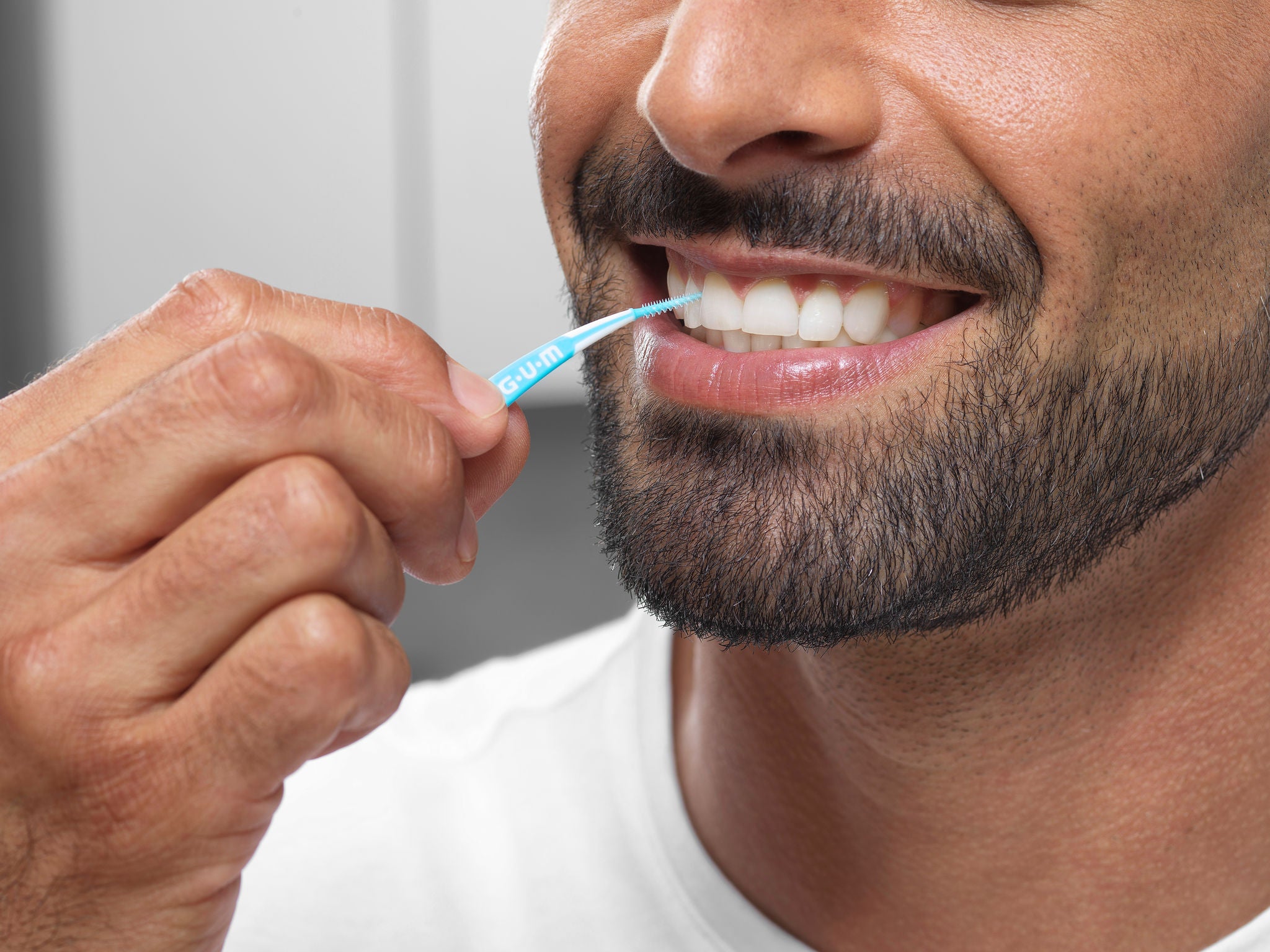
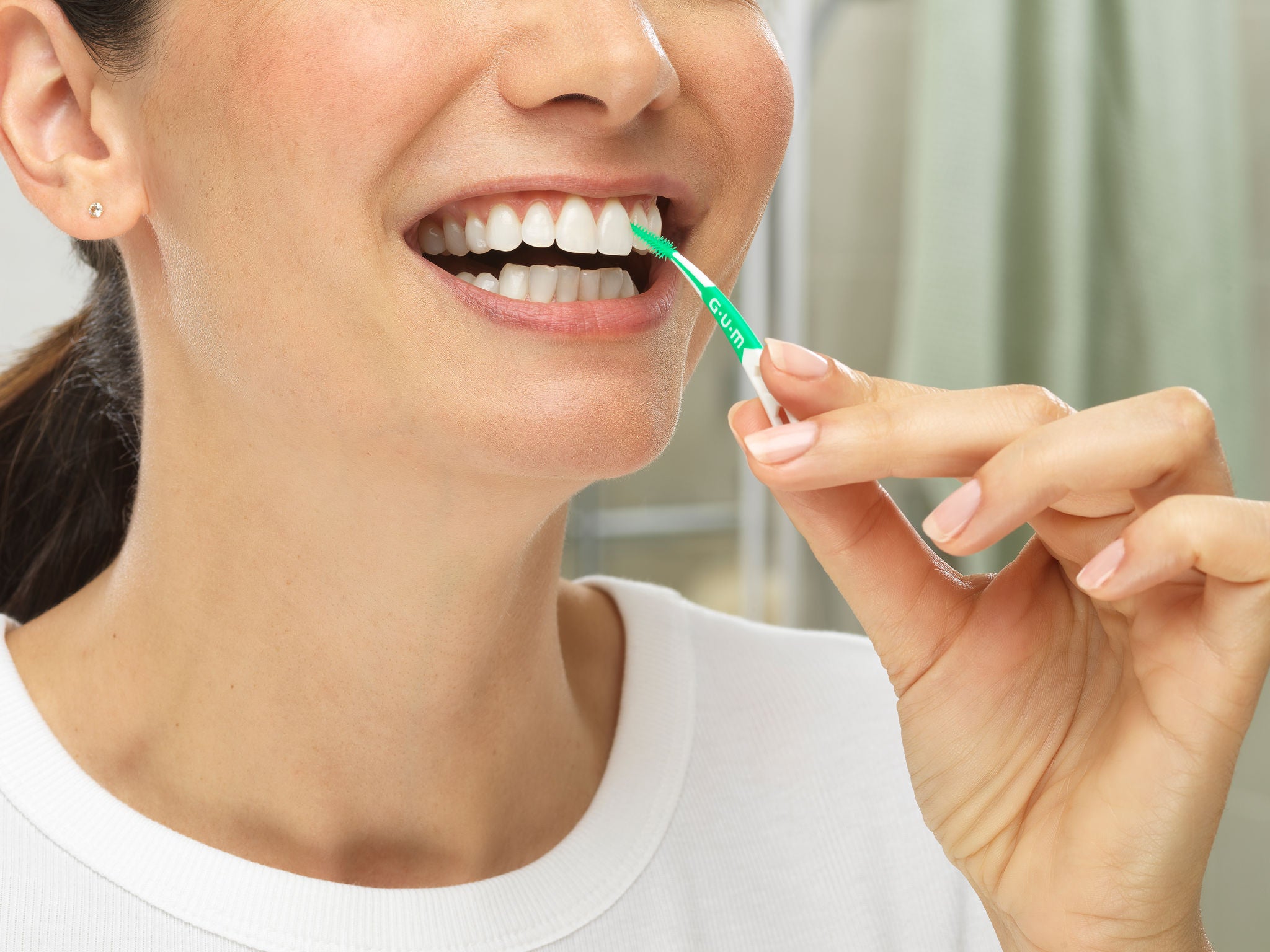
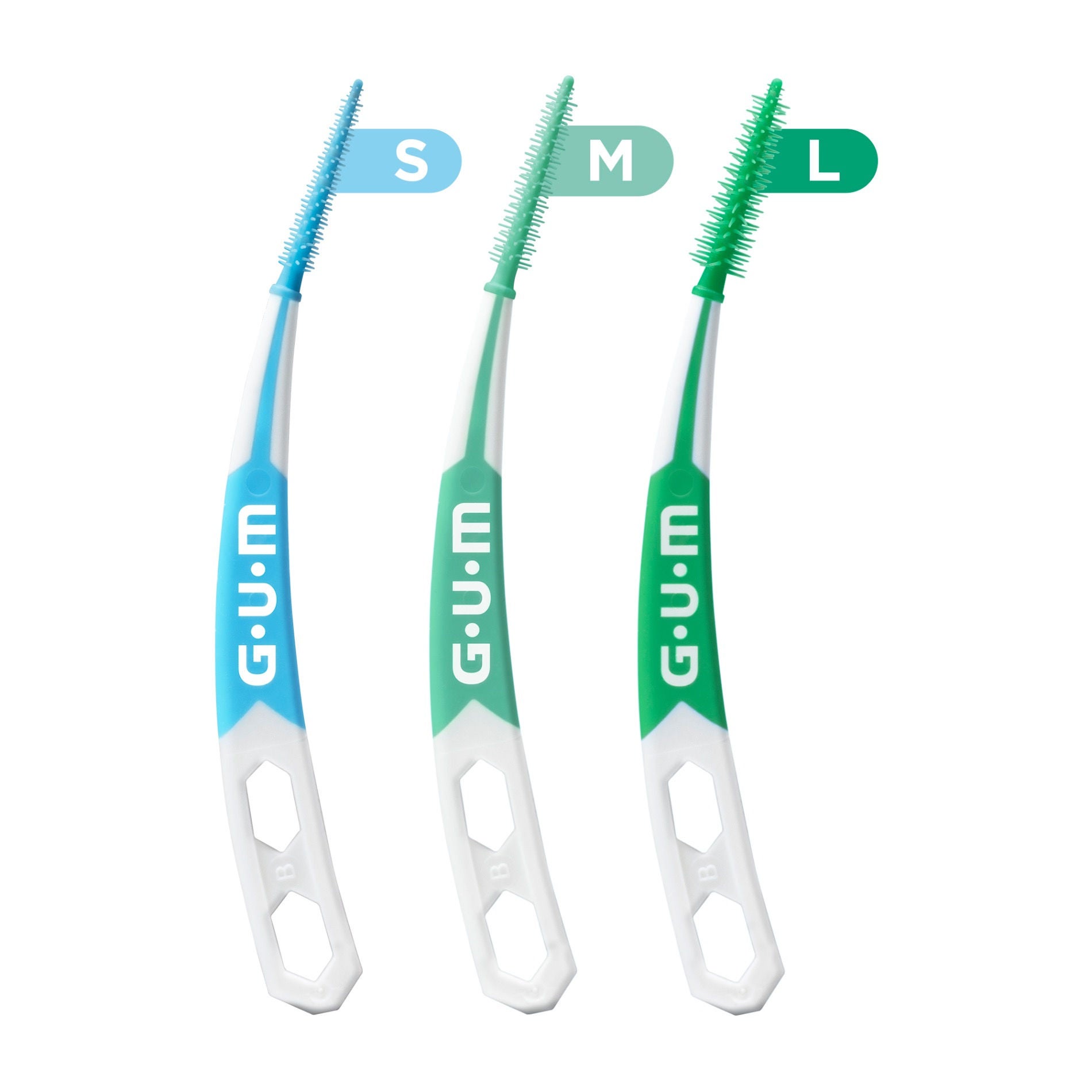
Plaque loves to hide where bristles can't reach. Daily interdental cleaning is an effective way to help reduce inflammation and bleeding. Tools such as GUM® SOFT-PICKS® PRO can help gently remove buildup, making them a good option for tender gums or for those new to cleaning between teeth.
Brush gently with soft or ultra-soft bristles
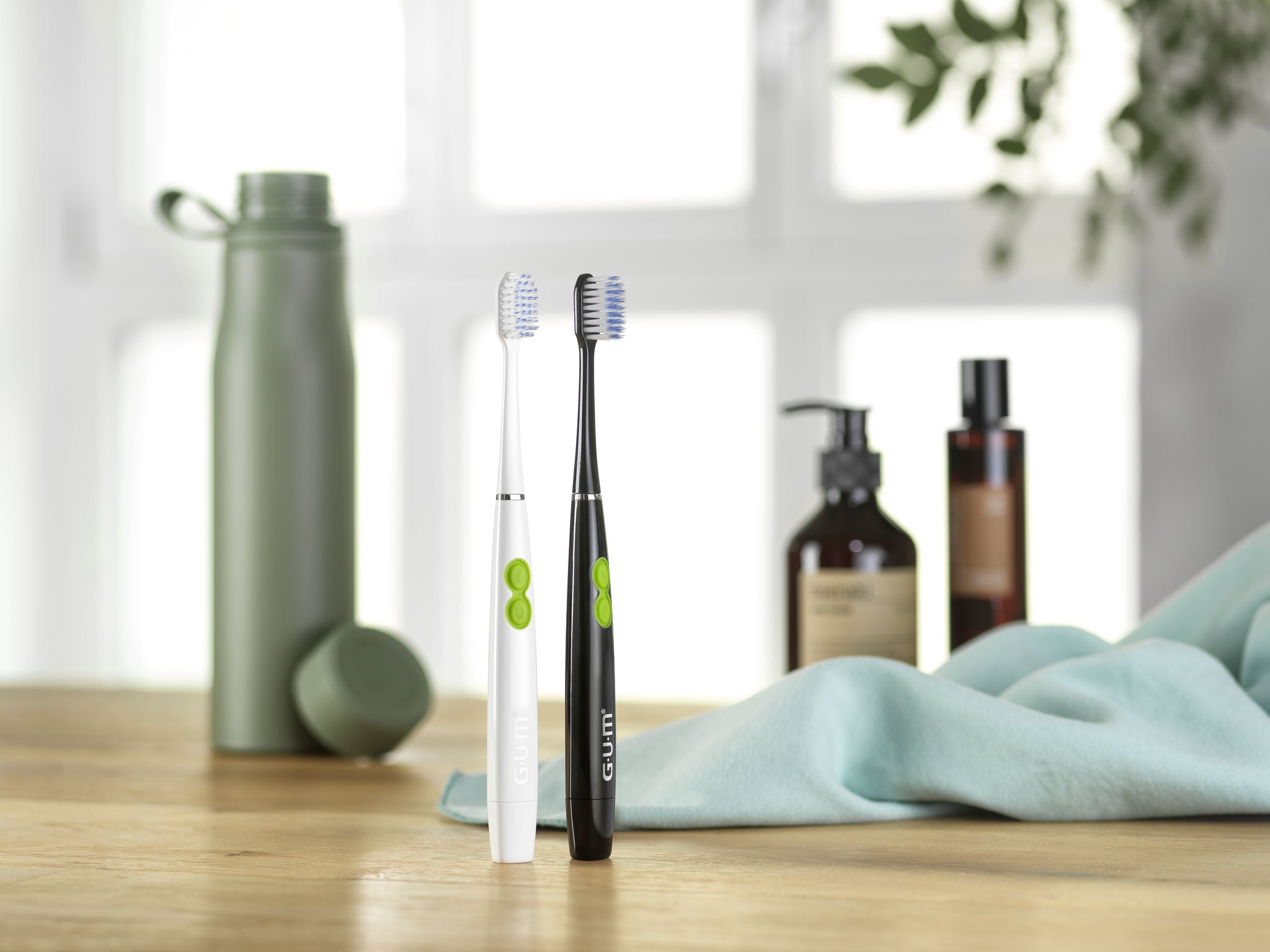
Choose a toothbrush designed to be kind to the gums, such as the GUM PRO Toothbrush. Soft or ultra-soft bristles reach along the gumline without causing trauma. Using light, circular motions helps remove plaque while protecting the thin layer of tissue that keeps the gums sealed to the teeth.

Support healing with the right formulas
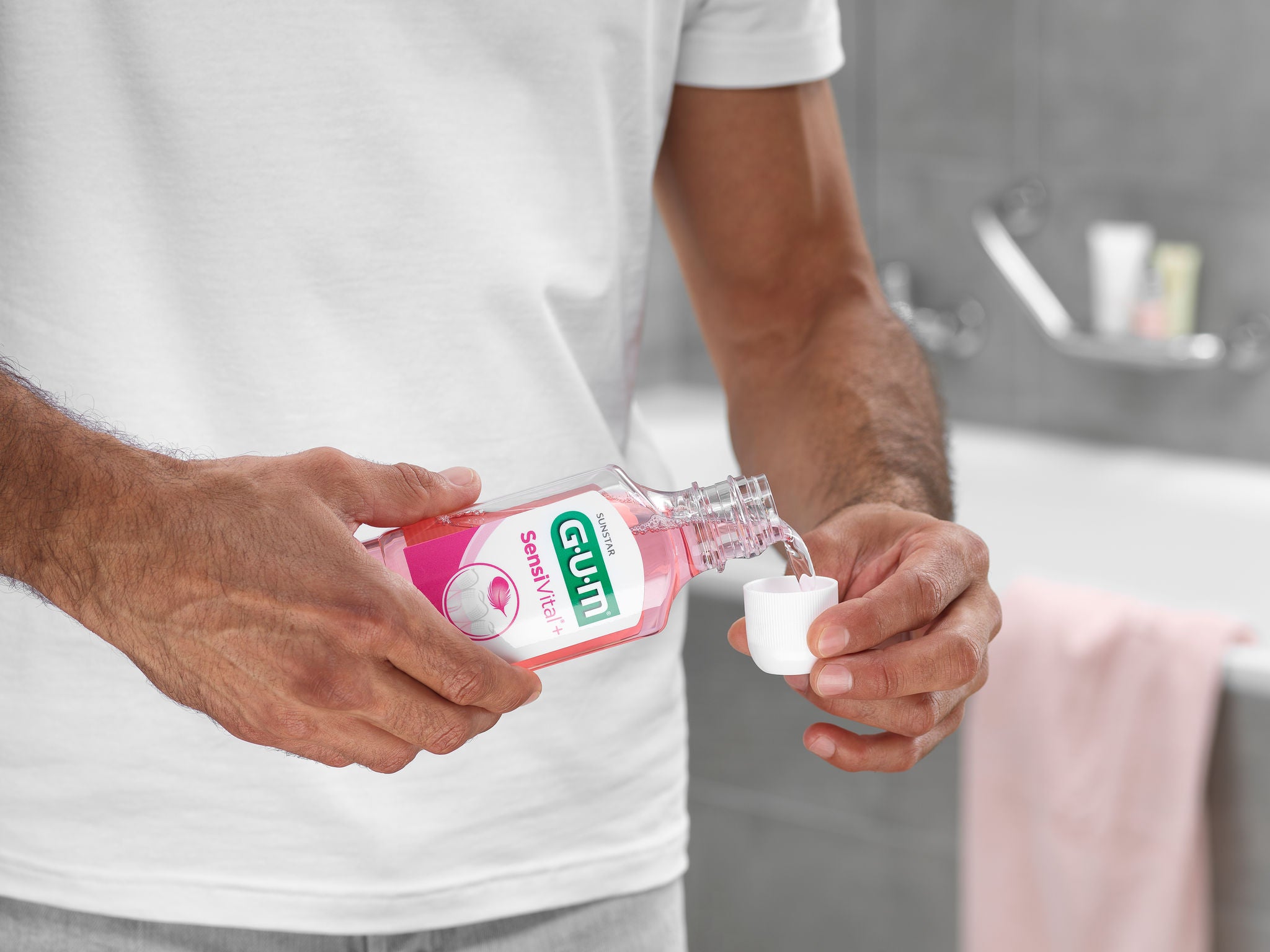
Products formulated for gum health can help calm inflammation and restore comfort. Look for toothpaste and mouthwash with antibacterial or anti-gingivitis ingredients to support healing and keep bacteria in check. However, always seek out your dental professional for advice, and use these products tactically and only when necessary. Some of them should only be used for a certain amount of time. Consistency matters more than force: the goal is a daily routine your gums can tolerate, not one that leaves them sore.
Don't pause your routine
When gums bleed, it's a sign they need more attention, not less. Skipping brushing or interdental cleaning allows bacteria to rebuild, worsening the irritation that caused the bleeding in the first place. Gentle, regular cleaning helps reverse this cycle and promotes stronger, more resilient gums over time.
Keep your gums healthy long term
Healthy gums are built through small, steady habits.
Think of gum care as ongoing maintenance for the body's natural barrier. By keeping plaque under control, you reduce inflammation, protect bone support, and strengthen the connection between teeth and gums over time.
Daily consistency, supported by the right tools, makes that care simple.
Explore GUM's line of brushes, picks, and interdental tools designed for comfort and effective plaque removal.
Related Articles
-
Deep Cleaning Teeth: What It Is & Why It Matters Learn what deep cleaning teeth means, how it supports gum and systemic health, and the at-home care that helps prevent gum disease.
-
How to Care for Your Gums at Home Learn how to care for your gums effectively at home with daily brushing, interdental tools, and healthy habits that help prevent gum disease.

-
At-Home Care for Gum Disease Explore care methods for gum disease. Understand periodontitis stages, learn essential at-home care strategies, and recognize when to seek professional help.