

Aug 17, 2026
- minute readminutes read
What Is Gum Inflammation? Causes, Symptoms and Treatment

Gum inflammation is a term many people have heard, often in connection with overall health. But what exactly is inflammation? How does it occur? Is it related to infection? And can it affect other parts of the body?
Inflammation is a complex biological process. This article explains what inflammation is and what it means for your gums, teeth and overall health.
What is gum inflammation?
Gum inflammation is the body’s immune response to plaque buildup along the gum line. It most commonly appears as red, swollen or bleeding gums and is often the earliest stage of gum disease, known as gingivitis. When treated early through proper oral hygiene and professional dental care, gum inflammation is typically reversible.
What are the symptoms of gum inflammation?
Common symptoms include:
- Red gums
- Swollen or tender gums
- Bleeding when brushing or flossing
- Persistent bad breath
What is acute inflammation and how does it work?
Remember the last time you burnt your tongue, pulled a muscle or had a sore throat? Well, believe it or not, these all have one thing in common: inflammation. When any of the body’s living tissues are damaged – through injury, germs, disease or a medical condition – an inflammatory-immune response is triggered to address the cause of damage and start the healing process.
When the body perceives a threat, it mobilizes immune cells that reside in body tissues. To get reinforcement, immune cells release substances known as inflammatory mediators that attract other immune cells to the area. These reinforcement cells travel through the bloodstream and cross the vessels to get into the damaged tissue. To facilitate this process, blood vessels become bigger and more permeable, which causes the affected area to become red, hot and swollen. This is known as acute inflammation.
Acute inflammation has two phases: the first involves fighting the cause of the damage and “cleaning up” the area, while the second focuses on reconstructing the damaged tissue. It’s important to note that the body cannot move into phase two if phase one is still ongoing.
Even though it can be painful and sometimes look alarming, acute inflammation is in fact a vital mechanism for your health and well-being. It is a vehicle to healing. Inflammation usually appears soon after the damage has occurred – within minutes or hours – and is typically short-lived, subsiding once the affected area is returned to a state of balance. It’s only when inflammation lingers and becomes chronic that it can become a burden for the body and your health.
Is gum disease the same as gut inflammation?
When we talk about “gum disease,” we are referring to inflammation of the gums. Gingivitis, which is early-stage gum disease, literally means “inflammation of the gingiva.” As previously explained, inflammation occurs when living tissues have been damaged. In the context of gum disease, damage is often caused by plaque and tartar build-up on the tooth surface, along the gum line. When the bacteria in plaque release toxins which come into contact with the gums, this triggers an inflammatory-immune response.
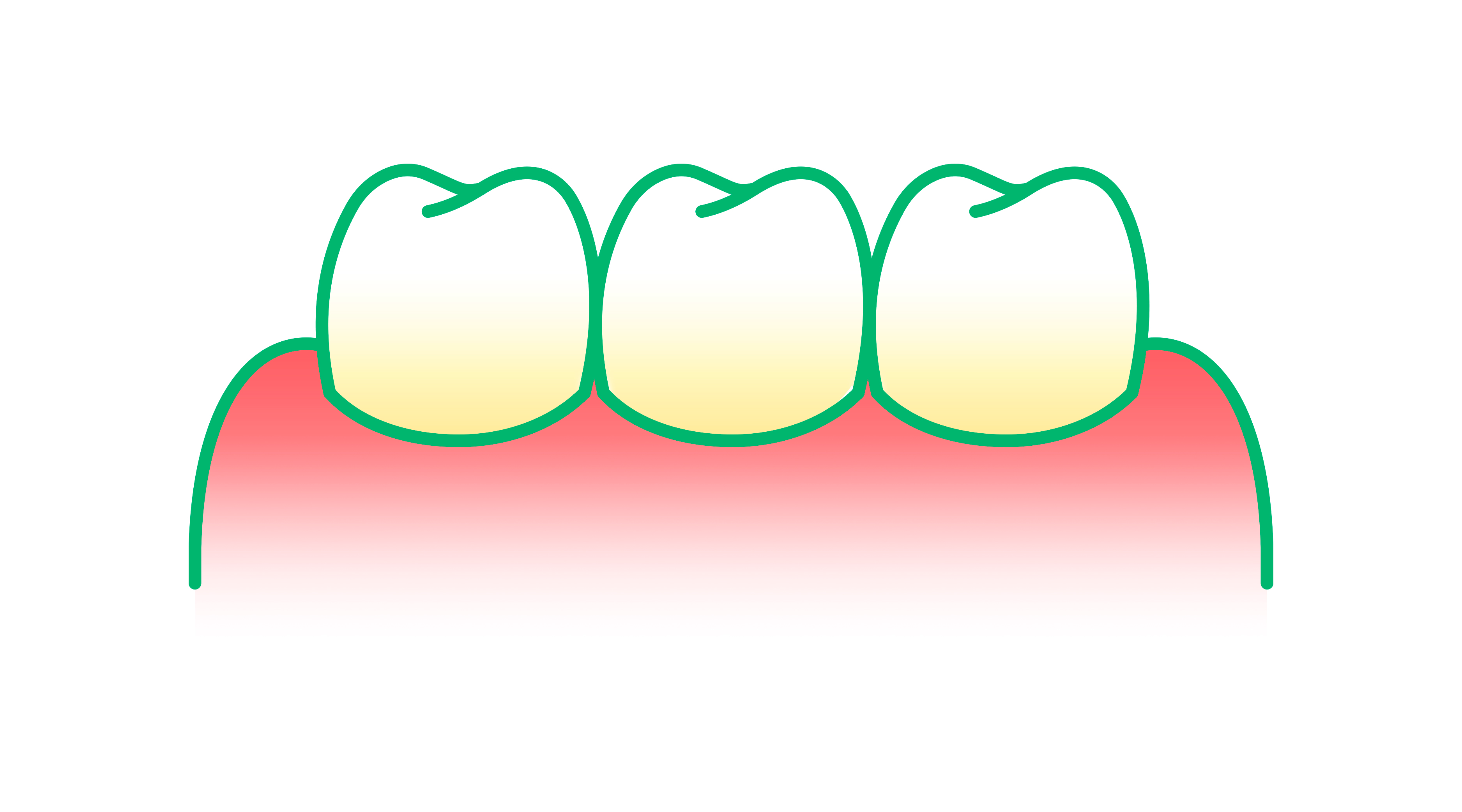
Acute inflammation is the body’s response to harmful stimuli – a defense mechanism. Your immune system cells will tend to the affected area to repair the damage. However, it is important to address the root cause – in most cases, plaque build-up – to prevent inflammation from lingering and getting worse.
From gingivitis to periodontitis
While gingivitis is a reversible condition affecting up to 90% of the world’s adult population, it can progress. If left untreated, what started with the minor signs of gum disease –- red gums, swollen gums, bleeding gums, bad breath –- can lead to a more severe form of gum disease known as periodontitis. This condition is characterized by chronic inflammation. Unlike acute inflammation. Unlike acute inflammation, which is short-lived and enables the healing process, chronic inflammation is persistent, inhibits healing and actually causes further damage [7].
With chronic inflammation, the first phase of “fighting and cleaning up” persists because the body is not able to address the initial cause of damage. In the case of periodontitis, that cause is the ongoing presence of plaque and bacteria. As long as this phase is active, the body cannot move on to the second phase and reconstruct tissue.
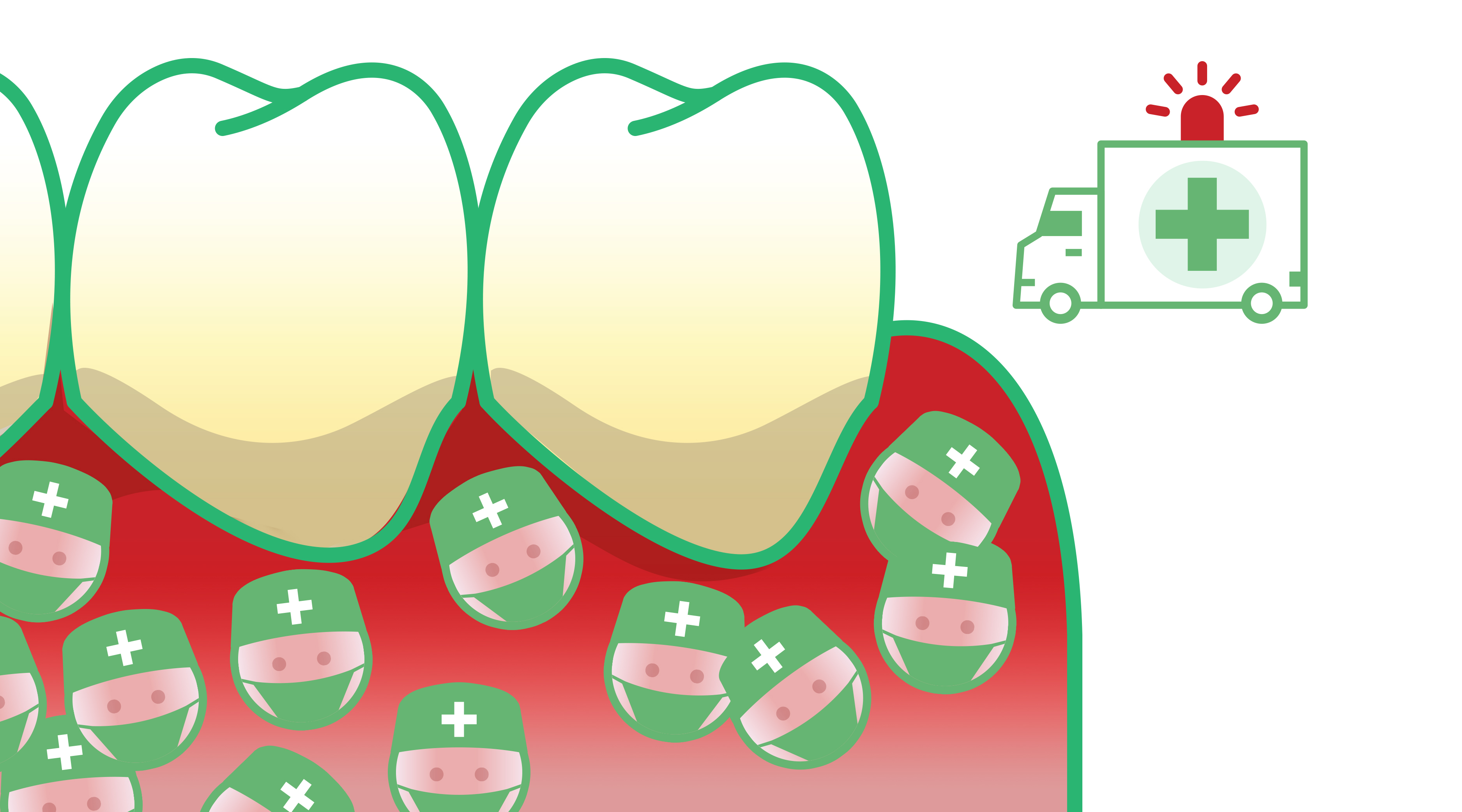
Over time, persistent inflammation and the absence of reconstruction cause gums to pull away from the tooth and form pockets. Unlike healthy gums which act as a physical barrier, inflamed gums allow the attack from bacteria to heighten.
It becomes easier for bacteria to enter the tissue and “feed” the inflammation. With the immune cells involved in an ongoing battle against bacteria, the inflammation becomes self-perpetuating and the body goes into “inflammation overdrive”.
Eventually, the immune cells’ efforts to kill the bacteria will also cause damage to the tissue. With periodontitis, the bone and tissues supporting the teeth end up being destroyed. This damage is irreversible and requires professional intervention to prevent eventual tooth loss.
How chronic gum inflammation may affect overall health
Periodontitis can have significant consequences for oral health. Research also suggests it may be associated with certain systemic conditions. Inflammatory processes in one part of the body can cause or aggravate inflammation elsewhere. There is a proven relationship between oral and general health problems. Studies have produced interesting evidence relating to the link between periodontitis and heart attacks, diabetes and stroke.
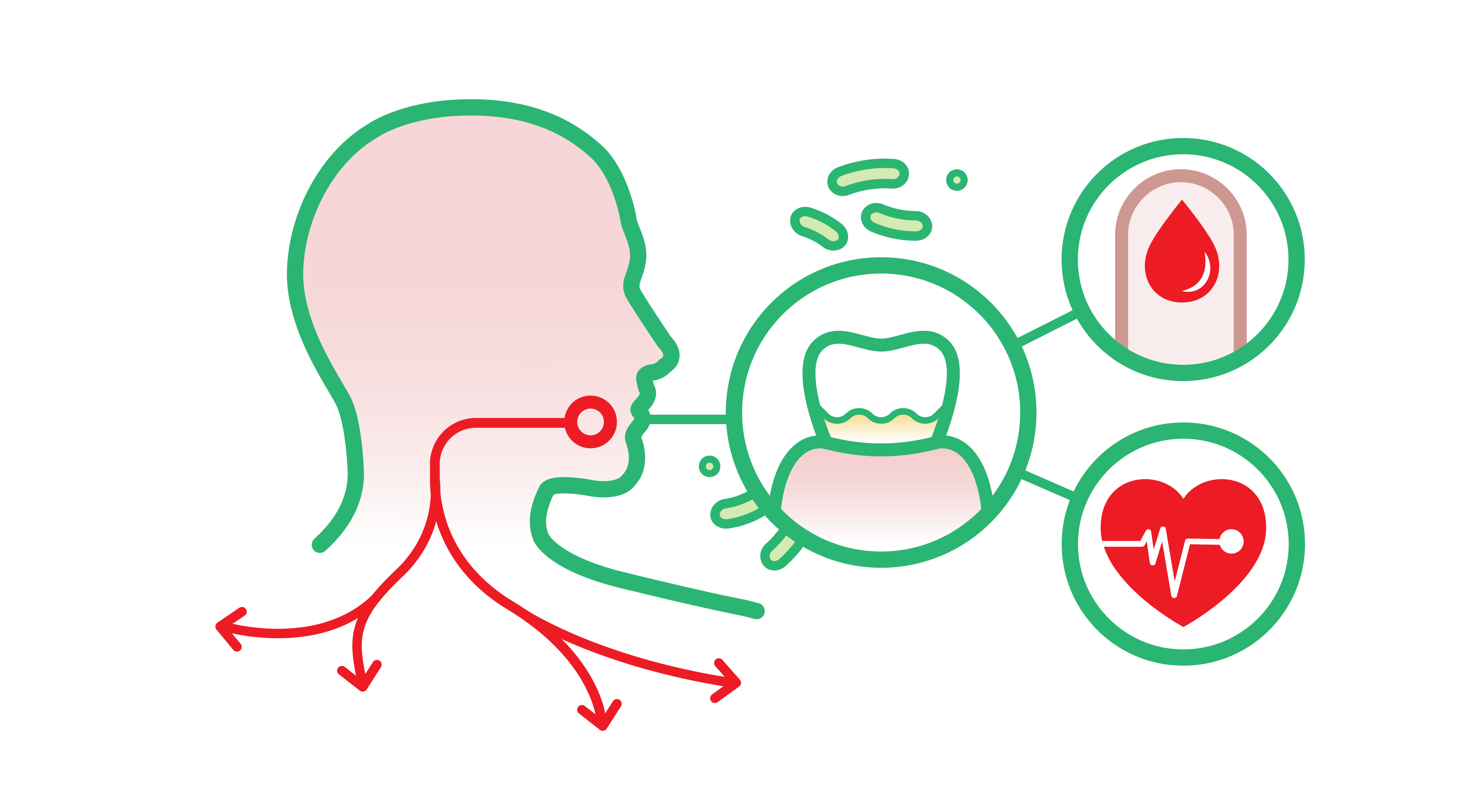
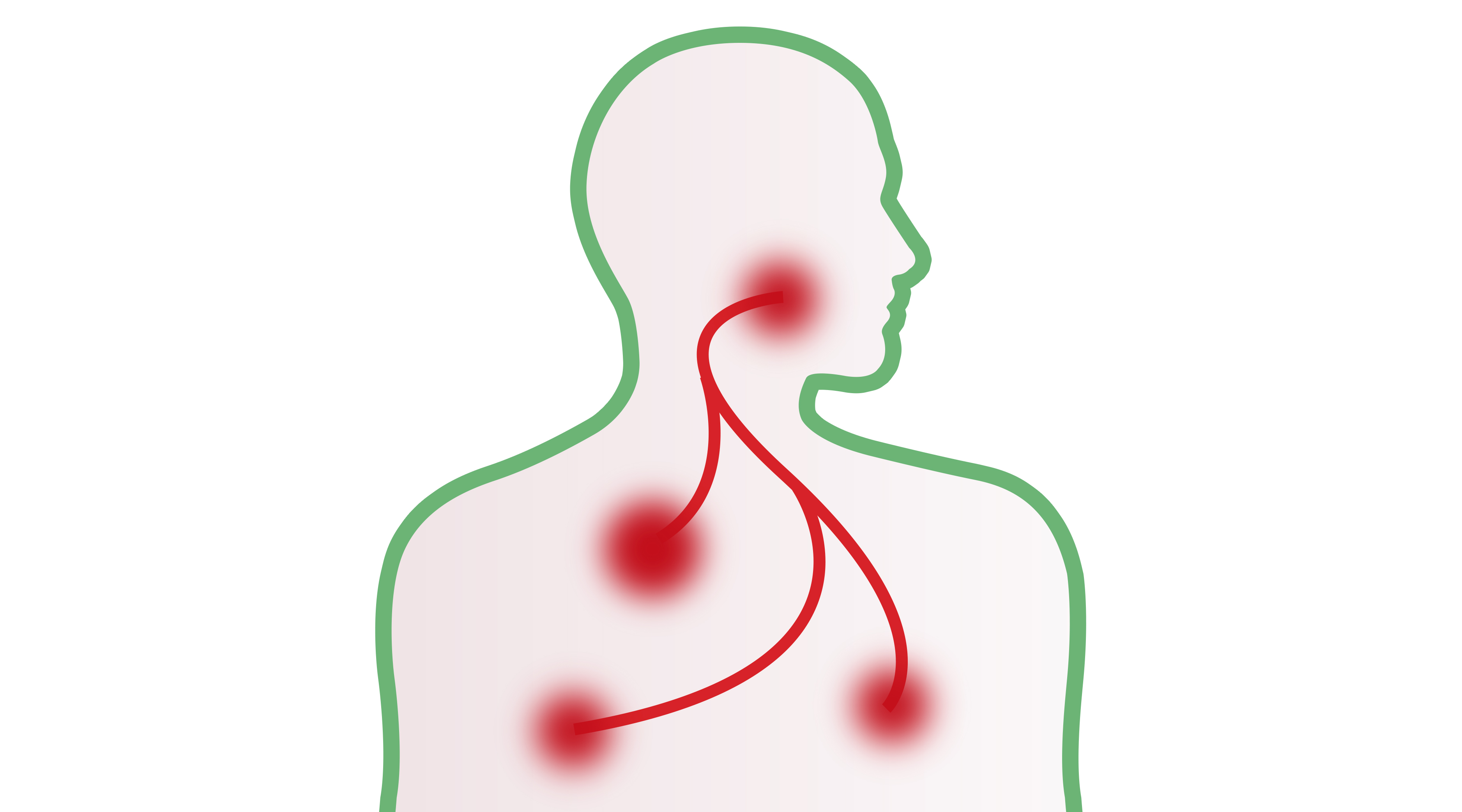
Periodontitis and a number of systemic diseases share a common inflammation pathway. Inflammation is a whole-body process. Immune cells and inflammatory mediators that circulate in the bloodstream may contribute to inflammatory responses in other tissues. For this reason, managing chronic inflammation is considered important for both oral and overall health.
Why treating gum inflammation early matters
You don’t just wake up one day with chronic gum disease. It usually starts off as mild inflammation of the gums. If gingivitis isn’t treated and its root cause addressed, it will linger, worsen, and eventually progress to periodontitis. But that shouldn’t happen to you if you take good care of your oral health!
Build-up of plaque around the gum line is one of the primary causes of gum inflammation.
Plaque is a sticky, colorless film of bacteria that constantly forms on teeth and along the gum line. It’s these bacteria that cause inflammation in the gums of susceptible individuals – the toxins they release come into contact with gum tissue, triggering an inflammatory-immune response. Plaque formation is an ongoing process. The good news is that you can easily take action.
How to treat and prevent gum inflammation at home
If you have early signs of gum inflammation or are looking to prevent it, plaque removal should be your top priority. The most important step to folllow is a complete oral care routine. This includes brushing, interdental cleaning and rinsing to remove any leftover food particles.
Why interdental cleaning is essential for gum health
This is crucial. Plaque tends to accumulate between the teeth, so if you’re determined to keep your gums healthy, you’ll want to be really disciplined with this.
The good news is there are plenty of great tools to help you with this: interdental brushes, dental picks, or floss. Dental picks are really gentle on your teeth and gums, and super easy to use. Whichever tool you use, what matters most is that you do it every single day, before brushing ideally.

How to brush properly to reduce gum inflammation
You’re probably a good brusher already, but here are a few friendly reminders. Make sure you brush twice a day, for at least two minutes, using the appropriate technique.
Always be gentle and use a soft toothbrush to avoid huring your gums

Should you use mouthwash for gum inflammation?
We recommend using a non-aggressive mouthwash which will help fight plaque without irritating your gums. Don’t forget to pay a visit to your dental professional twice a year for a professional cleaning and personalized care.
Does sugar contribute to gum inflammation?

Any food you eat is going to contribute to plaque formation, but sugary food and drinks are by far the worst. Our advice: limit your sugar intake if possible. If you have a sweet tooth, we suggest brushing your teeth after eating or drinking anything sugary. Raw, crunchy fruit and vegetables can also help dislodge plaque and food debris from between your teeth, so bear that in mind next time you have the choice between a celery stick and a chocolate bar! Chewing gum can also do the trick.
Risk factors that increase your chance of gum disease
Plaque is the number one cause of inflammation, but that doesn’t mean other factors don’t come into play. Smoking, stress, genetics, systemic diseases such as diabetes, pregnancy and use of certain medication can increase your risks of developing gum inflammation. While these factors aren’t all within your control, it’s good to be aware of them and to raise any concerns you might have with your dental team.
Key takeaways
- Acute inflammation is the body’s response to harmful stimuli – it enables the healing process of damaged tissues and then disappears. Chronic inflammation is persistent and self-perpetuating – it inhibits the healing process and causes further damage in the body. Make sure you address the root cause of acute inflammation to prevent it from lingering and getting worse.
- Chronic inflammation can spread, starting off in one part of the body and aggravating inflammation in another. There is a proven relationship between periodontitis and systemic conditions such as heart attacks, stroke and diabetes. The better you protect your oral health, the better you protect your overall health.
- Gum inflammation often appears due to a build-up of plaque around the gum line. You can help prevent this by following a 3-step oral care routine and visiting your dental professional twice a year.
Build a stronger oral hygiene routine
Managing gum inflammation starts with consistent daily care.
Follow our complete step-by-step checklist to make sure you’re covering brushing, interdental cleaning and rinsing the right way.
Related Articles
-
Gingivitis: Why Caring for Your Gum Health Matters Gum health is key to overall health. Prevent gum disease with self-care by removing plaque and stopping build-up for healthier gums and a healthier you.
-
The Difference Between Sensitive Gums, Sore Gums, Gingivitis, and Gum Disease Discover the differences between sensitive gums, inflamed gums, gingivitis and gum disease. Learn how to protect your oral health with expert tips and advice.

-
Deep Cleaning Teeth: What It Is & Why It Matters Learn what deep cleaning teeth means, how it supports gum and systemic health, and the at-home care that helps prevent gum disease.

-
Gum Inflammation and Disease Explained Learn what gum inflammation is, its causes and symptoms, how it relates to gum disease and what you can do to treat and prevent it.
-
How to Care for Your Gums at Home Learn how to care for your gums effectively at home with daily brushing, interdental tools, and healthy habits that help prevent gum disease.

-
Gum Disease Definition and Causes Prevent gum disease and gum infection with our oral care products and routines. Learn about the signs, causes, and prevention of periodontal disease
