

Dec 17, 2025
- minute readminutes read
Understanding the Impact of Sugar On Oral Health
Sugar is a type of carbohydrate that is naturally present in many foods and beverages. It is a simple form of energy that our bodies use for a variety of functions, including providing fuel for our cells and organs.

We need a certain amount of sugar in our diets, but not all sugars are equal. Some have a negative impact on our oral health and our whole body health.
In this post, we explain the difference between healthy and unhealthy sugars, and why sugar consumption has such a significant impact on oral health.
Healthy and unhealthy sugars: What’s the difference?
The distinction between healthy sugars and unhealthy sugars lies in their sources and effects on our overall health.
Healthy sugars are those found naturally in whole foods like fruits, vegetables, and dairy products. These sugars come with with essential nutrients, dietary fiber, and water, which slow down their digestion and absorption, recuding spikes in blood sugar levels.
On the other hand, unhealthy sugars refer to added sugars found in processed foods, sugary beverages, and desserts. These sugars lack the nutritional benefits of whole foods and are often rapidly absorbed, leading to abrupt spikes in blood sugar and potential weight gain.
The role of sugar in oral health
In the context of oral health, the term "sugar" often refers to added sugars, which are sugars that are not naturally present in a foods or beverages but are added during processing or preparation. These added sugars can be found in a wide range of products, including sugary snacks, desserts, soft drinks and many processed foods.
How does sugar contribute to tooth decay?
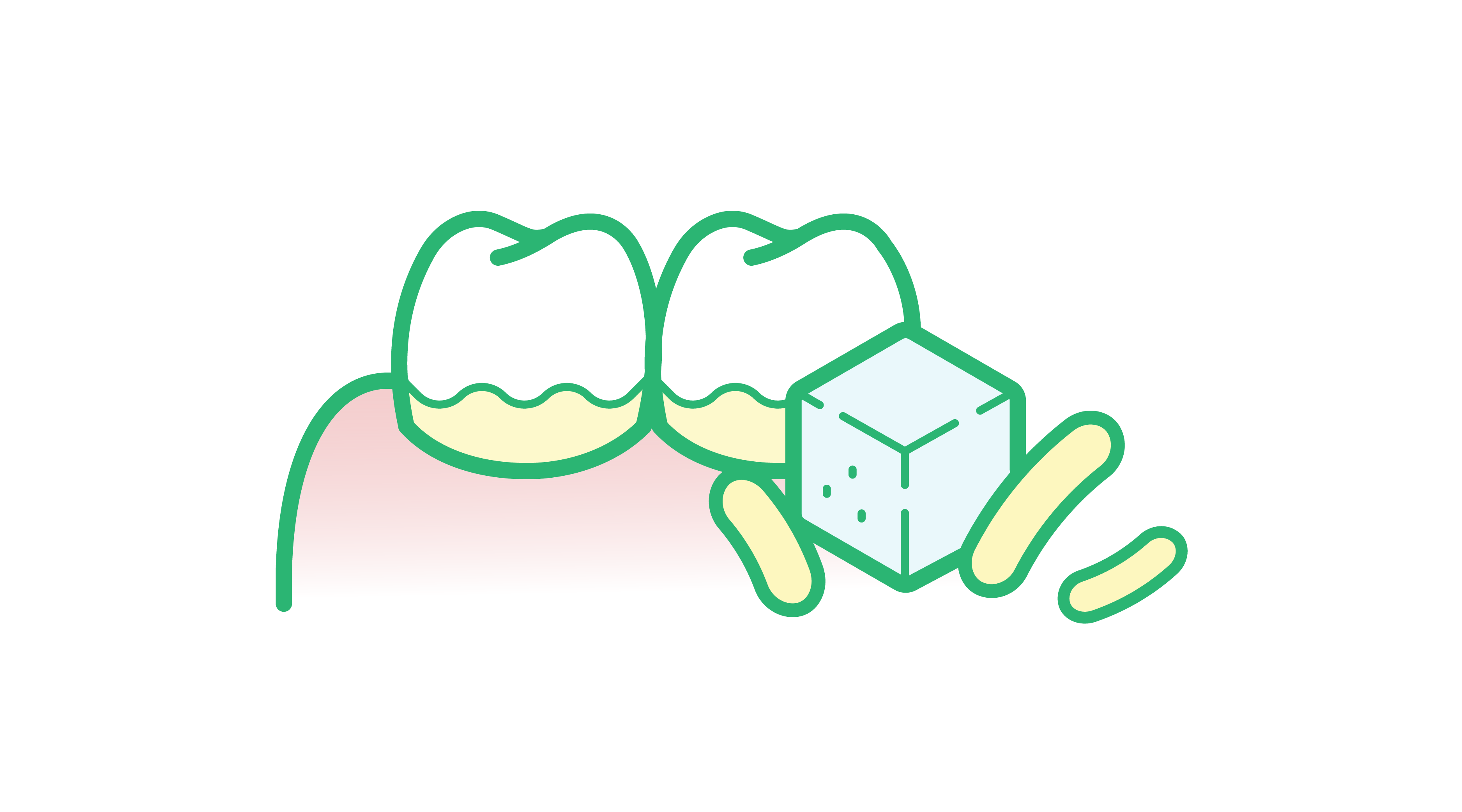
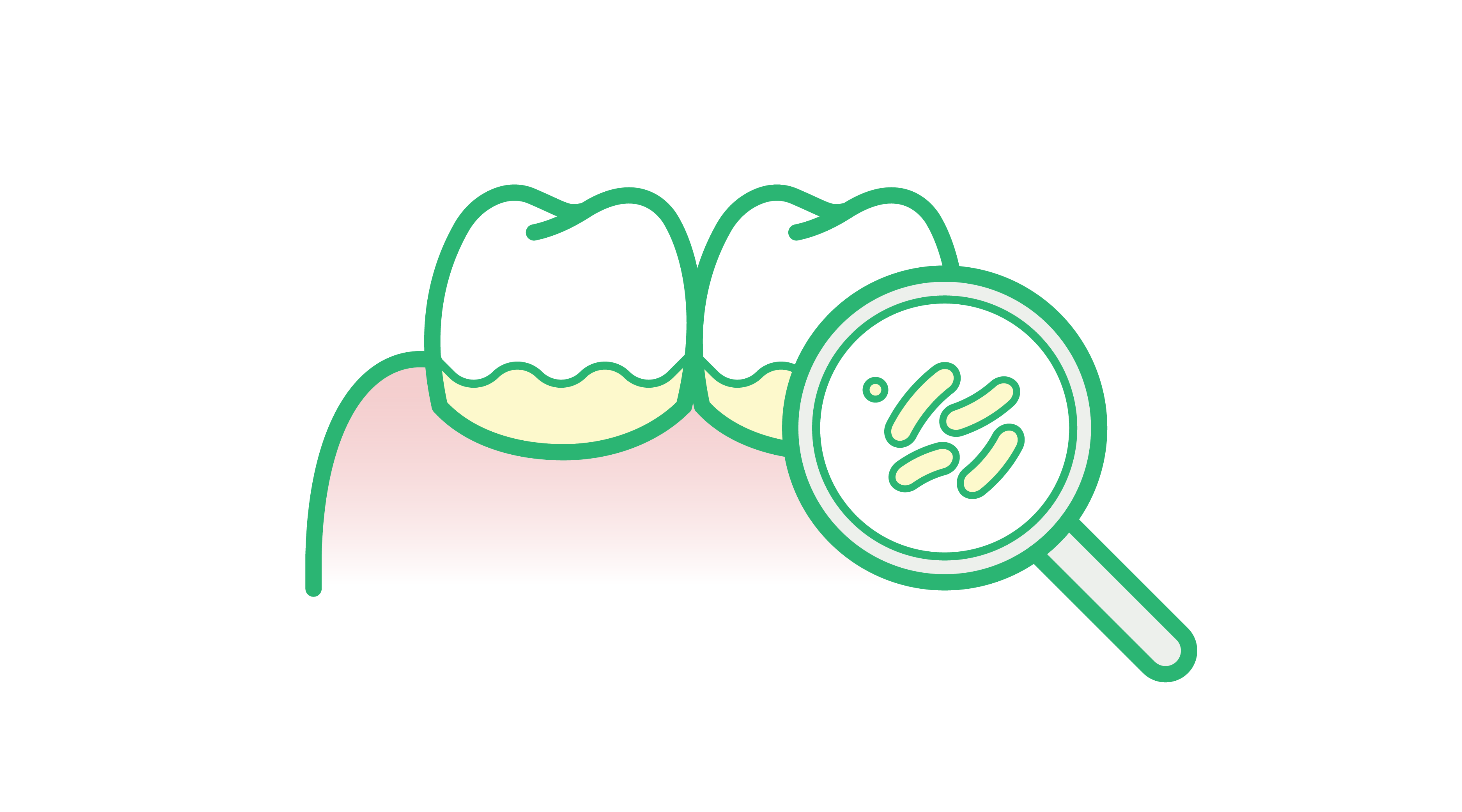
Sugar is a primary driver of tooth decay. When you consume sugary foods and beverages, harmful bacteria in your mouth feed on these sugars.
This feeding process leads to the production of acids that attack the enamel of your teeth. Sugars from processed foods like candies, chocolates, sugary cereals, and sweet snacks are especially problematic because they provide an abundant, readily available food source for these bacteria.
Is sugar intake linked with gum disease?
The link between sugar intake and the development of gum disease is less clear, as it involves a wider array of bacteria than those that cause tooth decay. There is, however, an indirect association through conditions such as obesity and diabetes. High sugar intake can cause spikes in blood sugar levels, which may lead to a systemic inflammatory state. This, in turn, is very likely to increase the risk of gum disease.
How can sugar make your teeth sensitive?
Over time, the erosion of tooth enamel can lead to the exposure of dentin, a softer tissue underneath the enamel that contains microscopic tubules connecting to the tooth's nerve center.
As the dentin becomes exposed, sensations like hot, cold, sweet, or acidic stimuli can trigger discomfort or pain, resulting in tooth sensitivity.
The link between sugar, oral health, and diabetes
As mentioned, the relationship between sugar, oral health, and diabetes is complex and has significant implications for overall well-being.
Excessive sugar consumption not only contributes to tooth decay and possibly to gum disease, but also raises the risk of developing obesity and type 2 diabetes.
High sugar intake can lead to insulin resistance, a hallmark of diabetes, which affects the body's ability to regulate blood sugar levels effectively. Individuals with diabetes are more susceptible to oral health issues because altered blood sugar levels can compromise immune responses and foster the growth of harmful bacteria in the mouth.
Understanding this relationship underscores the importance of managing sugar consumption, maintaining proper oral hygiene practices, and effectively managing diabetes to ensure optimal oral and overall health.
Dietary choices that reduce your risk of tooth decay
To safeguard your oral health, it's wise to cut back on foods and beverages containing free sugars. These include sweets, chocolates, sugary cereals, jams, and sugary drinks. Free sugars fuel harmful bacteria in your mouth, leading to tooth decay.
On the other hand, natural sugars present in whole fruits and vegetables are less concerning. When sugars are enclosed within the structure of these foods, their impact on your teeth is less severe. Chewing fruits and vegetables also promotes saliva production, which helps neutralize acids and cleanse your mouth.
So when choosing snacks or drinks, opt for whole fruits and vegetables whenever possible. Their natural sugars come with built-in benefits for your oral health, helping reduce the risk of tooth decay. As always, enjoy them in moderation.


Safeguarding your oral health
It’s important to understand that the main problem with sugar consumption is tooth decay, not tooth sensitivity. Sugar-related tooth sensitivity is a secondary issue. That’s why preventing tooth decay should take priority in your oral health journey.
Repairing and preventing sugar-related tooth decay
Tooth decay is the primary dental issue caused by excess sugar intake. Here are key steps to help repair and prevent sugar-related tooth decay:
- Dental consultation: Schedule a dentist appointment to assess and treat any existing tooth decay.
- Reduce sugar intake: The first line of defense against tooth decay is reducing your sugar consumption. Limit the consumption of sugary foods and beverages, especially between meals. This helps minimize the exposure of your teeth to harmful sugars that can lead to decay.
- Maintain consistent oral hygiene: Clean between your teeth, brush, and use a mouth rinse twice daily. This routine helps remove food particles and plaque, preventing the formation of acids that contribute to tooth decay.
- Use fluoride products: Consider using toothpaste and mouthwash that contain fluoride. Fluoride strengthens enamel, making it more resistant to acid attacks and decay.
- Regular dental cleanings: Schedule regular dental check-ups and cleanings. Your dentist can detect early signs of decay and provide professional cleanings to remove plaque and tartar buildup, reducing the risk of cavities.
Discover GUM® products to help you maintain a consistent, personalized oral care routine
Treating sugar-related tooth sensitivity
If tooth sensitivity is caused by minor enamel erosion, it may be reversible. Using desensitizing toothpaste, maintaining good oral hygiene practices, and avoiding foods and drinks that trigger sensitivity can help relieve symptoms over time.
However, if the sensitivity is due to more severe enamel loss or underlying dental issues, complete reversal may not be possible. In these cases, a dentist can provide guidance on managing the condition and preventing further damage. It’s important to consult a dental professional to determine the cause of your tooth sensitivity and receive appropriate recommendations for treatment and prevention.
When enamel erosion is more significant, steps can be taken to manage and minimize sensitivity. Your dentist may recommend treatments such as fluoride varnishes, dental sealants, or dental restorations to protect exposed areas of the tooth. These measures can help reduce sensitivity by providing a barrier to the dentin and preventing further erosion.
Treating tooth sensitivity at home
- Practice a complete oral care routine: Stick to brushing twice a day with fluoride toothpaste. This helps remove sugars and plaque that can lead to decay.
- Choose the right toothpaste and mouthwash: Select oral care products formulated to address sensitivity, such as toothpaste and mouth rinse. These often contain ingredients like potassium nitrate or strontium chloride, which help reduce nerve sensitivity and support enamel.
- Choose the right toothbrush: Opt for a toothbrush with soft bristles to minimize irritation to sensitive areas. Use gentle brushing techniques and make sure your toothbrush doesn’t worsen sensitivity.
- Visit your dentist regularly: Schedule regular dental appointments to catch potential issues early. Your dentist can provide personalized guidance on managing tooth sensitivity and protecting your overall oral health.
Discover GUM® products to help you manage tooth sensitivity at home
Related Articles
-
Nutrition & oral health: which foods are good for your teeth? Learn which foods protect your teeth and gums, which ones to avoid, and how your daily diet affects your oral health.
-
Children’s Dental Health Care: What You Should Know Building good dental care habits early sets children up for a lifetime of healthy teeth and gums. Discover age-specific tips for optimal oral health.

-
How to Care for Your Gums at Home Learn how to care for your gums effectively at home with daily brushing, interdental tools, and healthy habits that help prevent gum disease.
