Deep Cleaning Teeth Aftercare & Healing Tips
After a professional deep cleaning, your gums begin an important phase of recovery. It's common to notice mild soreness, swelling, or sensitivity for a few days — signs that your body is healing and reestablishing a healthy seal around each tooth. With the right care, this period of tenderness gives way to stronger, more resilient gums.
This guide explains what to expect in the days following treatment and how to support your mouth's natural healing process at home.
What happens during a deep cleaning
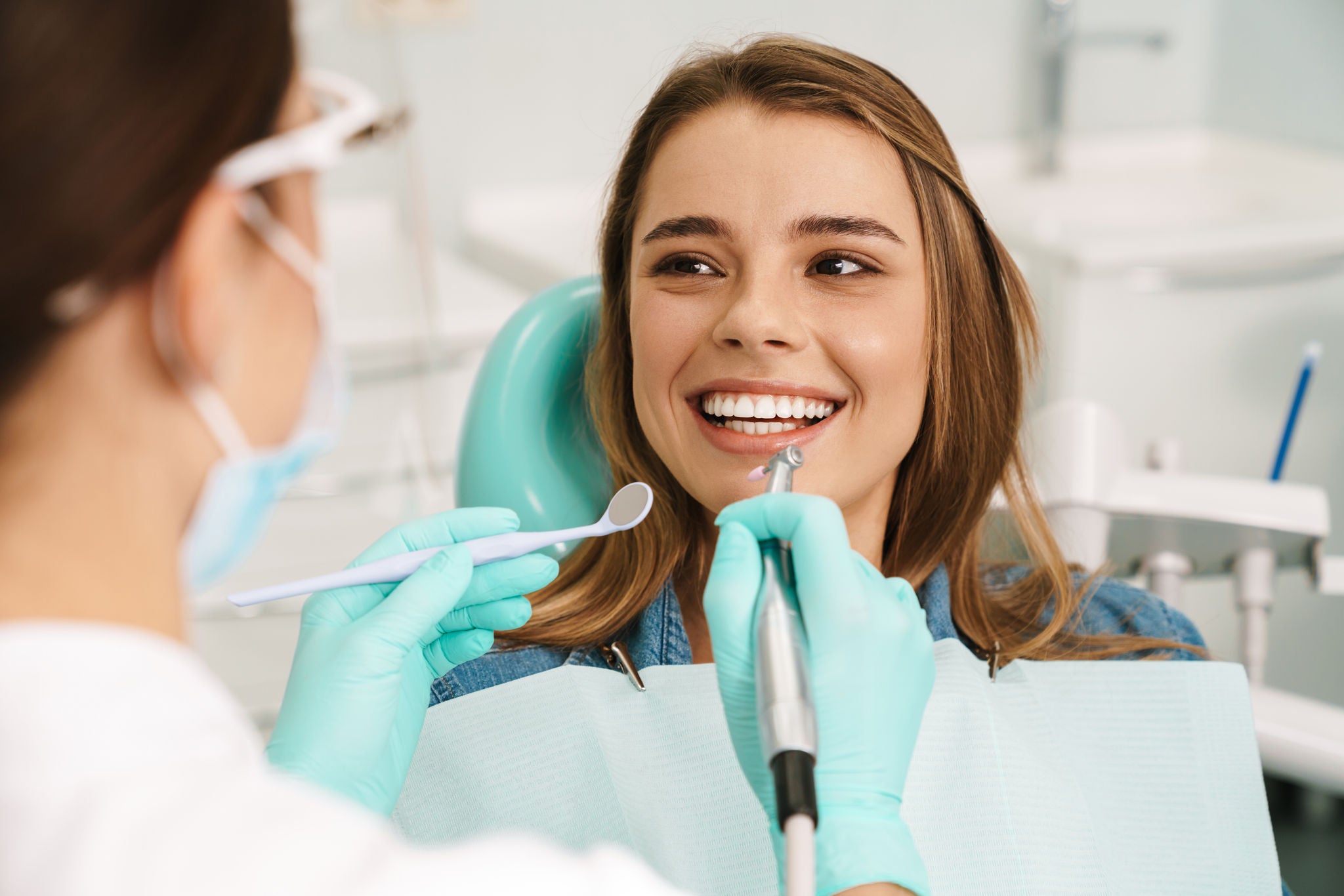
During a deep cleaning, your dental professional focuses on removing the buildup that fuels inflammation below the gumline. Using ultrasonic or manual instruments, they carefully clear away hardened plaque and tartar from the roots of the teeth in a process called scaling. Once these deposits are removed, the root surfaces are smoothed, or planed, to make it harder for bacteria to cling and easier for gum tissue to reattach.
How long does it take to heal after a deep cleaning?
Healing time varies from person to person. Most patients notice tenderness easing within two or three days, while gum tissue continues to tighten and reattach over several weeks. Gentle daily care, good hygiene, and regular follow-ups help ensure the gums heal completely and stay healthy long term.
Side effects and changes after professional deep cleaning
Most side effects improve within a few days and are signs that recovery is underway. Understanding what's typical can help you stay comfortable and confident during this stage of healing.
Tenderness during the first few days
It's common for your gums to feel sore or slightly swollen after treatment. As the inflammation subsides, circulation improves and the gums regain their natural pink tone and firmness.
Temporary sensitivity after cleaning
Many people notice brief sensitivity to hot or cold foods, or to brushing and chewing. This happens because deep cleaning can expose areas of the tooth root that were previously covered by plaque or swollen tissue. The exposed surfaces transmit temperature and pressure more readily to the inner nerve, creating a short-lived twinge or ache. As the gums reattach and the roots are once again protected, this sensitivity should gradually fade.
Minor bleeding as gums heal
Slight bleeding or puffiness for the first 24 to 48 hours is a normal part of healing. The gum tissue has been stimulated during treatment, and increased blood flow helps deliver the oxygen and nutrients needed for repair. You should see steady improvement each day.
If bleeding becomes heavy, persists beyond a few days, or is accompanied by pain or swelling that worsens instead of improving, contact your dentist for guidance. They can check for trapped debris or residual inflammation that may need attention.
A noticeably fresher mouth
As bacteria and buildup are removed, many patients notice their mouth feels cleaner and fresher than it has in a long time. This is a sign that bacterial activity has been reduced and that your oral environment is rebalancing.
Gentle at-home care after professional deep cleaning
The first few days after a deep cleaning are an important time for your gums to rest and recover. A gentle routine helps control bacteria, ease discomfort, and create the right conditions for healing. Always follow the specific aftercare instructions your dental professional provides, then use these general guidelines to keep your mouth clean and comfortable at home.
Be cautious during the first 24 hours
Wait until any numbness from anesthesia fully wears off before eating or drinking to avoid biting the tongue or cheeks. Choose soft foods and avoid anything very hot, cold, or spicy, which can irritate sensitive tissue.
Brush softly, not less
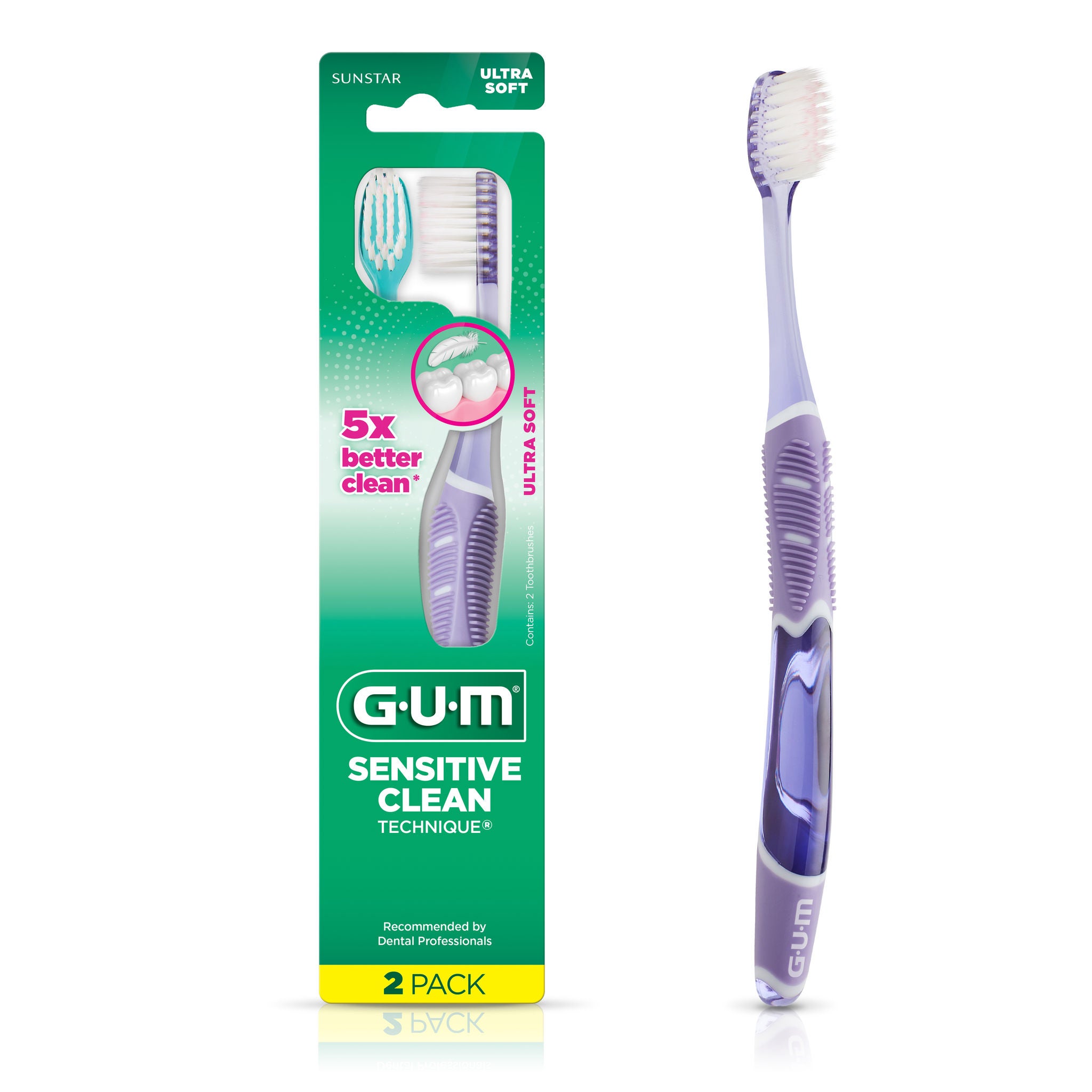
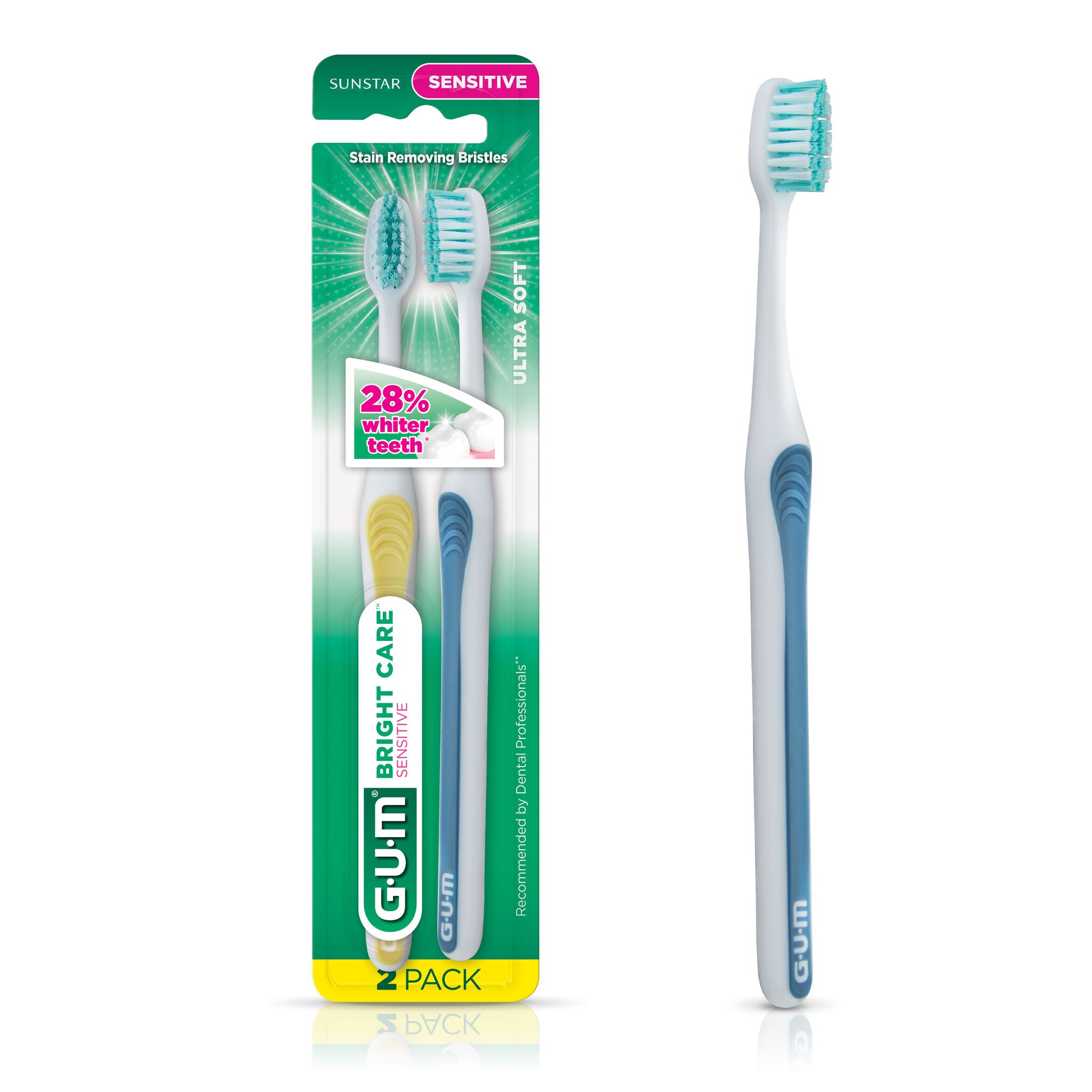
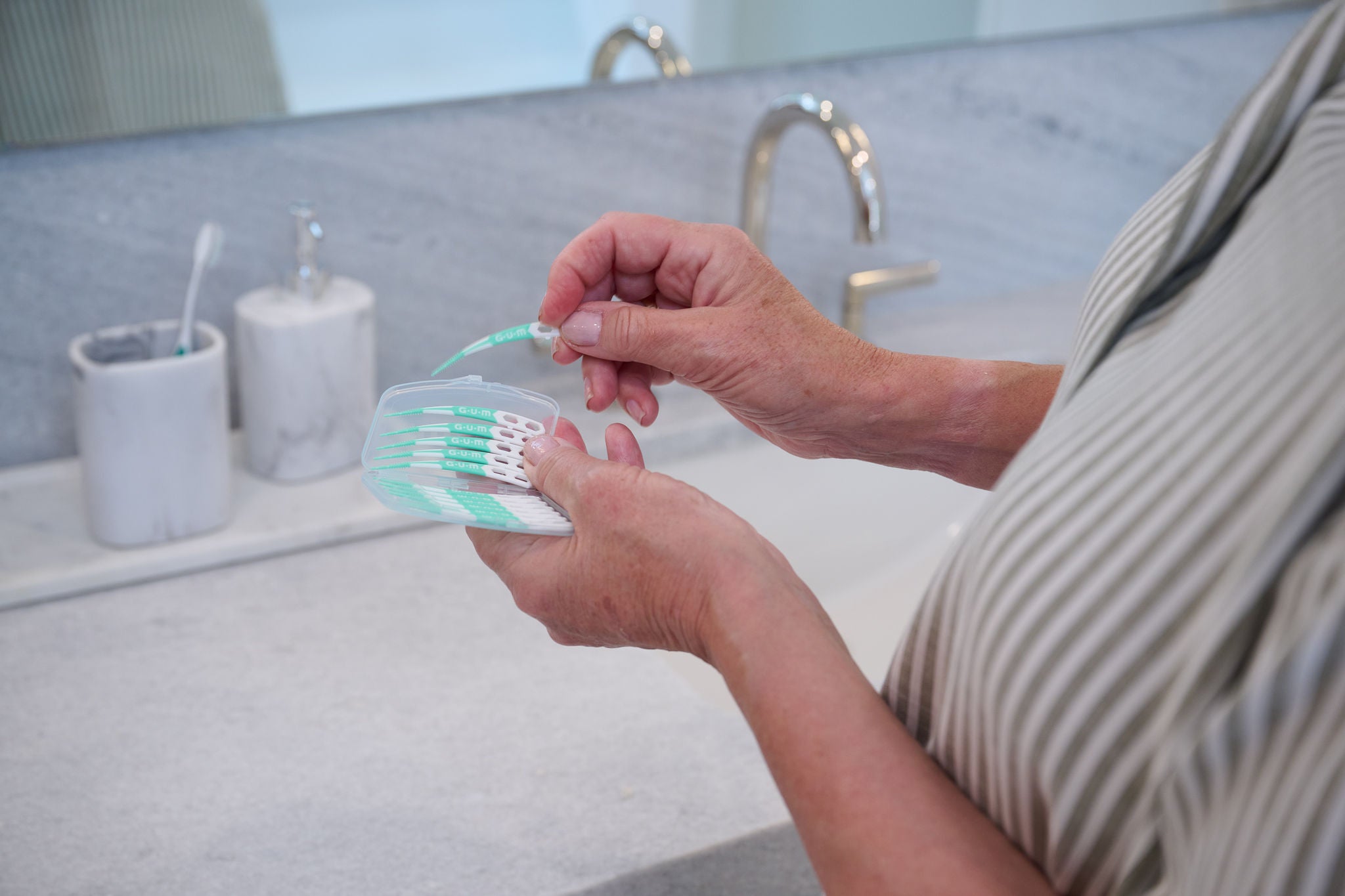
Continue brushing twice a day, but with a light touch. A soft or ultra-soft toothbrush can remove debris without aggravating tender tissue. Use small, circular motions and focus on keeping the gumline clean rather than applying pressure.

Clean between teeth with comfort in mind
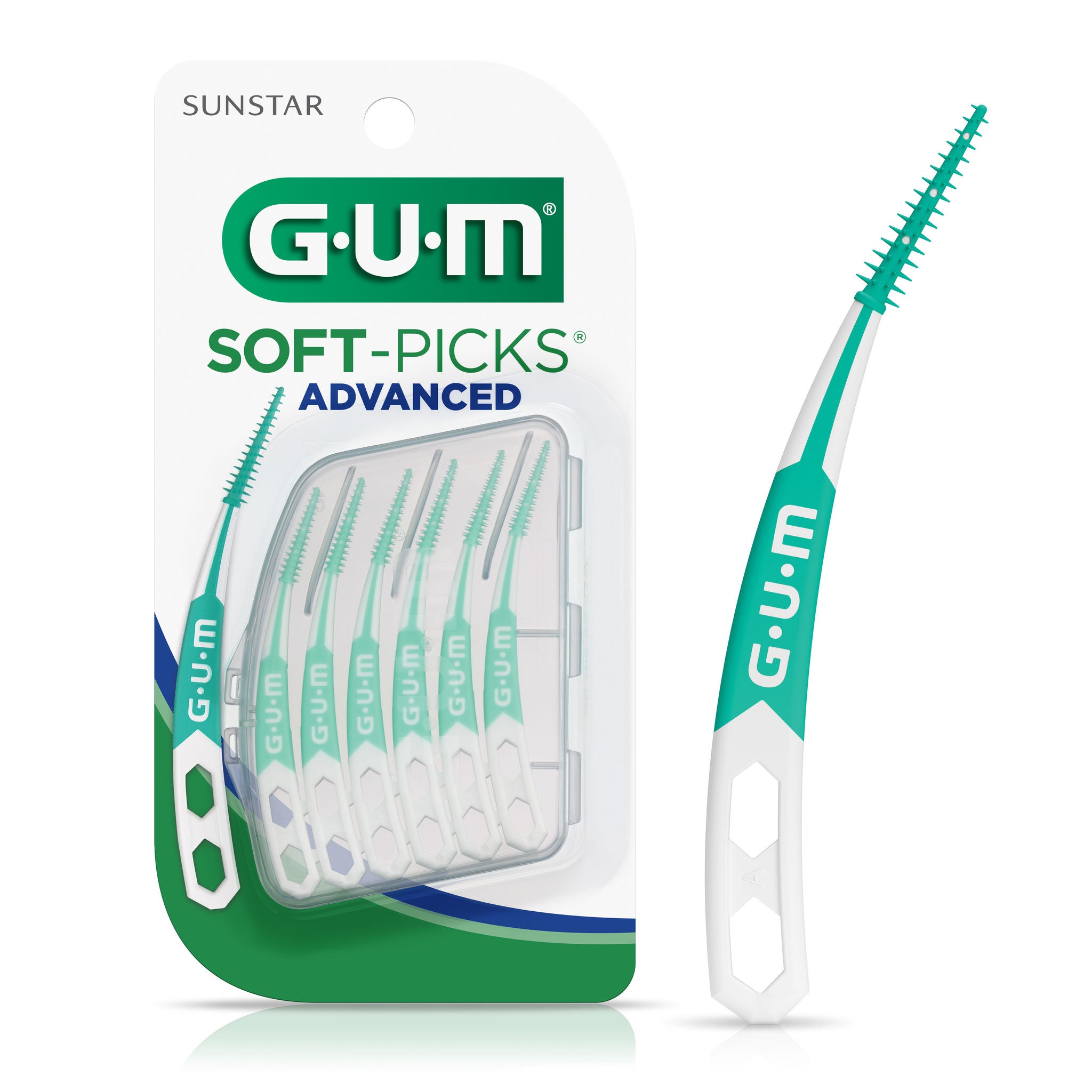
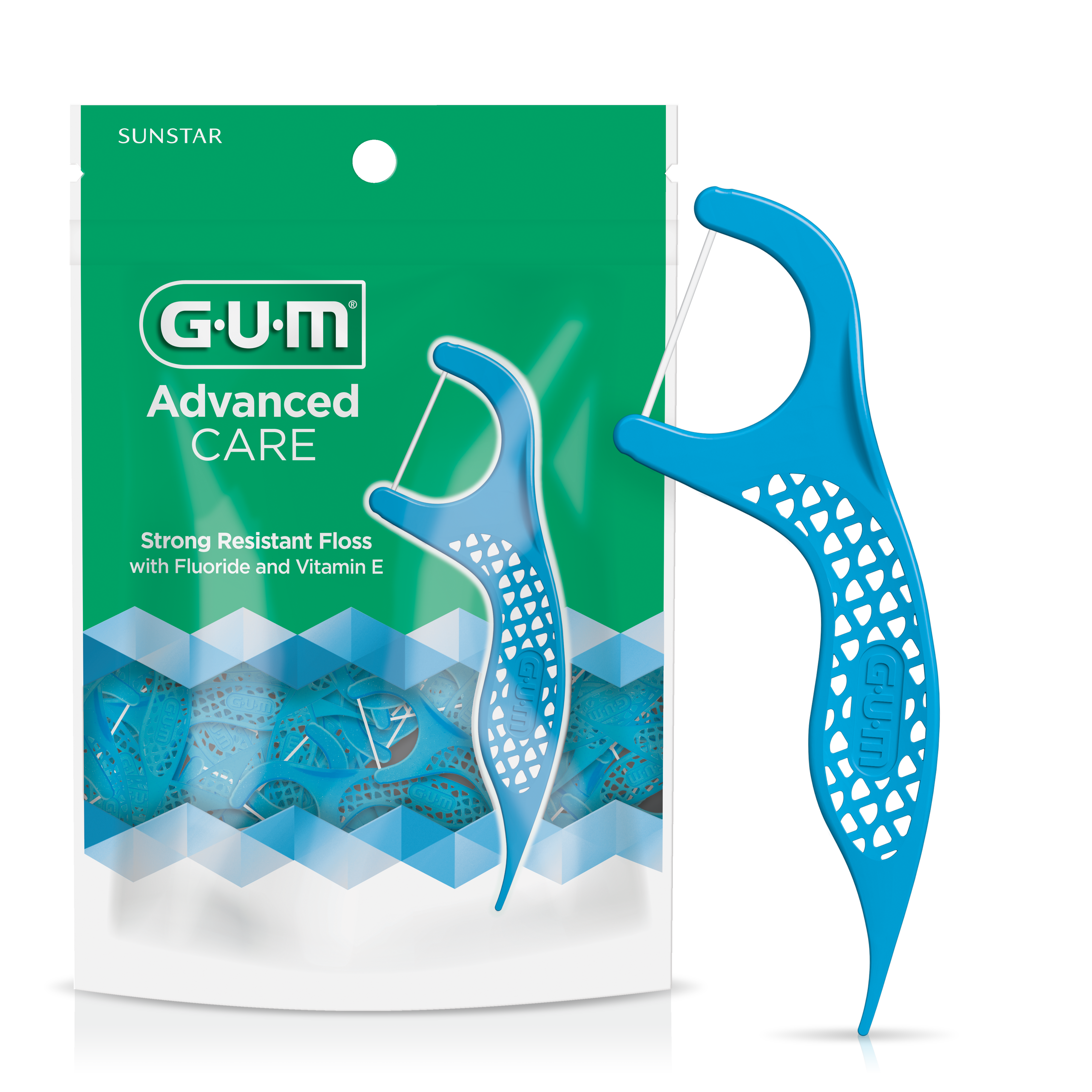
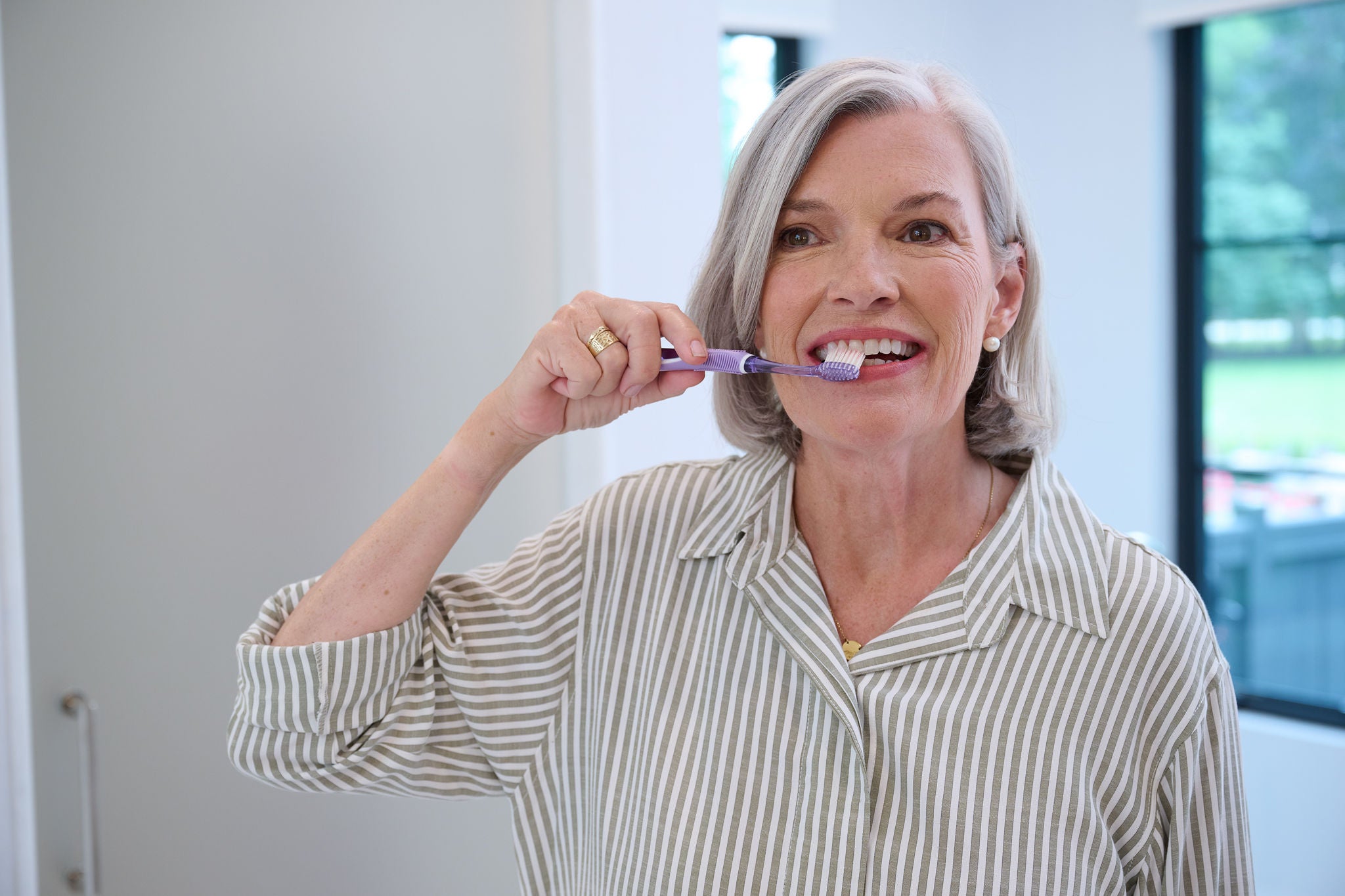
Even while healing, it's important to prevent bacteria from collecting between teeth. Flexible interdental cleaners can gently sweep away buildup without scraping or poking. For very tight spaces, floss or a water-based interdental cleaner can be a comfortable alternative.

Rinse with care
If recommended by your dental team, rinse gently with warm salt water to calm the gums and reduce swelling. Skip vigorous swishing, spitting, or using straws, as those motions can disturb the treated areas and slow recovery.
Stay consistent, not forceful
Healing gums respond best to regular, gentle care. Overly firm brushing or flossing can reopen tissue and delay recovery. Think of this stage as protecting the progress you've made-small, careful steps each day help your gums heal securely and stay comfortable.
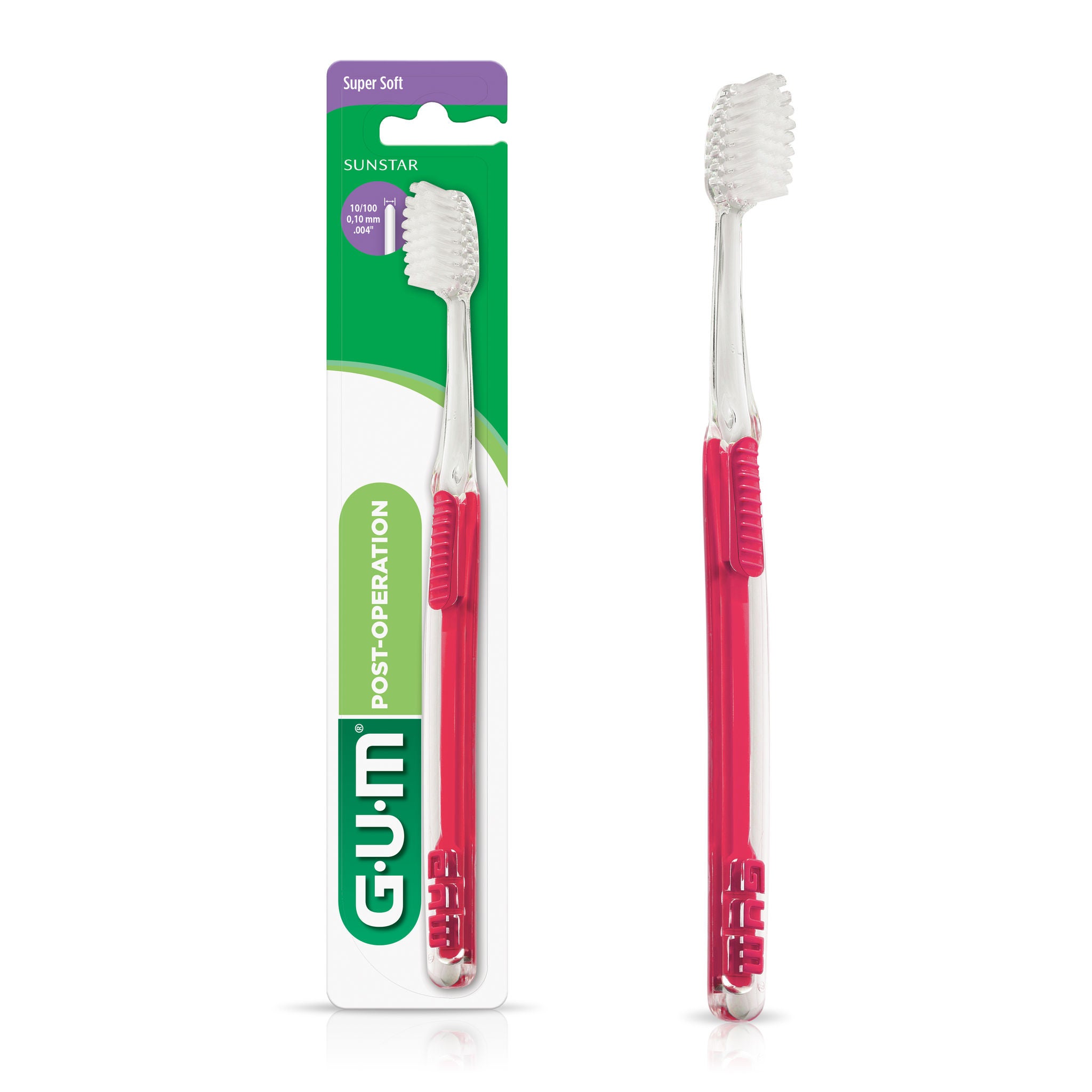
With steady, gentle care and supportive tools like GUM® Post-Operation Toothbrush and Soft-Picks® Advanced dental picks, you can keep your mouth clean and promote faster, healthier recovery after treatment.
Support Your Long-Term Gum Health
Healing after a deep cleaning is an important milestone, and also the beginning of a new routine. Once your gums have recovered, ongoing care helps preserve those results and prevents inflammation from returning.
Keep your gums healthy for the long term with GUM® oral care products.